One question keeps coming up: what’s next?
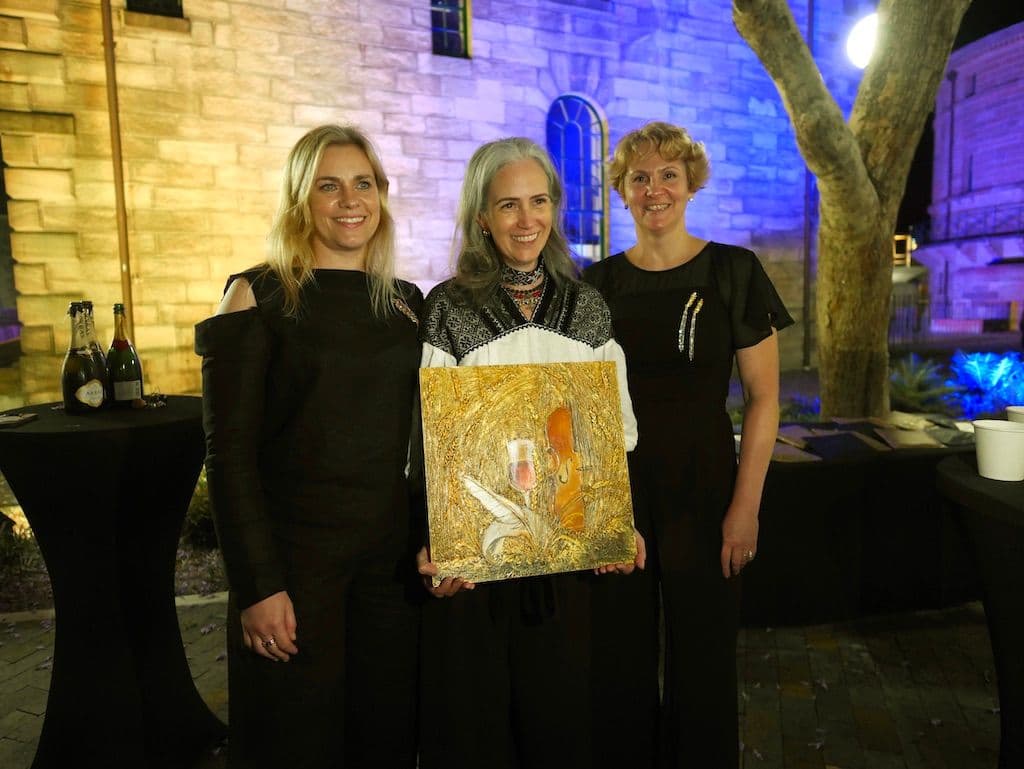
I’m delighted to share that my work has been selected as a finalist in the Hunters Hill Art Prize 2026. It’s an honour to be part of this exhibition alongside a strong group of selected artists, all coming together in the beautiful Hunters Hill Town Hall.
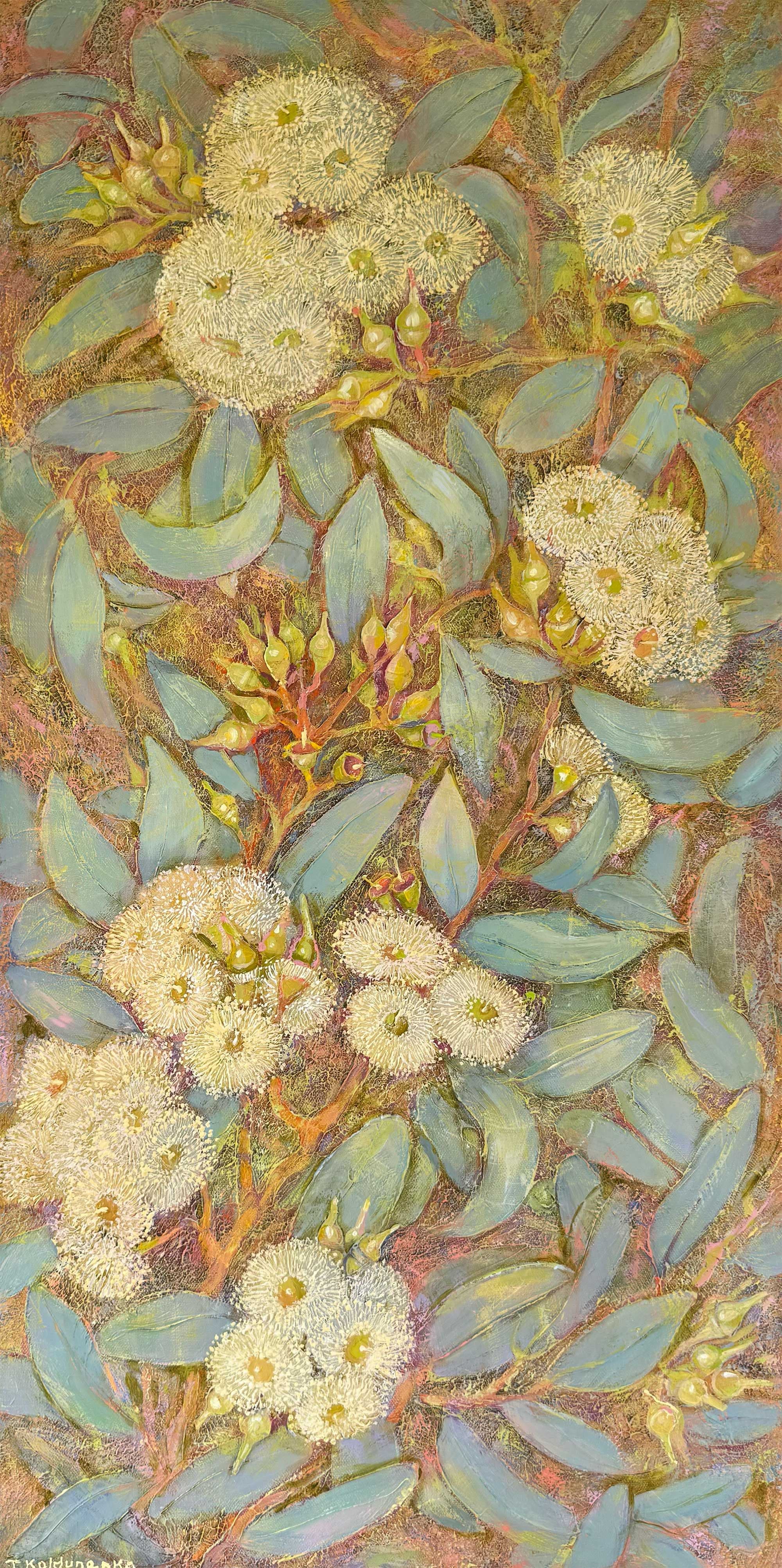
The work I’ve entered, Soft Country — Eucalyptus Socialis, continues my exploration of Australian native trees — their presence, individuality, and the subtle complexity of their colour and form.
If you’d like to see it in person, here are the exhibition details:
Buyers’ Preview
Thursday 21 May 2026, 7pm – 8pm
Canapés and drinks available
Opening Night
Friday 22 May 2026, 6pm – 8pm
Canapés and drinks available
General Exhibition
Saturday 23 May – Sunday 31 May 2026
10am – 4pm daily
Location
Hunters Hill Town Hall
22 Alexandra Street
Hunters Hill NSW 2110
Tickets will be available online closer to the date trough Hunters Hill website.
I hope to see you there.
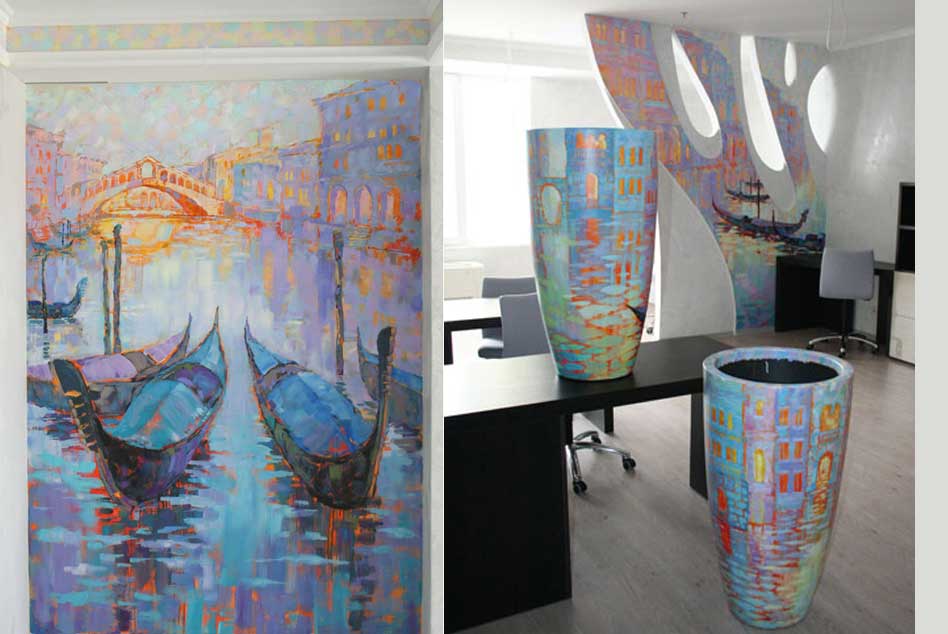
Murals are a powerful way to transform an interior, creating an immediate emotional response and a strong sense of place. Whether subtle and atmospheric or bold and expressive, a mural can change the mood of a room instantly, making it feel more connected, considered, and complete. As a Sydney-based artist and designer, I specialise in creating custom interior murals that integrate seamlessly with residential and commercial spaces. Unlike external murals, interior murals become part of daily life — interacting with natural light, architecture, furniture, and textures. A well-designed mural unites colours, materials, and styles, acting as a visual anchor for the entire interior. I work exclusively with professional, art-quality acrylic paints, chosen for their durability, colour stability, and practicality. Acrylic paint is washable and long-lasting, making it ideal for interiors where both beauty and functionality matter. With correct surface preparation and finishing, an interior mural remains vibrant and resilient for many years. Finish plays a crucial role in the final result. When working with acrylics, it is important not to mix matte and glossy surfaces unintentionally, as this can disrupt the visual harmony of the artwork. A consistent finish ensures the mural reads as a cohesive piece rather than fragmented elements reflecting light differently. An interior mural is often the final design layer — the element that brings everything together. It can soften a minimalist space, add depth to neutral interiors, or create a quiet focal point that enhances the character of a room. Thoughtfully created, a mural does not overpower an interior; it completes it. If you are looking for a custom mural artist in Sydney to create a unique, site-specific artwork for your interior, I welcome collaborations with homeowners, interior designers, architects, and commercial clients.