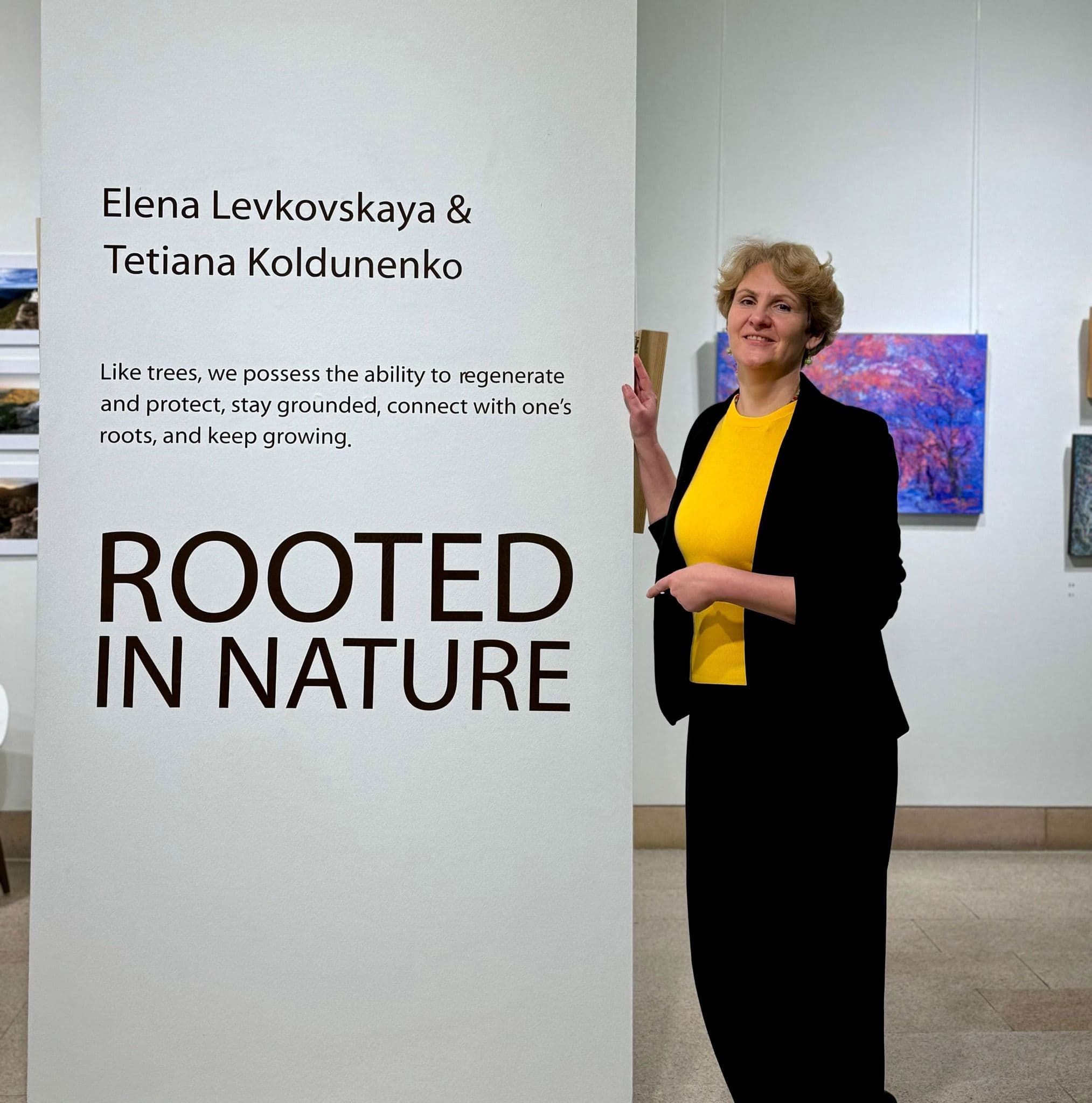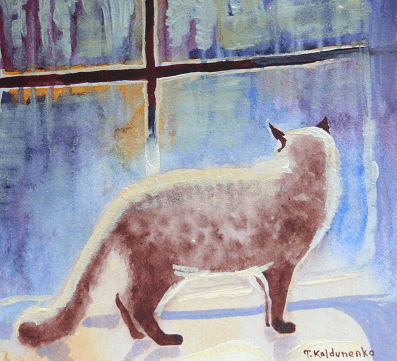
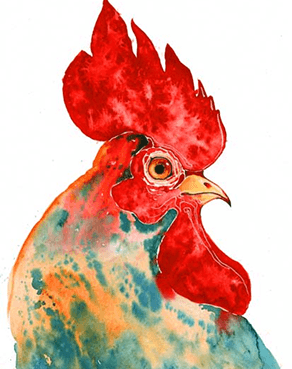
In the fifth grade, I first tried watercolour painting—and it instantly became a source of immense joy. The way the pigments danced and blended on paper felt like magic. I discovered that watercolours have a mind of their own: their fluidity and unpredictability invite collaboration rather than control.
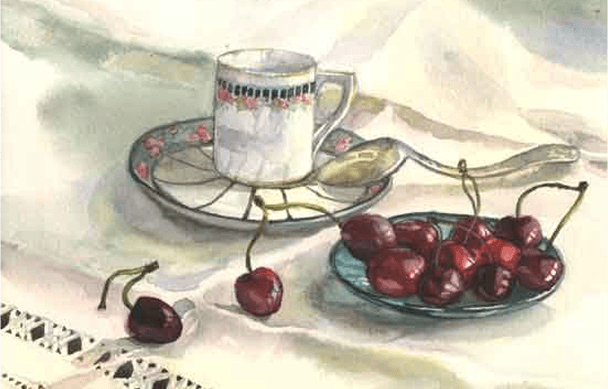
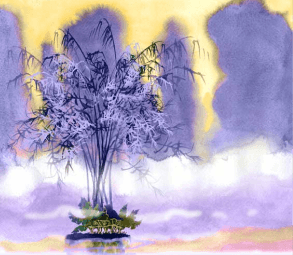
Over the years, this dialogue between brush, water, and pigment has stayed with me. Every time I pick up a watercolour brush, I’m reminded of that first spark of discovery in year 5—the joy of watching colours flow freely, forming something beautiful and unexpected.
My journey with art didn’t stop there. I’ve dedicated my entire life to studying and working with various materials—acrylics, oils, texture pastes, and more—each offering its own challenges and rewards.
Yet watercolour remains my first love, the medium that taught me to trust the process and embrace the beauty of imperfection.
Even today, that simple act of dipping the brush in water brings not only pigments to paper but also a flood of memories, a quiet sense of gratitude, and a profound satisfaction that has endured since those early school days.
10 July 2026
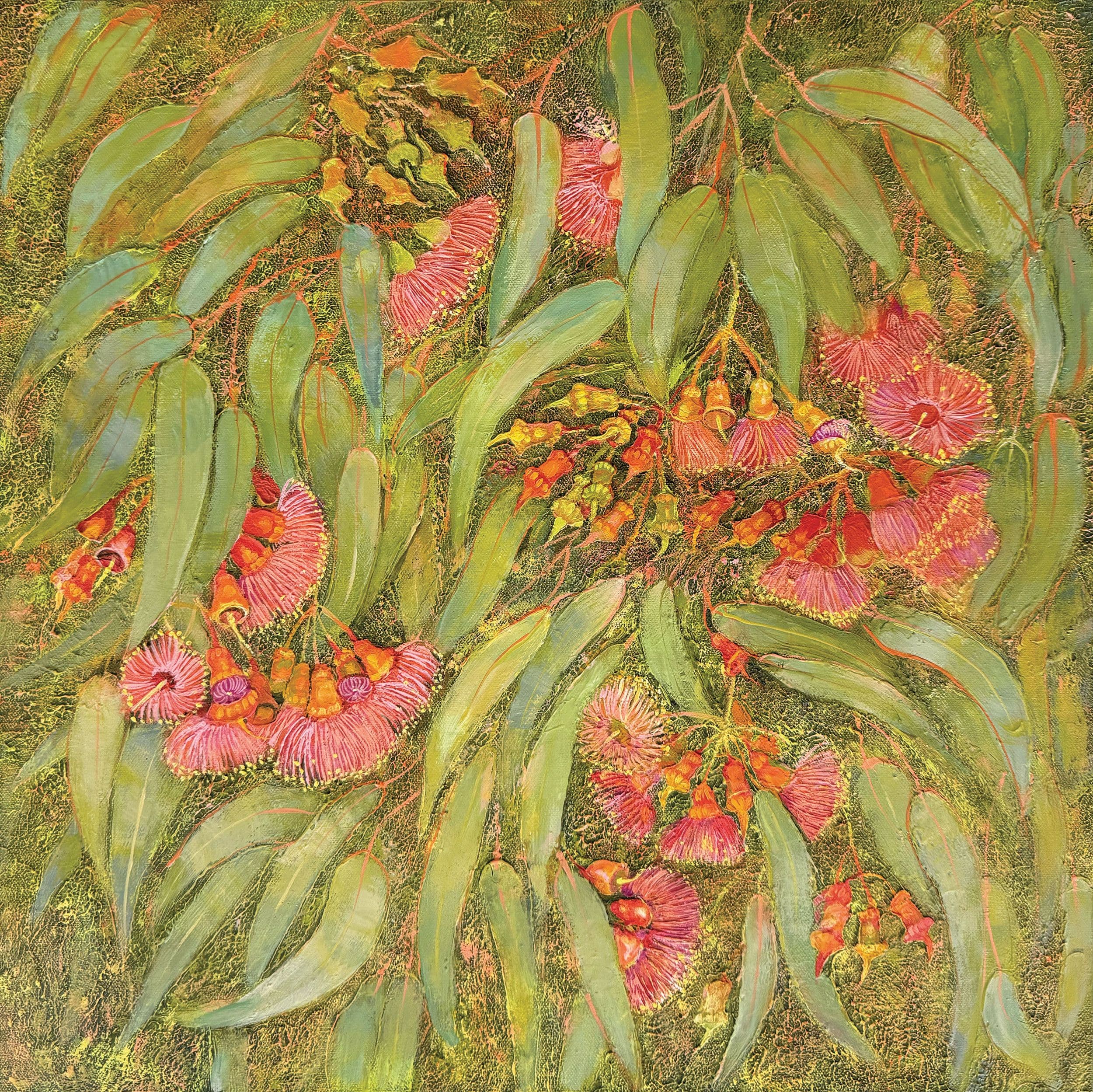
I am delighted to share that two of my artworks have been selected for The Language of Flowers, a curated group exhibition at & Something Else, a new contemporary gallery in the heart of Manly on Sydney's Northern Beaches. I am grateful for the opportunity to exhibit alongside a talented group of Australian artists. The Language of Flowers celebrates the beauty and symbolism of flowers, inviting to explore the relationship between humanity and the natural world through botanical forms. The exhibition brings together diverse artistic approaches inspired by growth, renewal, transformation, and the fleeting beauty of flowering life. As an artist, nature has always been at the heart of my practice. I am excited to contribute to this conversation through my selected works. See more here: https://www.andsomethingelse.com.au/language-of-flowers The Language of Flowers Exhibition Dates: 10 July – 2 August 2026
1 April 2026
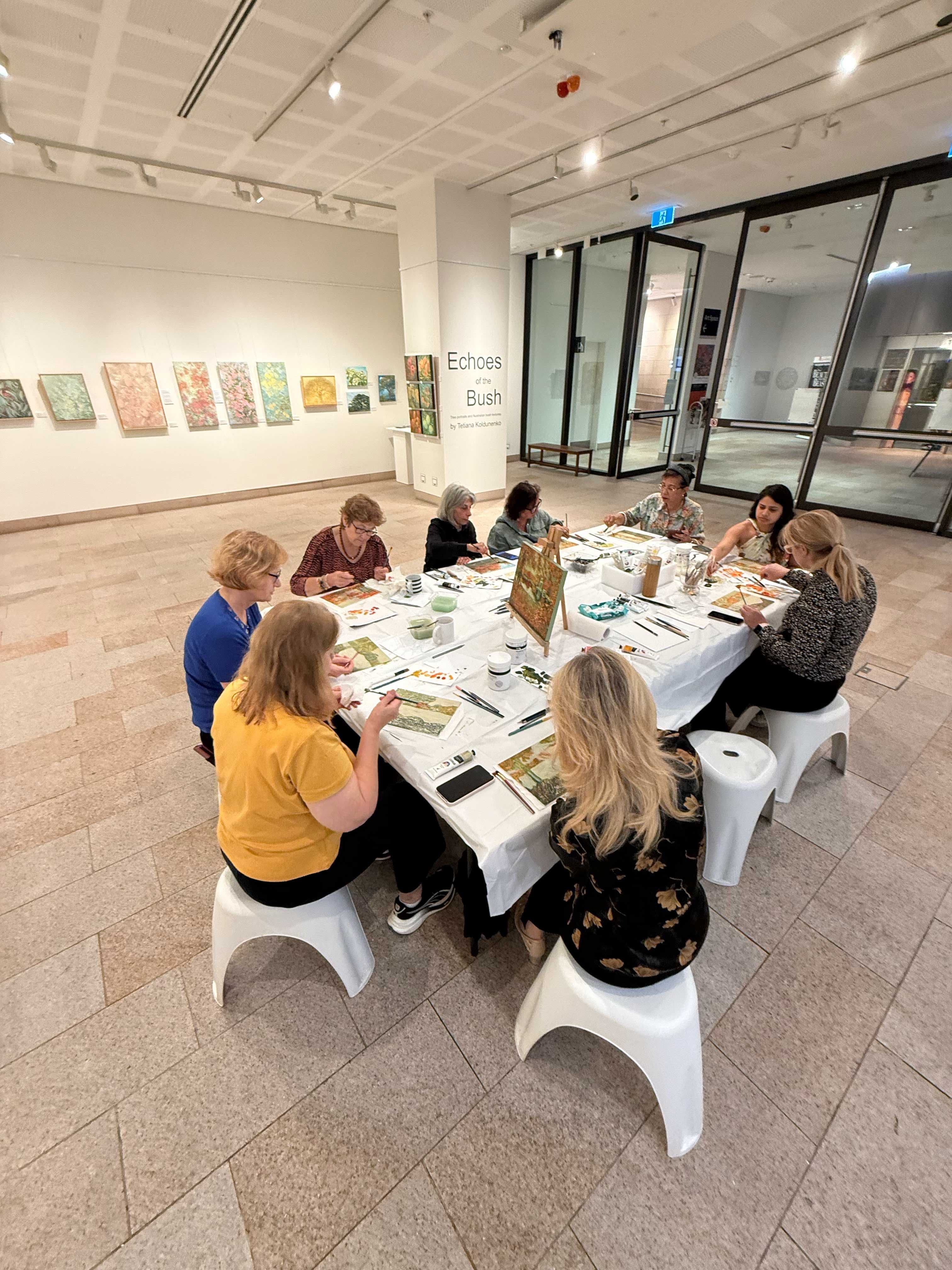
A big well done to everyone who joined the Autumn in Textures & Colours workshop 🍂 It was such a wonderful creative session to share together. If you missed this one — let me know, I’m already planning the next workshop!