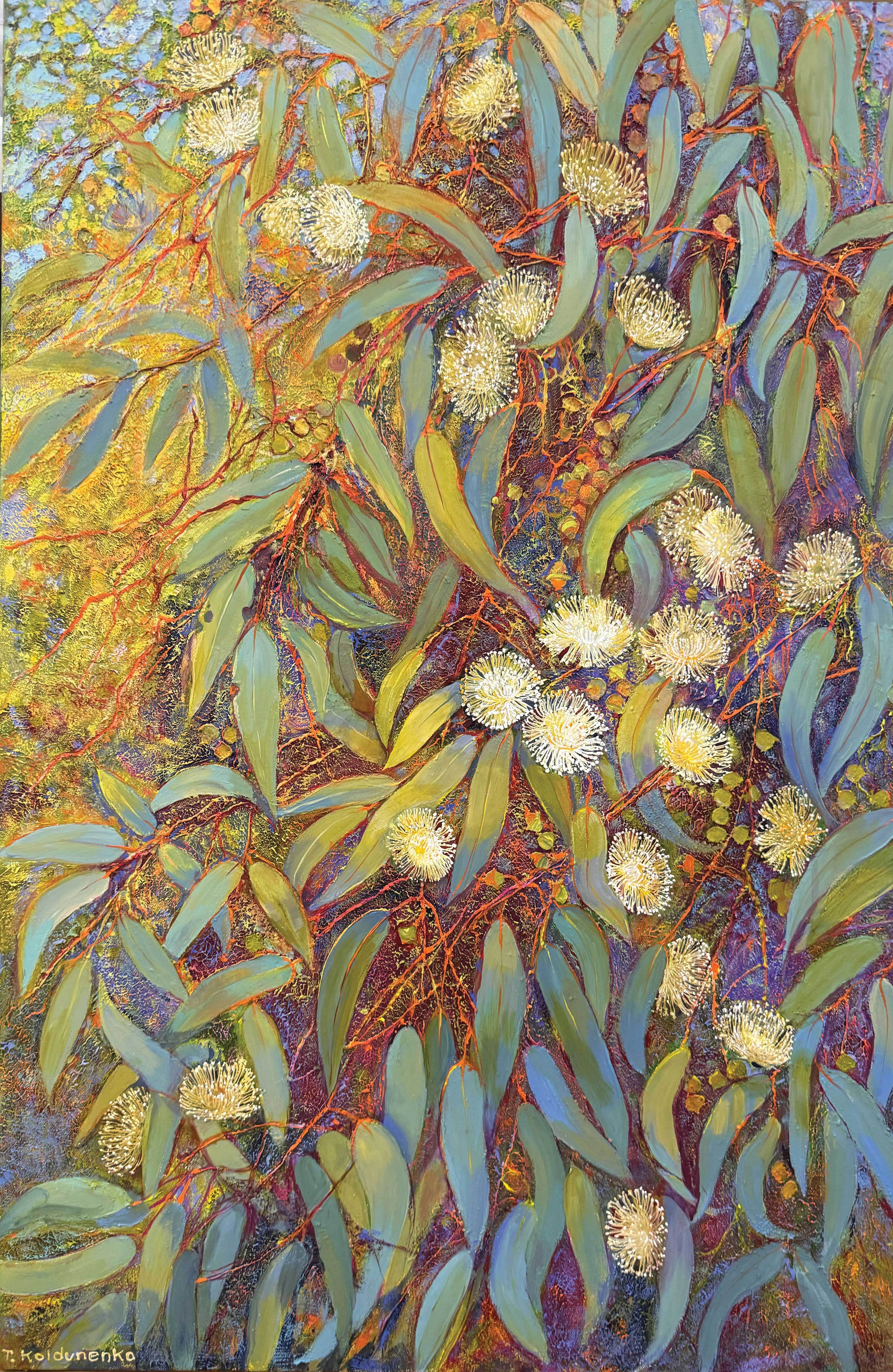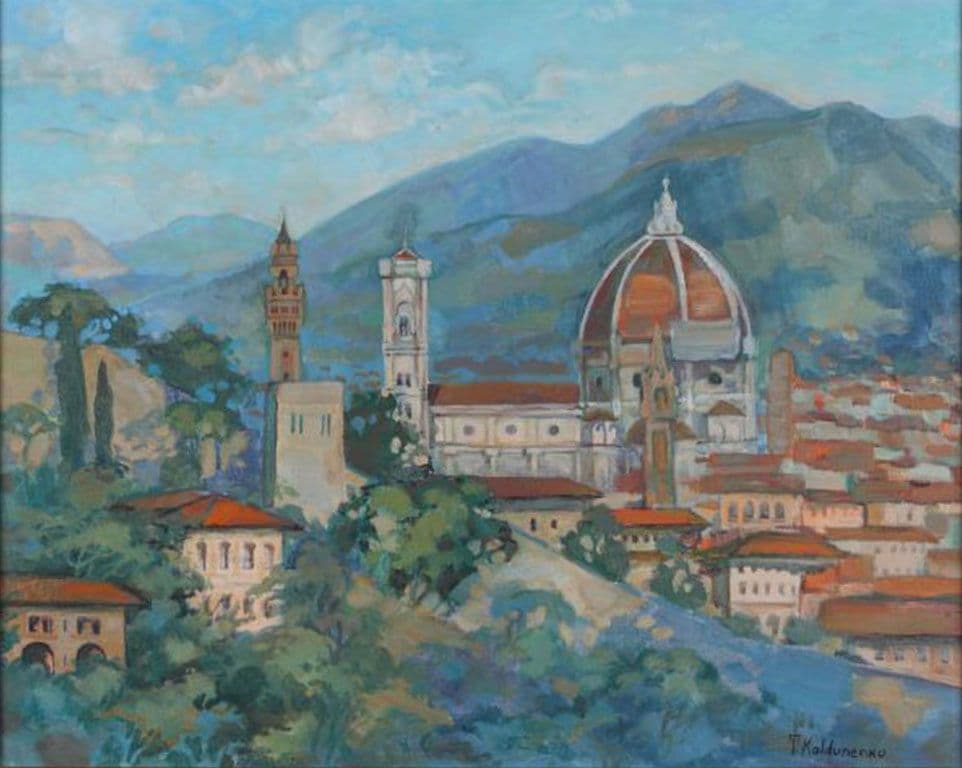
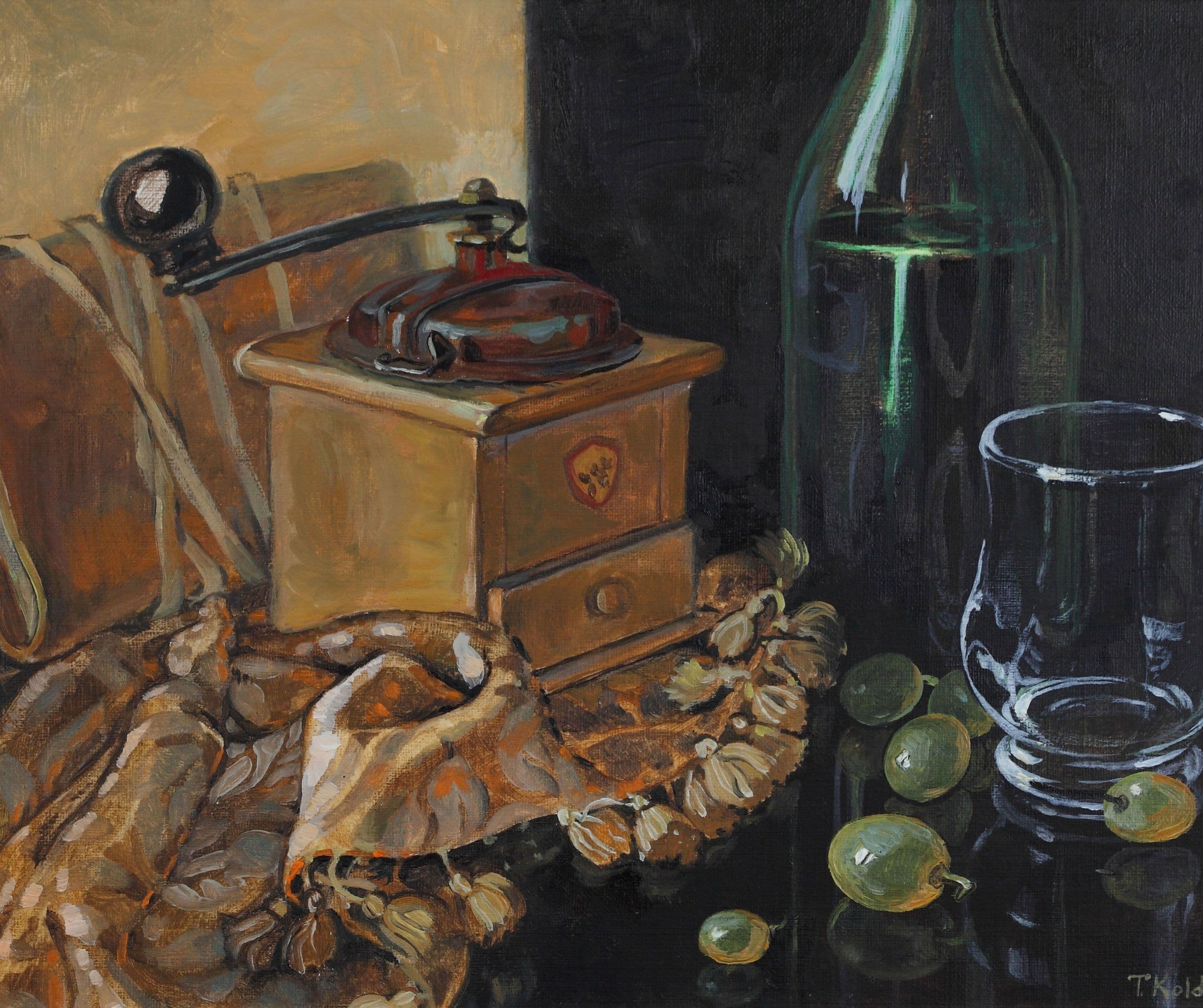
My journey with oil painting began in year 7, when I was studying at the State Secondary Art School in Kyiv, Ukraine — a highly selective school that required passing three entrance exams in painting, drawing, and composition. It was there that we transitioned from watercolours and gouache to the timeless medium of oils.
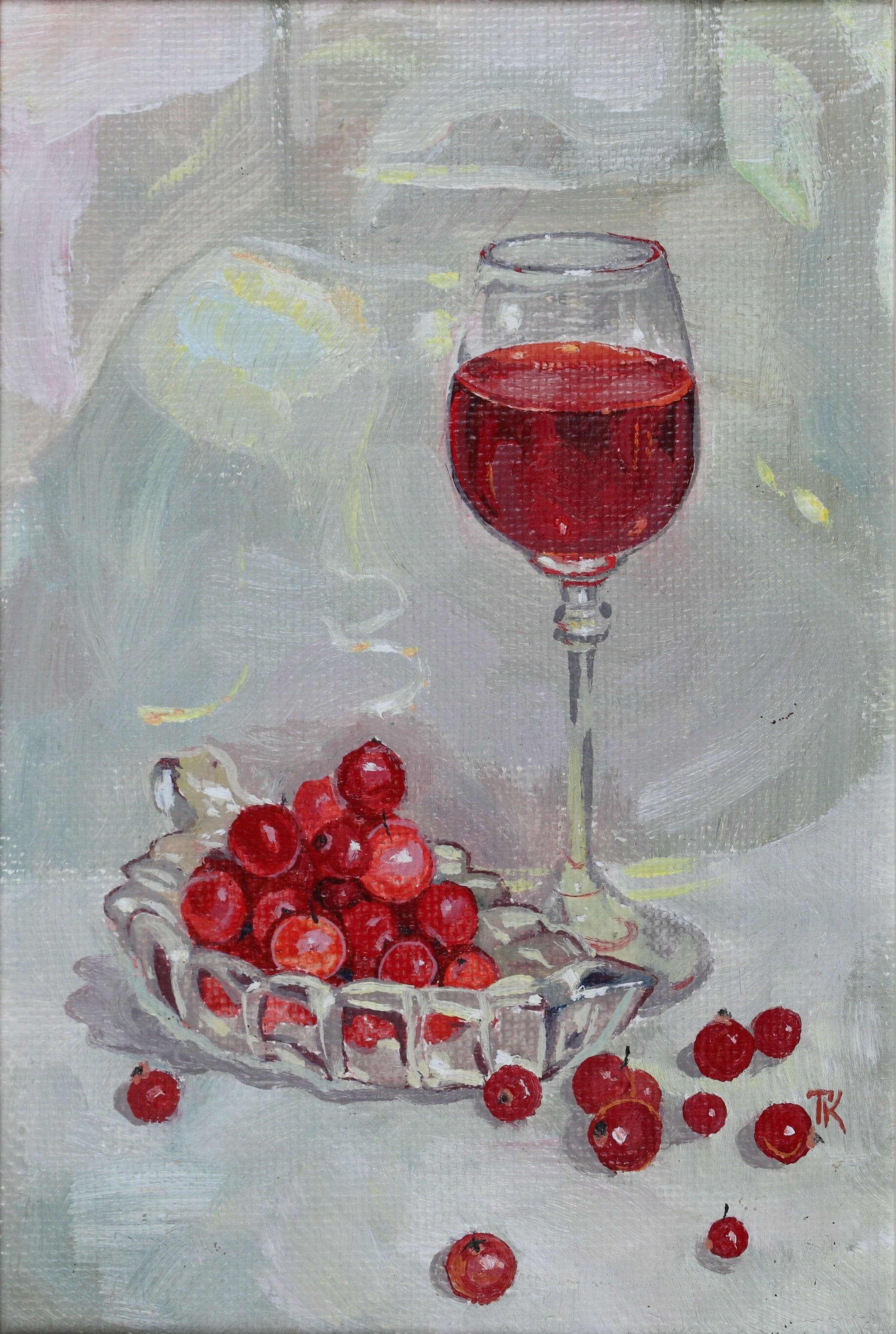
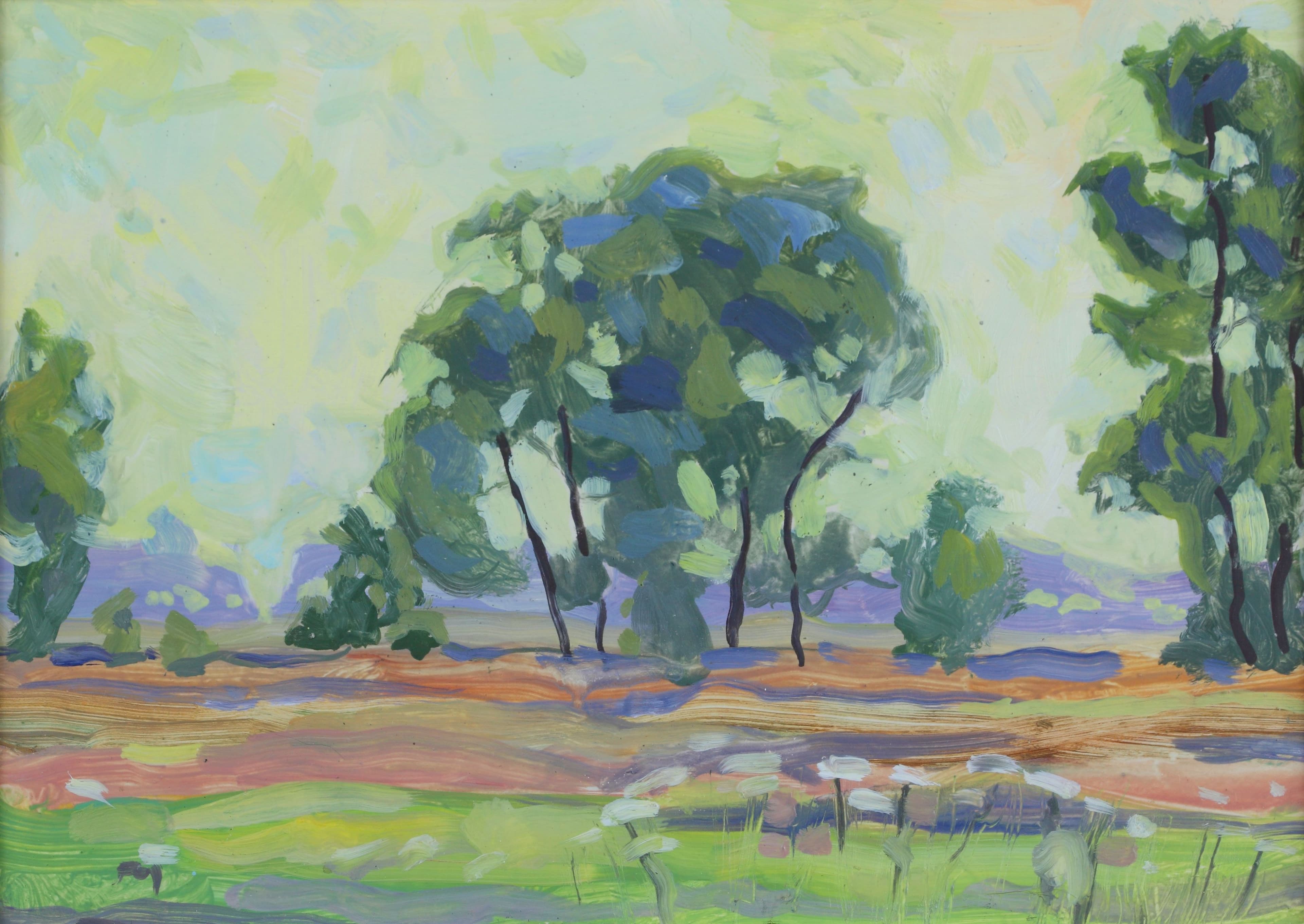
I’ve always loved this classical medium. Oils have a long and rich tradition in fine art, and I’ve admired their depth, luminosity, and the way colours blend so seamlessly on the canvas. Working with oils teaches patience and reflection — they dry slowly, giving time to build layers with care and intention.
I feel incredibly fortunate to have received proper academic training in the classical use of oils, alongside in-depth knowledge of anatomy, linear perspective, perception principles, and art history. That foundation continues to shape how I see and create today, allowing me to appreciate not only the technique but also the discipline and history behind every brushstroke.
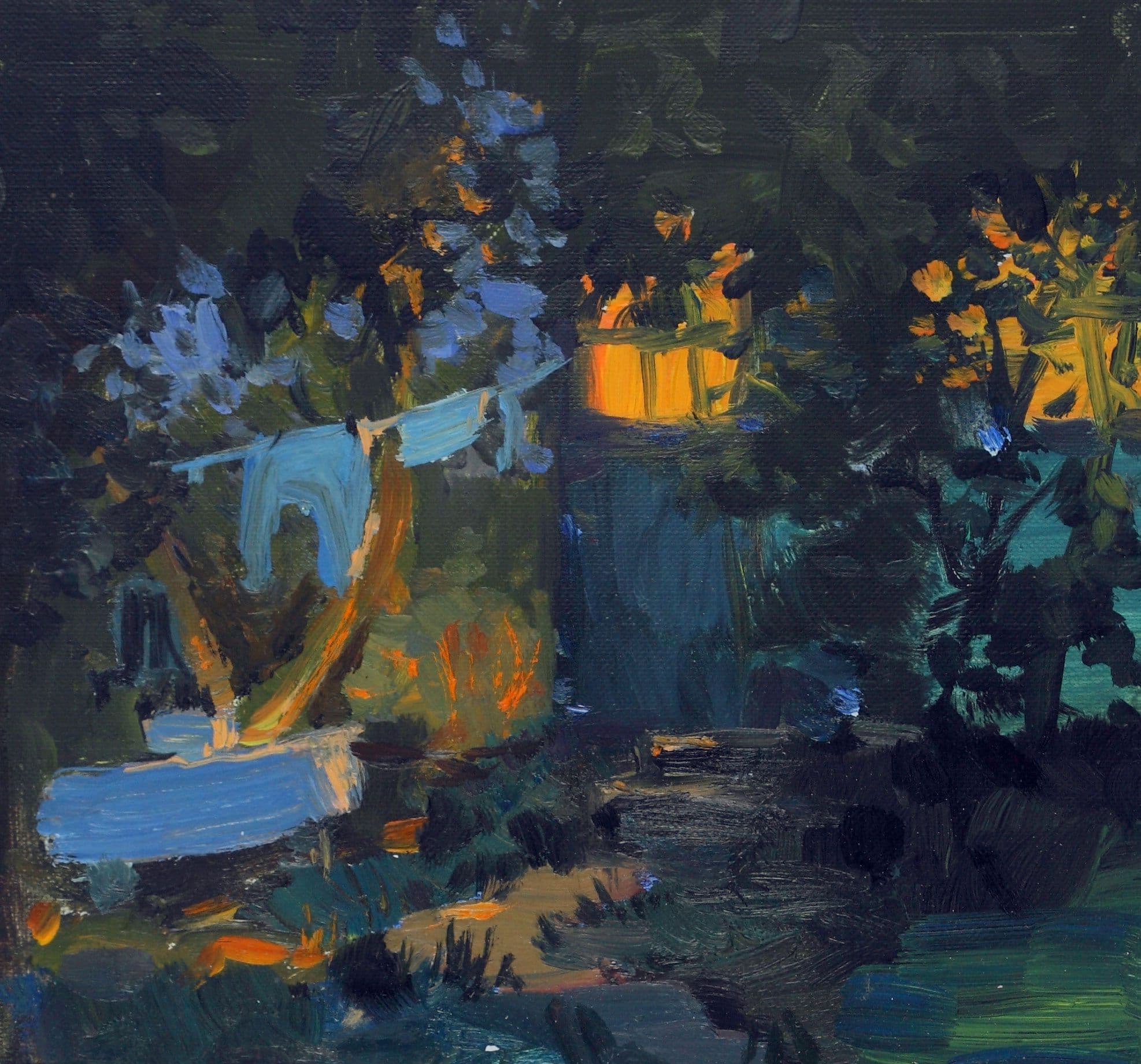
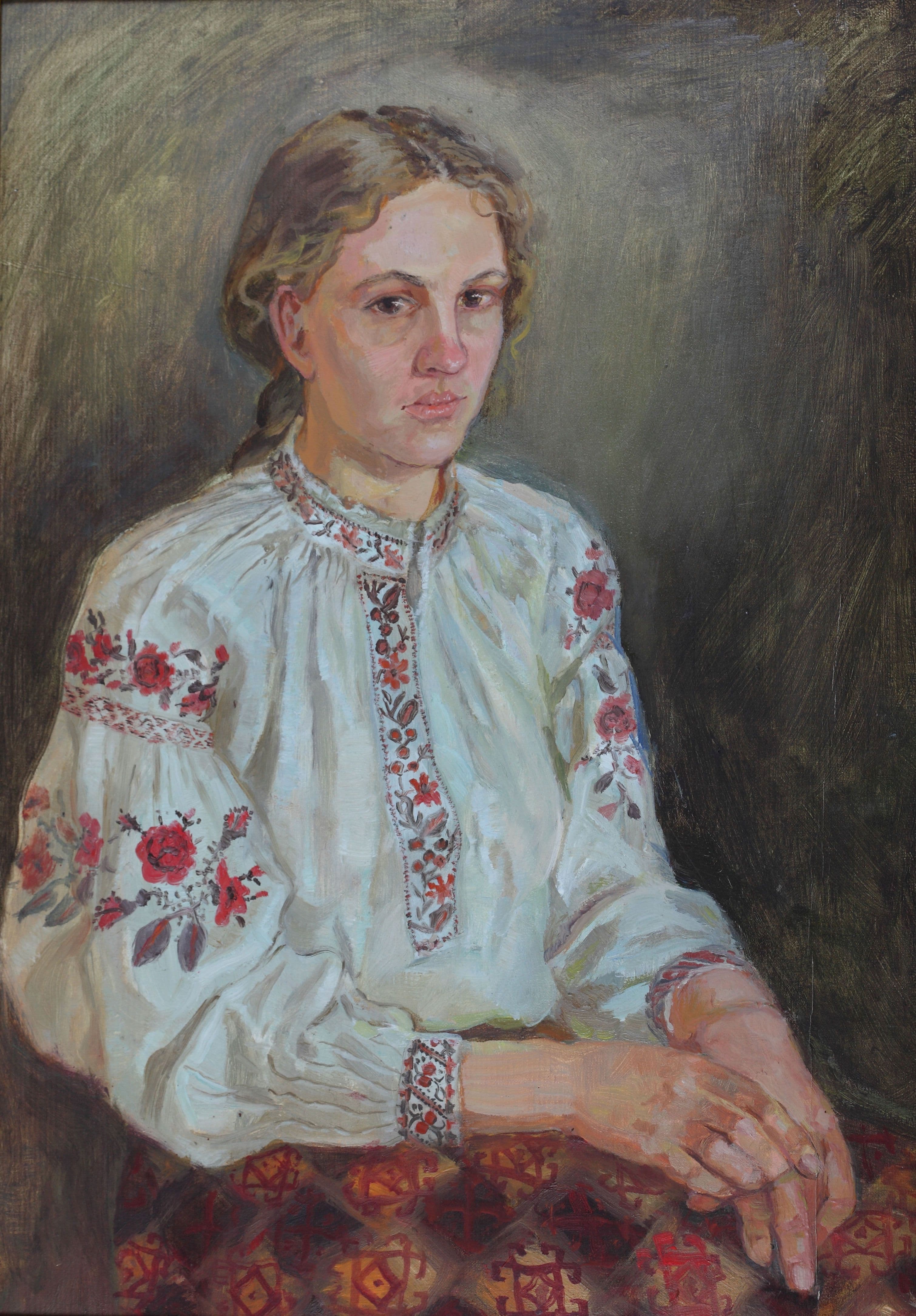
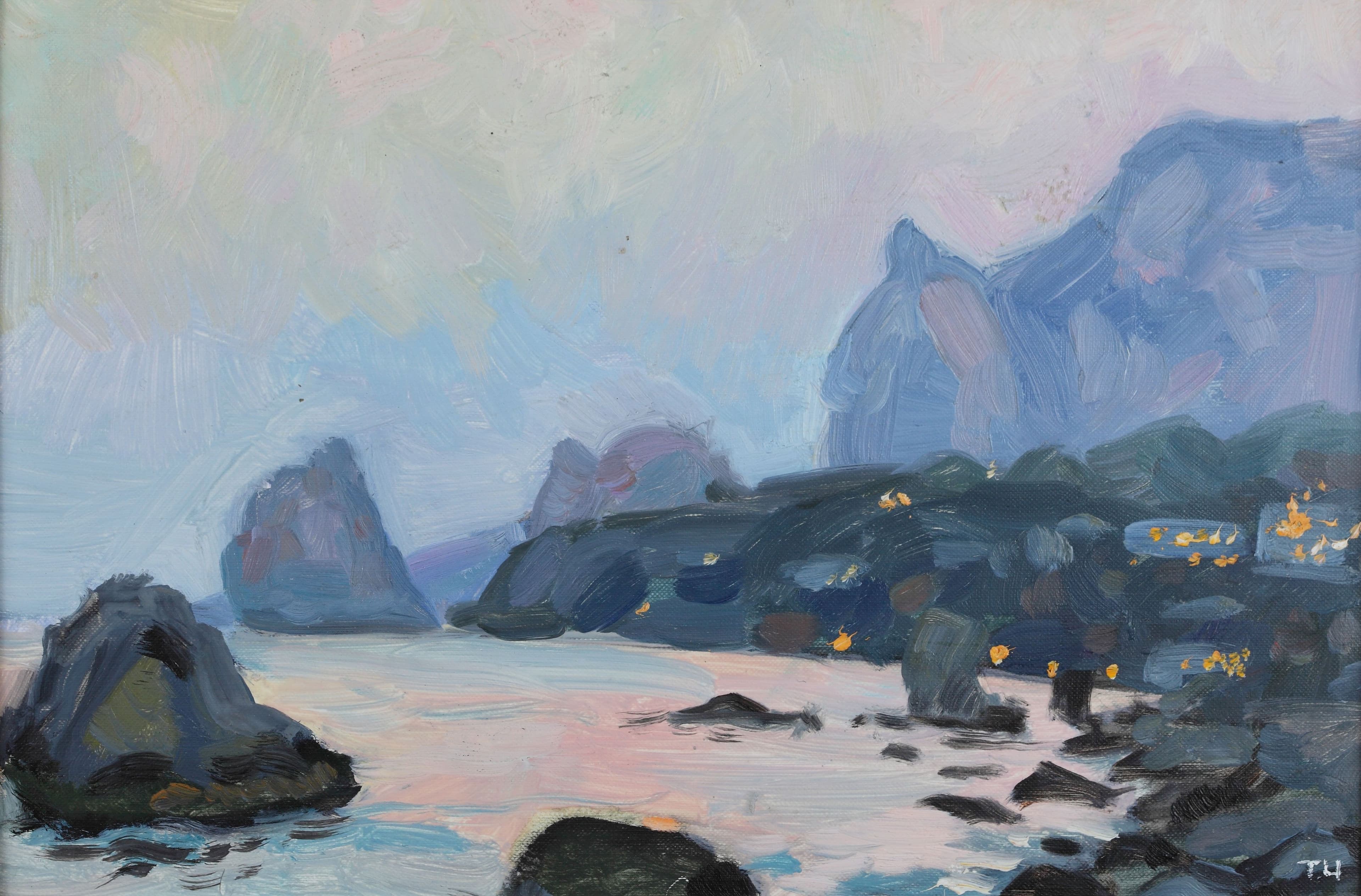
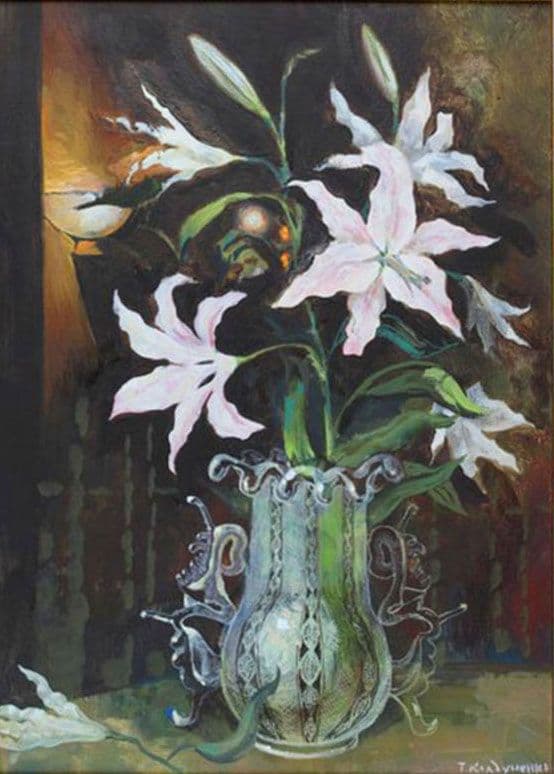
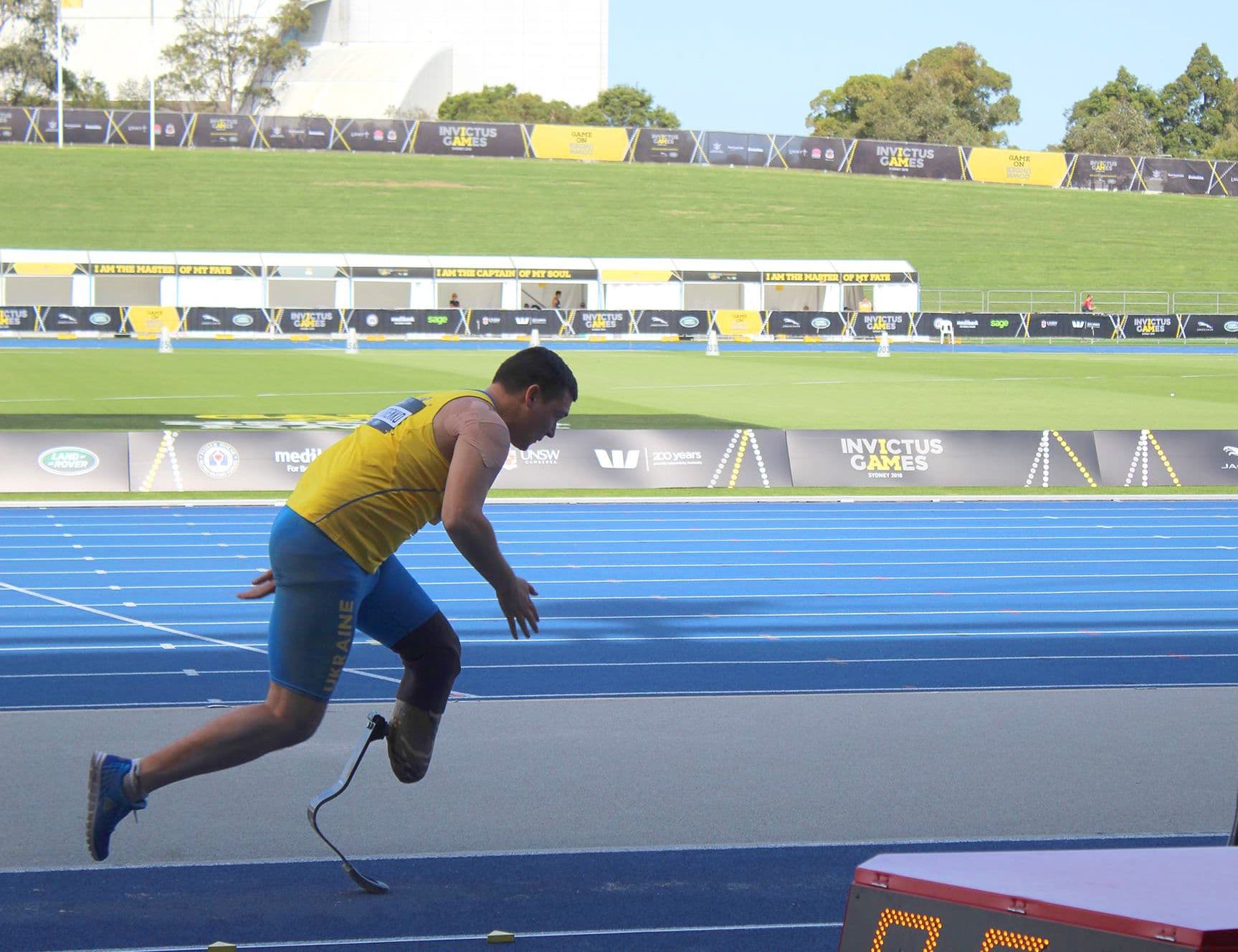
Photography is another way I tell stories. Through the lens, I focus on capturing the essence of a moment — and quite often, that essence is found in something simple and authentic, like a genuine smile. For me, photography is not about staging perfection, but about conveying mood, feeling, and the small details that make each moment distinct. My approach is grounded in clarity and intention: clean, uncluttered compositions mood-driven visual storytelling thoughtful styling, particularly in portrait work I enjoy creating portraits that feel natural, balanced, and well composed, as well as documenting events in a way that is honest, engaging, and true to the atmosphere of the moment. Whether photographing a performance, an event, or an individual, my focus remains consistent — imagery that communicates clearly and carries emotional weight.
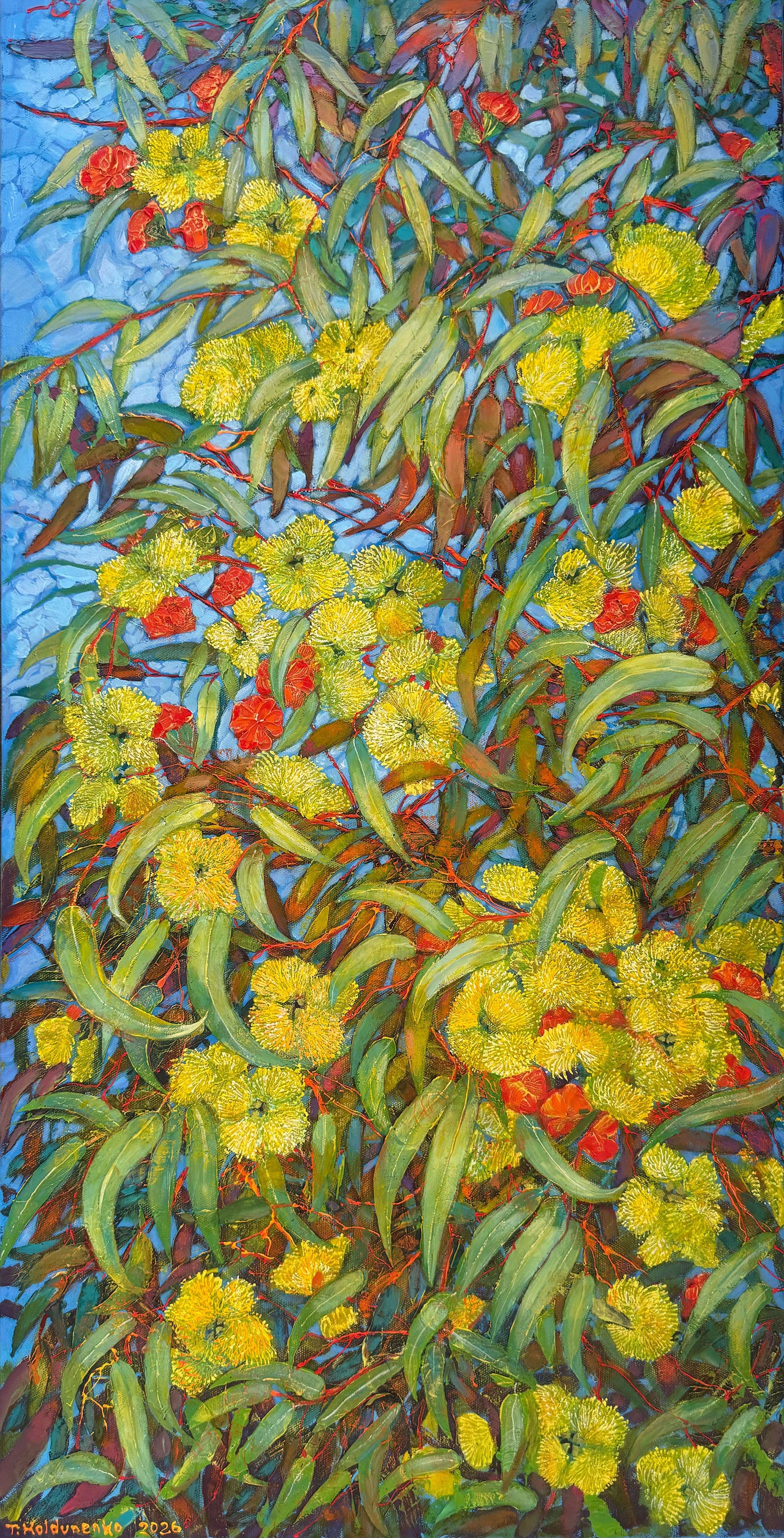
In August I am exhibiting my work in four group exhibitions across Sydney and one in Brisbane! If you're need to recharge your creative batteries this month, I'd love for you to visit one (or more!) of these exhibitions. Admissions are free. Throughout the month, you’ll be able to see my paintings in: Freedom and Sustainability 3–20 August 2026 The Gallery Ramp Space St Ives Village 166 Mona Vale Road, St Ives NSW 2075 The Winter Edit