Books have always felt magical to me. Unlike social media, they don’t disappear into a feed — they stay in your hands, on your shelf, and in your life. A book captures what’s important and preserves it for generations. And to make that experience meaningful, every detail matters.
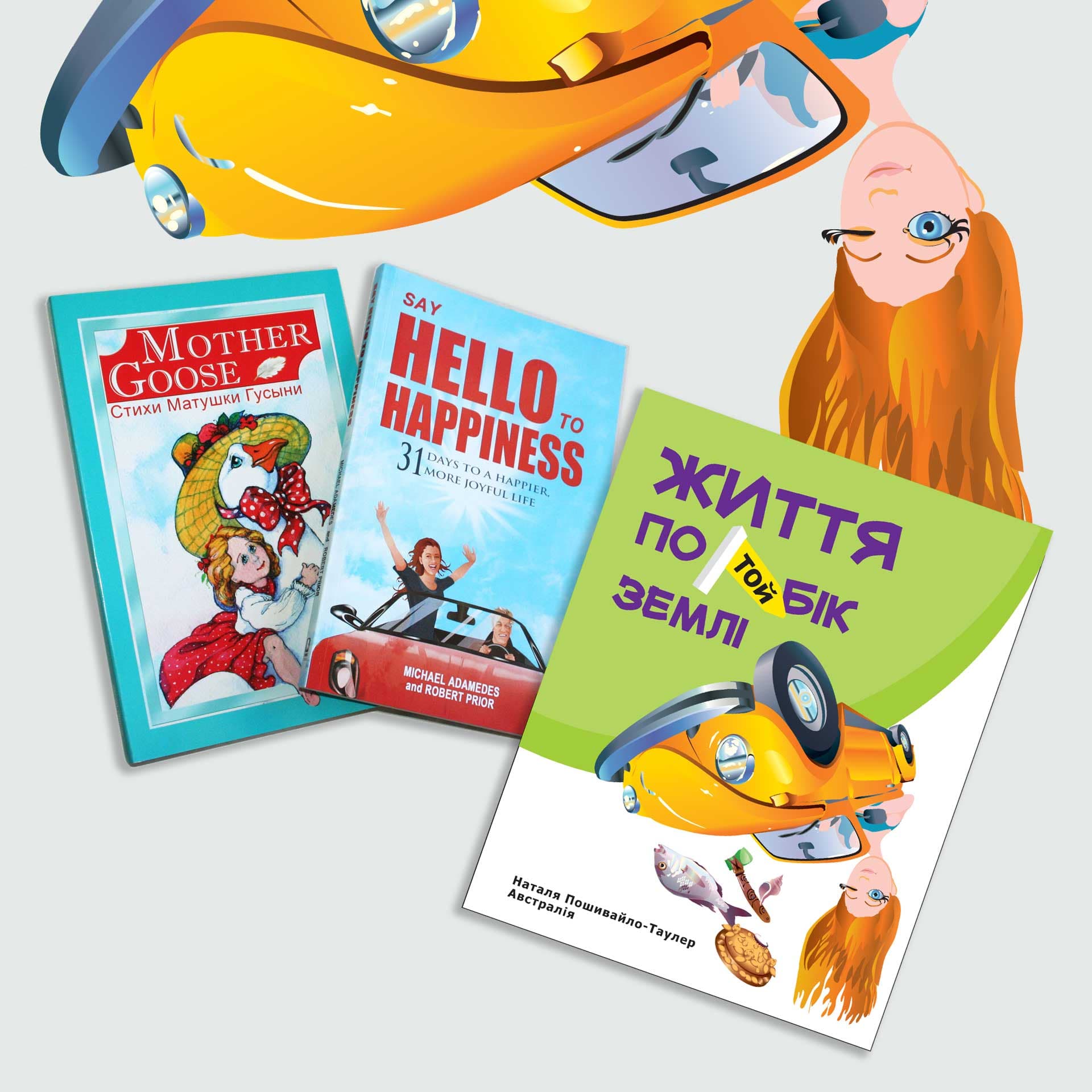
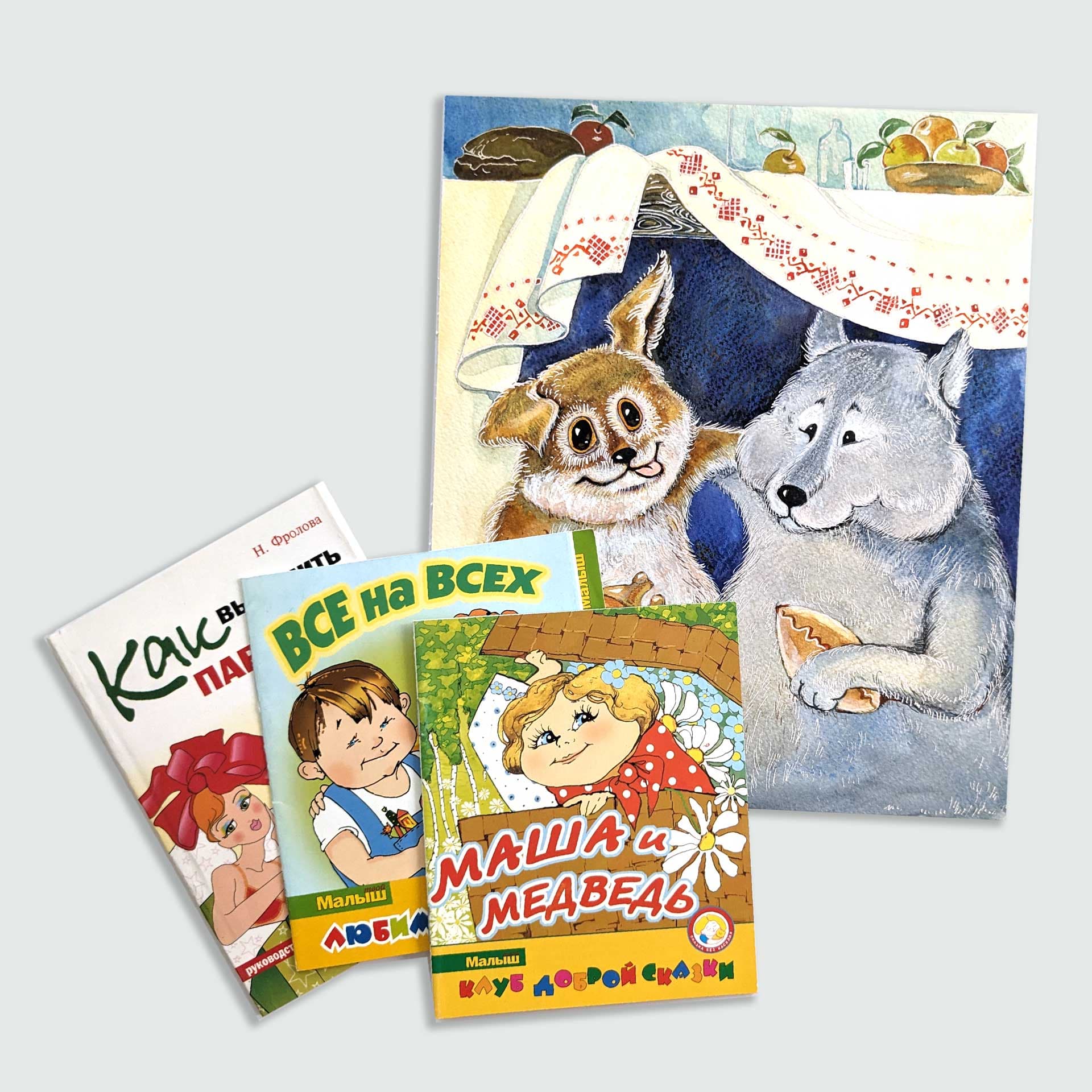
Over the years, I’ve worked on many publications — sometimes creating the layout, other times designing covers, illustrations, or managing the entire visual direction.
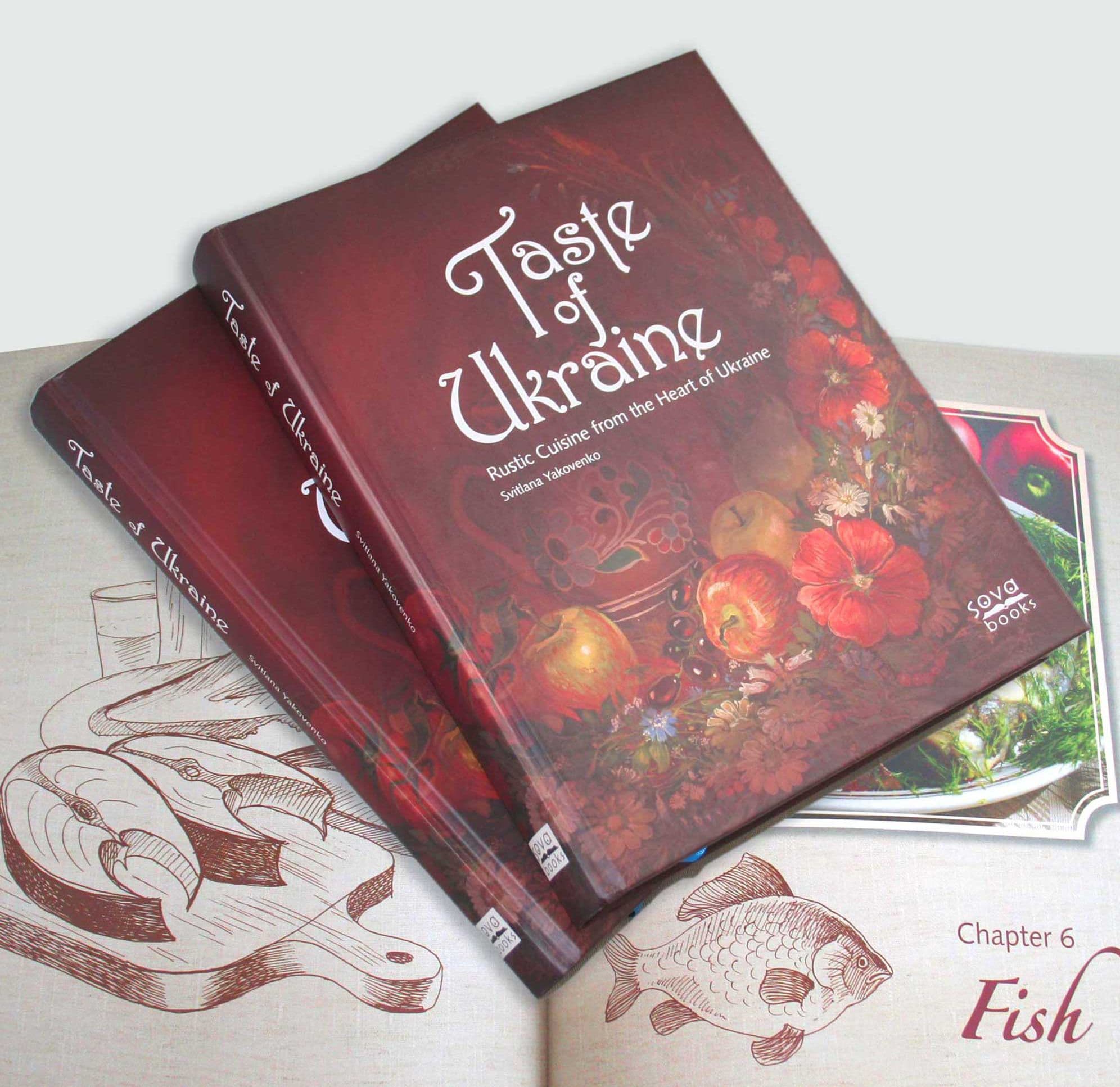
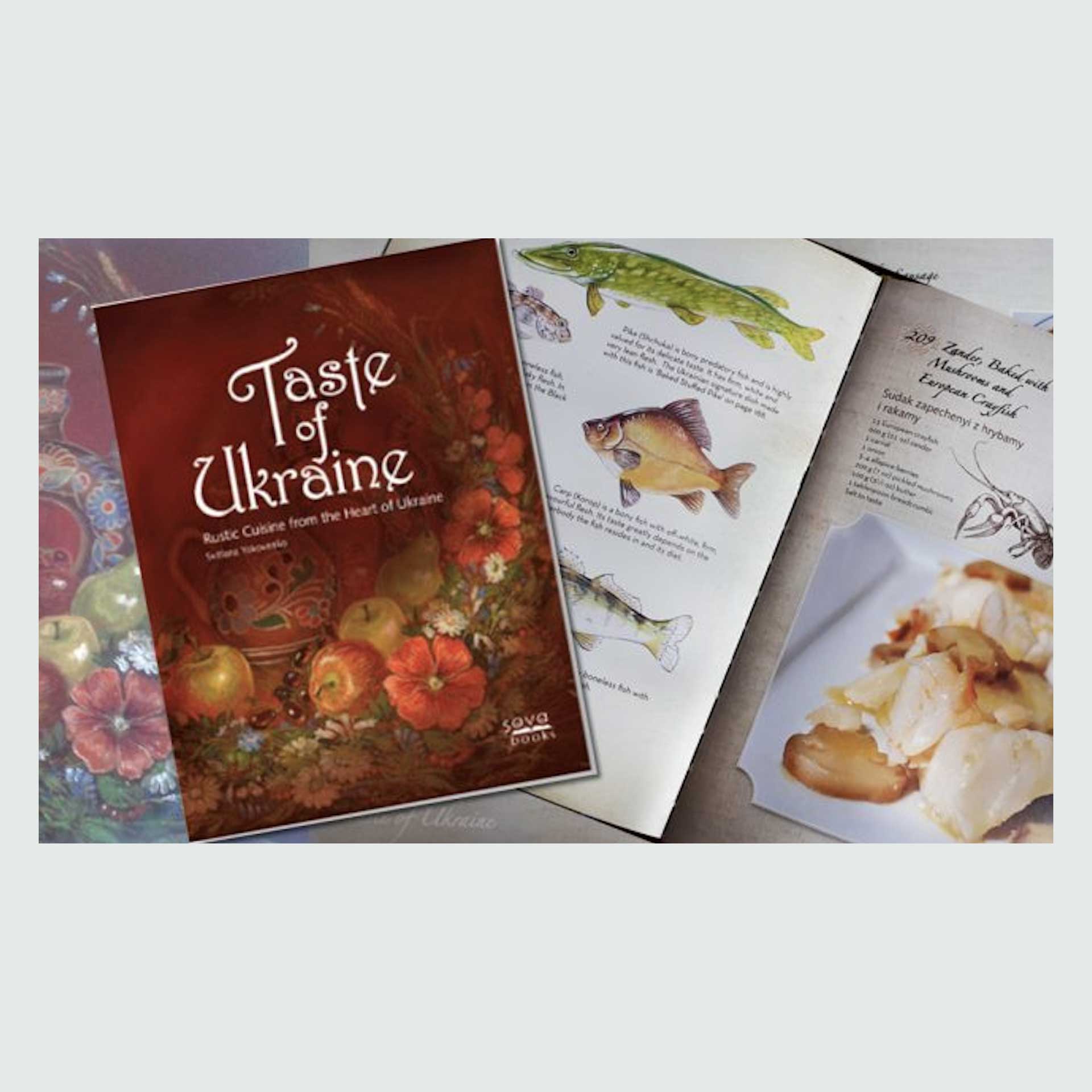
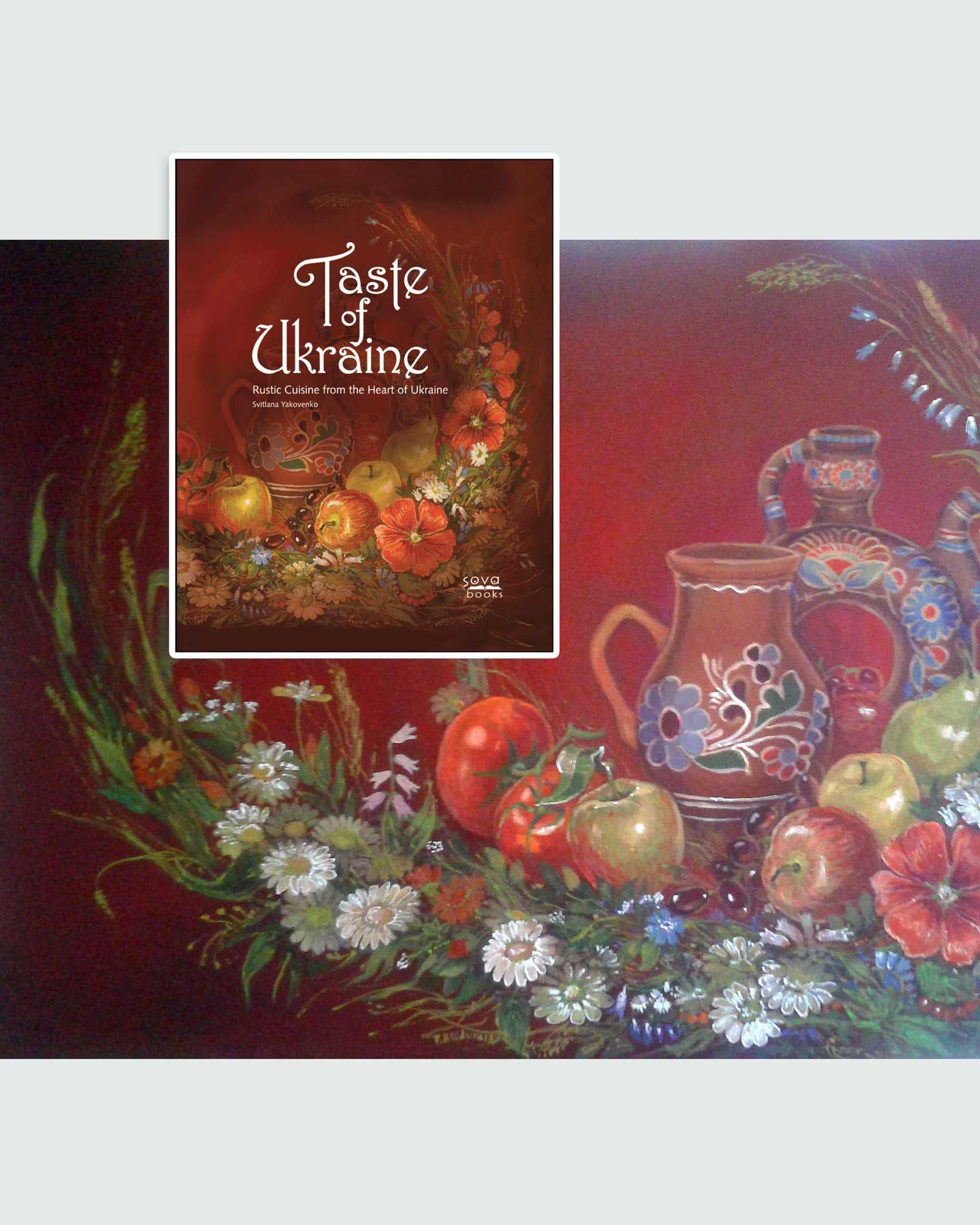
One of my favourite projects was Taste of Ukraine, published by the Australian Publishing Company (sovabooks.com.au). I created the cover illustrations and the full layout — and the book went on to win the 2013 Gourmand World Cookbook Award.
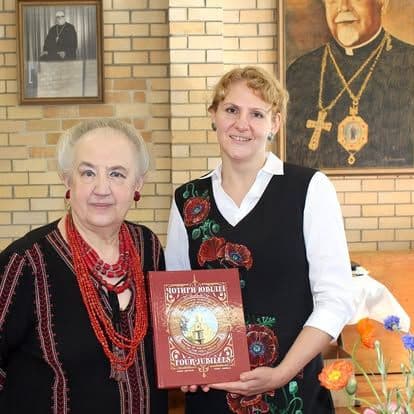
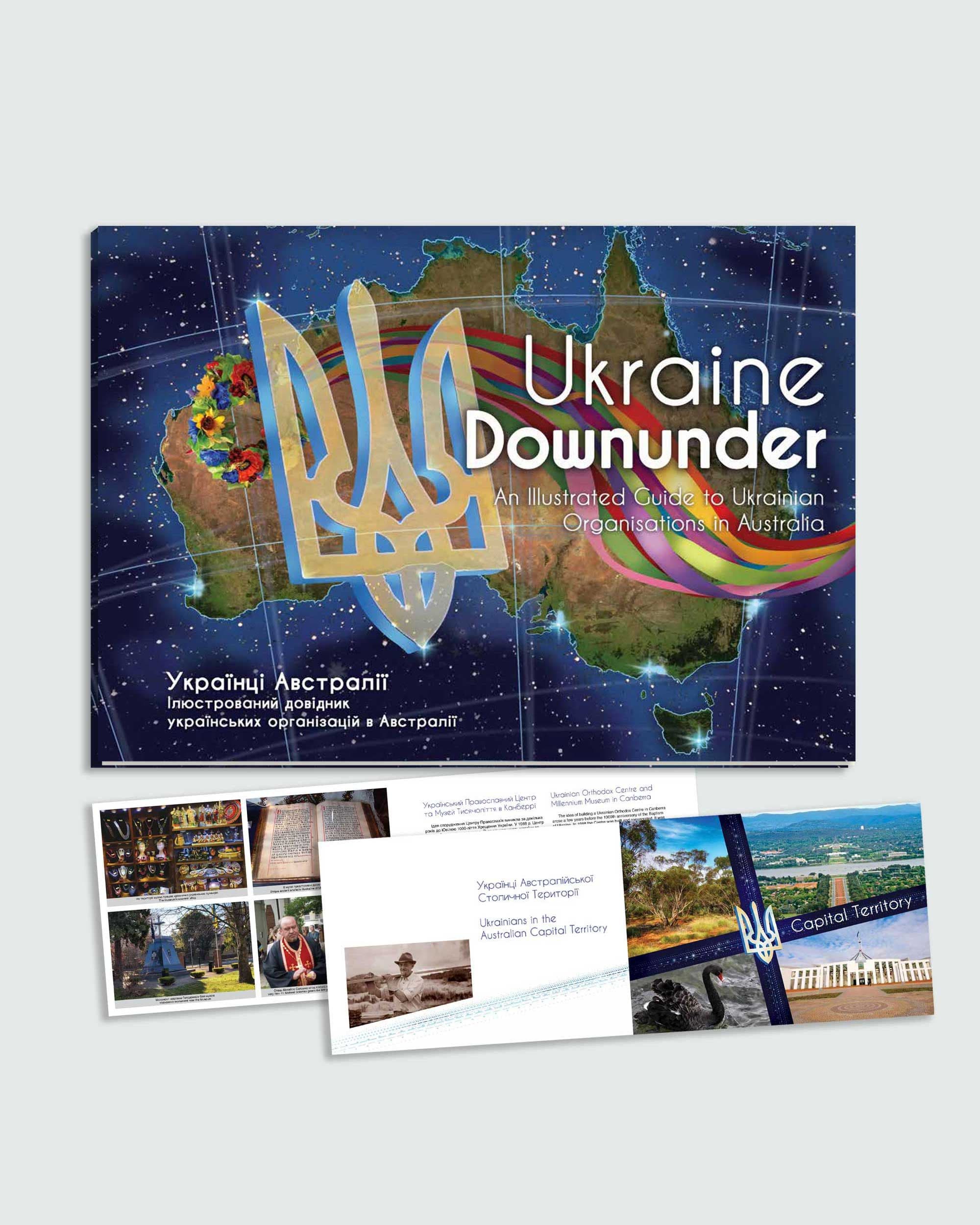
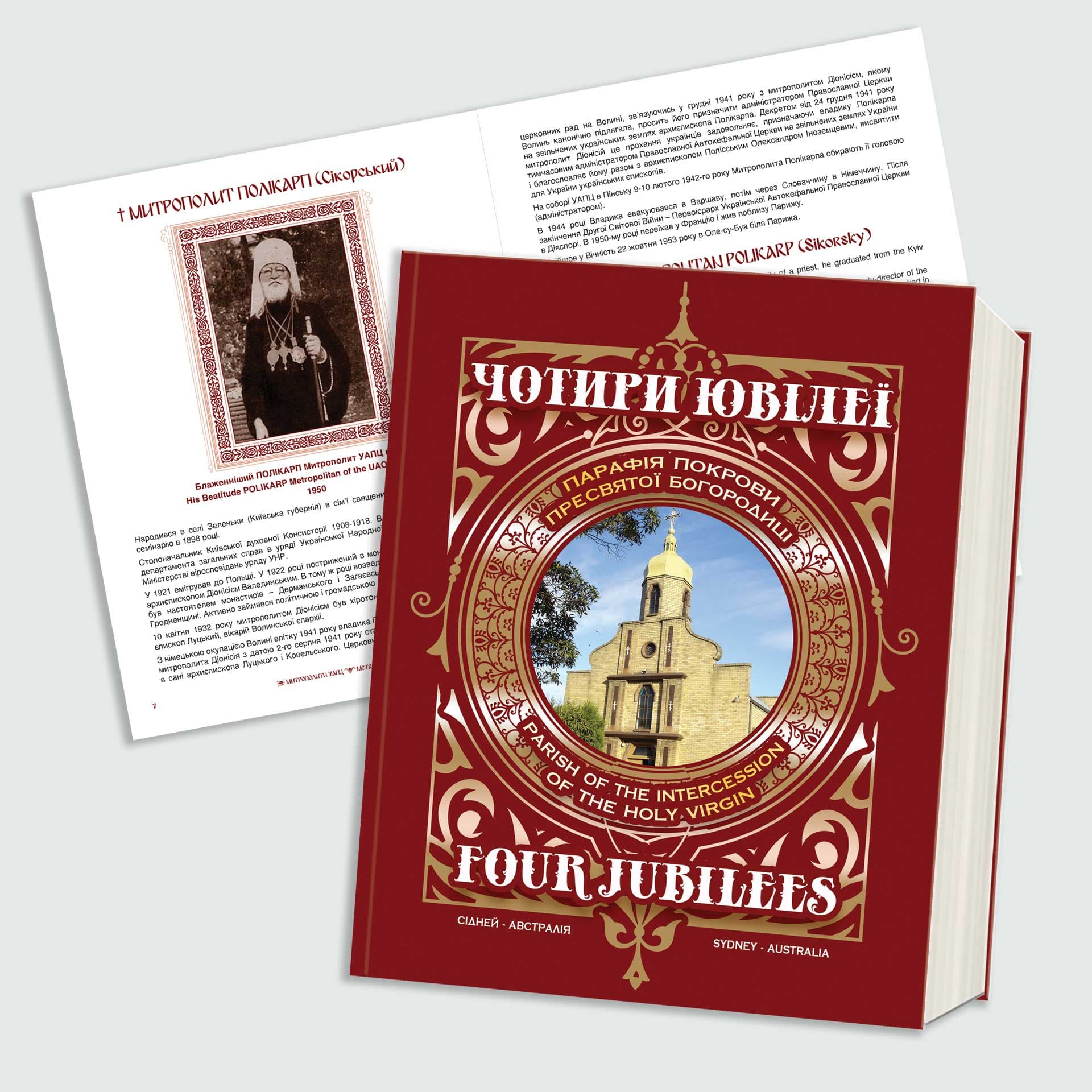
I’ve also worked with community organisations, including Ukrainians Down Under for AFUO, where I served as both editor and designer for their catalogue. Four Jubilee Book for Intersession of Holy Virgin Parish is one of the thickest and most comprehensive publication I’ve worked on to date.
Each book is its own world — structured, tactile, permanent. And I love shaping those worlds so they’re clear, beautiful, and built to last.
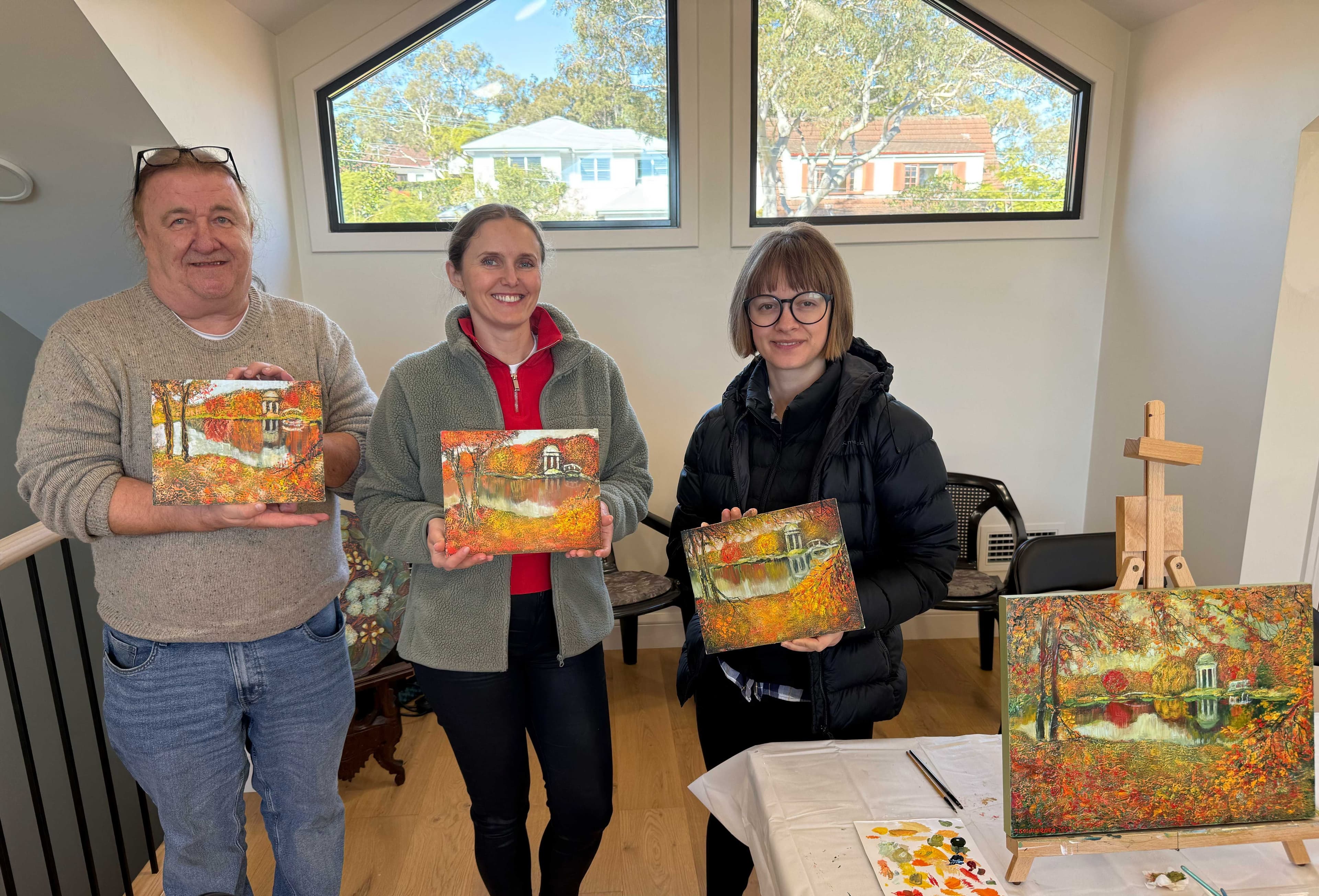
A Look Back at Our Winter Workshops 🌿🎨 We had some very enjoyable workshops in the studio over winter! With small groups, I can give each person the attention they need, demonstrate the techniques closely, and help everyone achieve a successful result. I’m especially proud of those who had never picked up a paintbrush before. Seeing them start with no experience and finish with a painting they are genuinely proud of is one of the most rewarding parts of teaching. We experimented with different techniques, materials and approaches to painting — and, of course, had a lot of fun along the way. Here are some of the results from our winter workshops. I think everyone did a fantastic job!
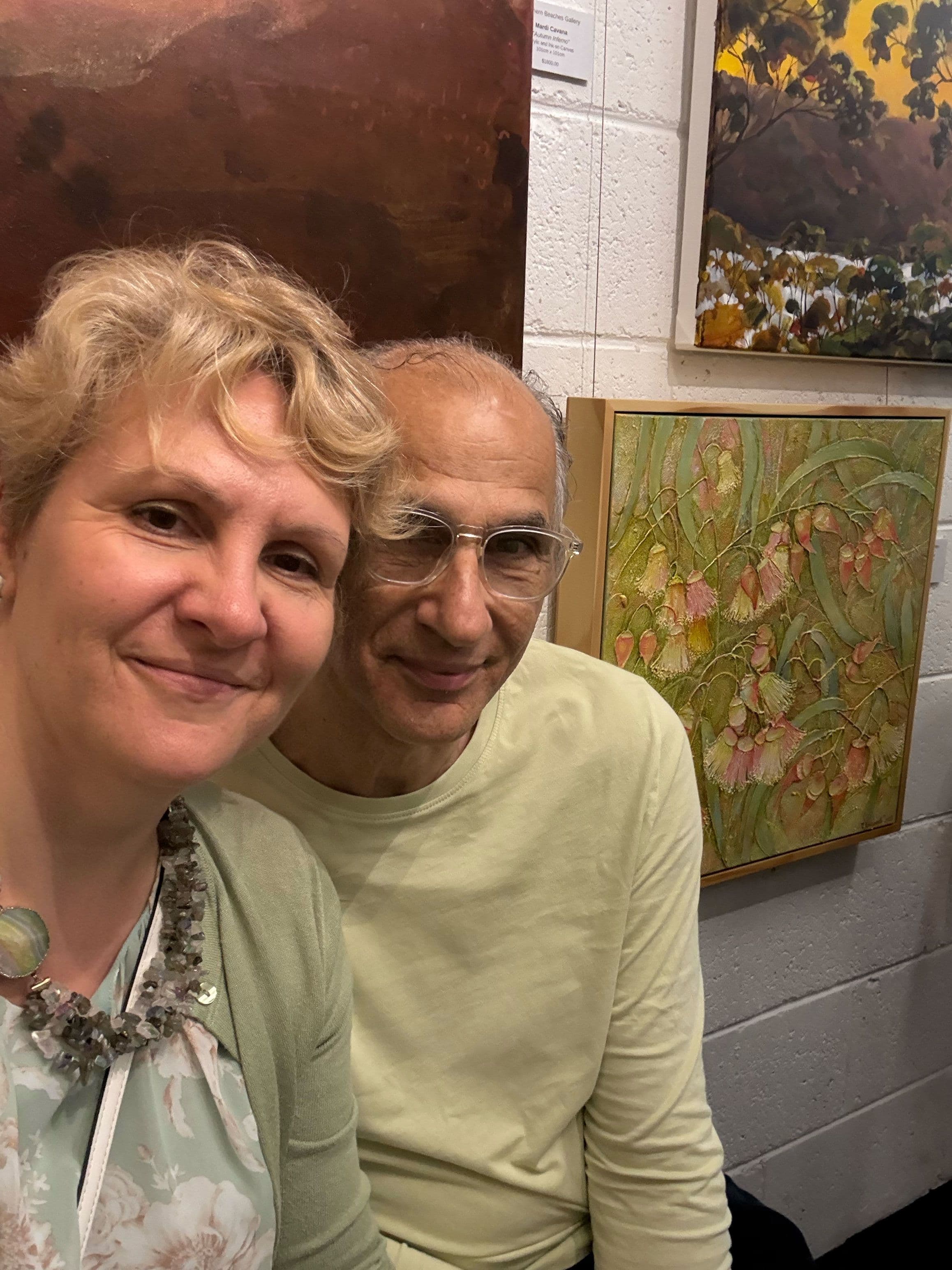
Over the past months, I’ve been honoured to be selected as a finalist in several exhibitions across Australia. Being part of the evolving art mosaic in Sydney and beyond is something I truly value. In October, my work was shown at Gallery 11:11, followed by Bridges to Belonging in Adelaide in November — an exhibition that explored connection, identity, and shared stories. December brought another exciting milestone: I was delighted to be a finalist in the 40 by 40 Exhibition at Newcastle Art Space 🎉 This exhibition celebrates over forty years of a vibrant creative community and showcases artworks measuring 40 × 40 cm — a reminder that great art can come in small packages. The exhibition ran in early December 2025. Also in December, I was selected to participate in The Summer Prize Exhibition at Northern Beaches Gallery, an exhibition absolutely worth visiting with many outstanding works on display. Among them was my painting Jingymia mallee — Eucalyptus synandra, shown in late December. Another memorable moment from this period was seeing one of my artworks sold at auction directly from the concert stage — a powerful reminder of how art can live and breathe beyond gallery walls. Currently, my work Nocturne for Large-Fruited Mallee is on display at: