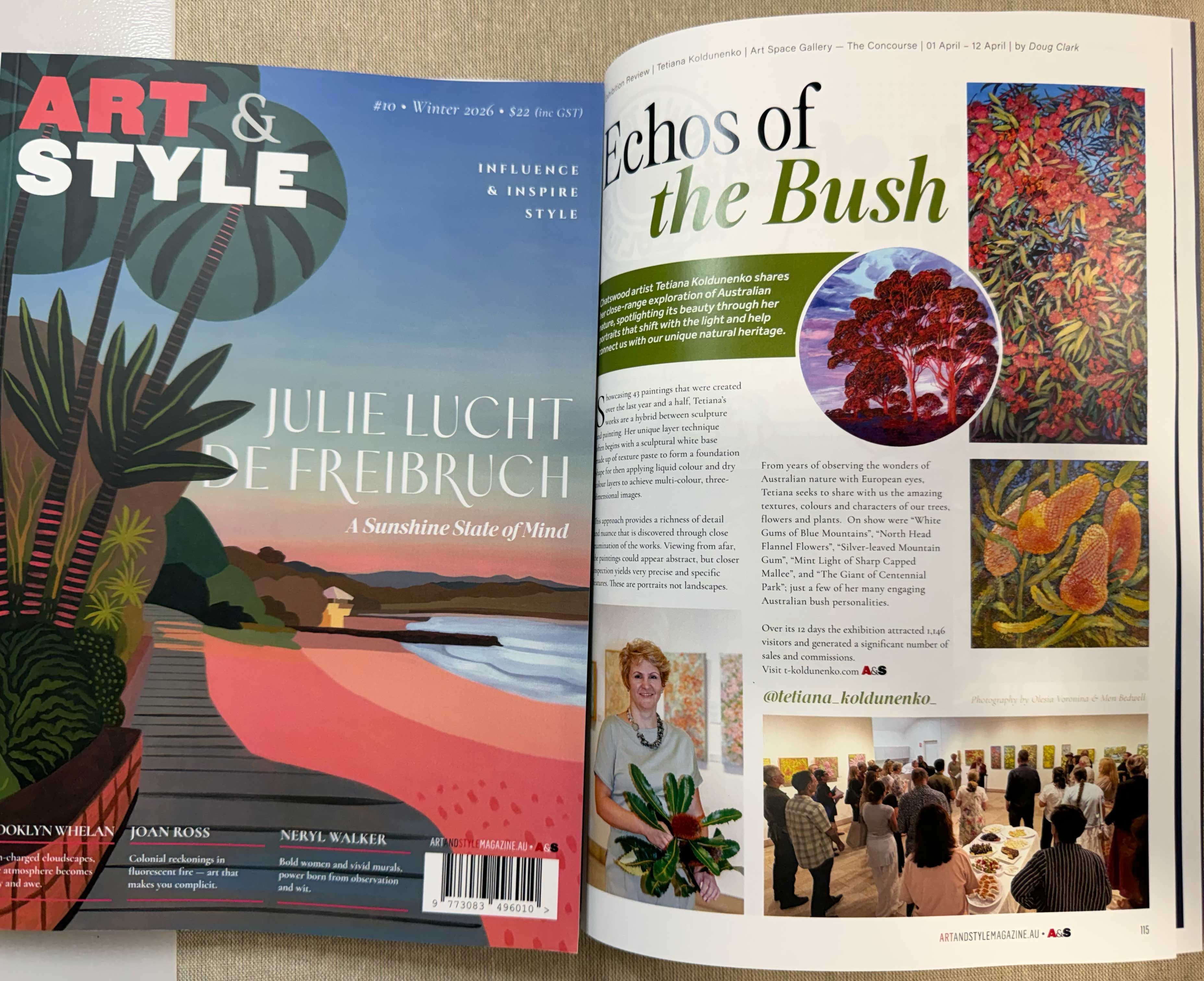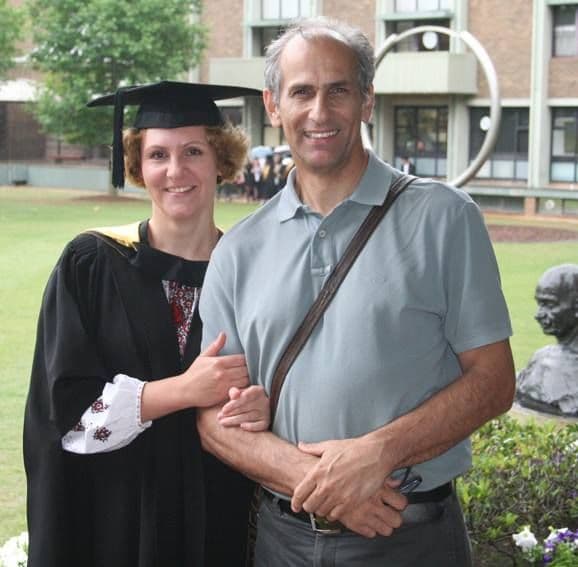
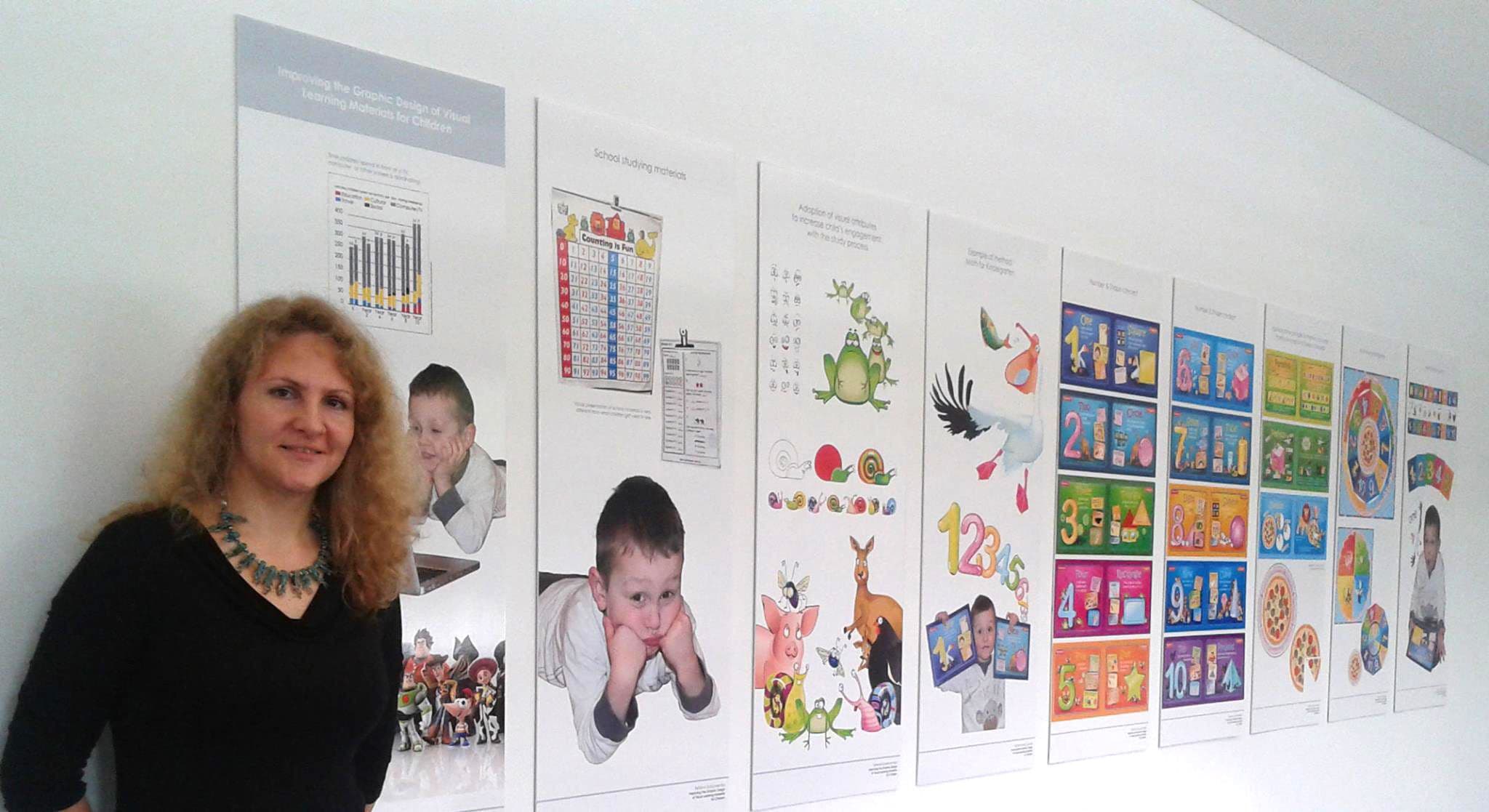
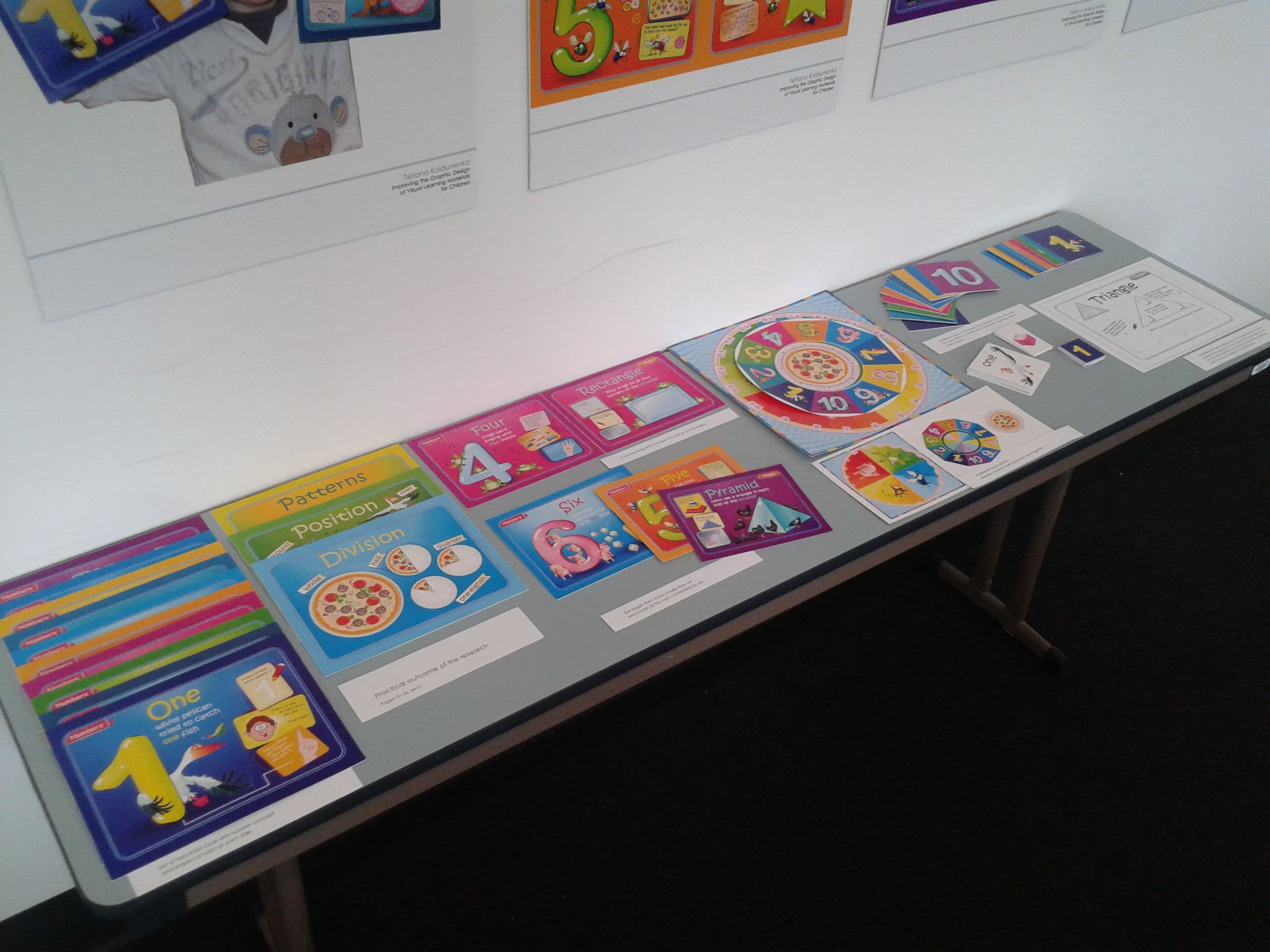
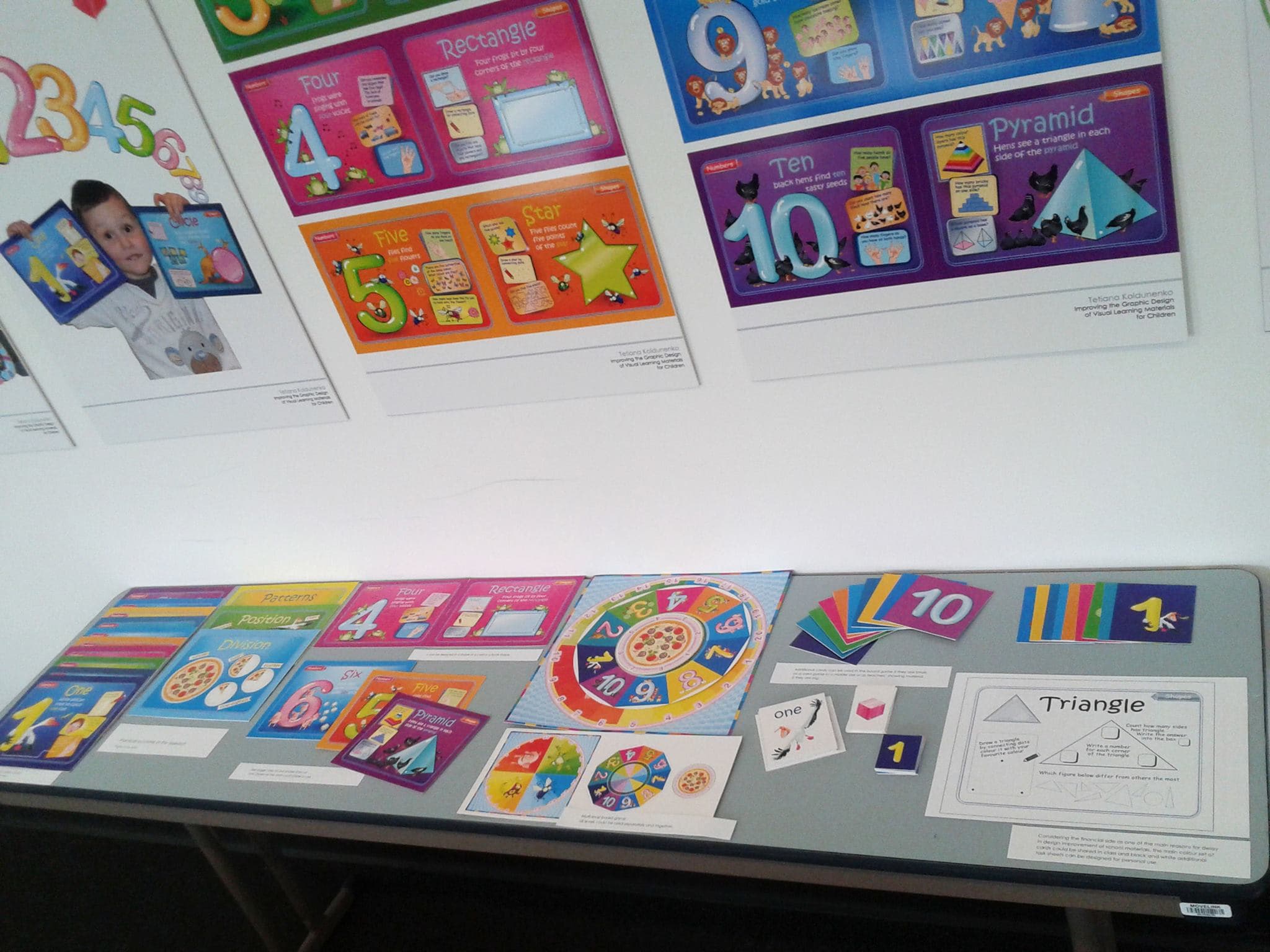
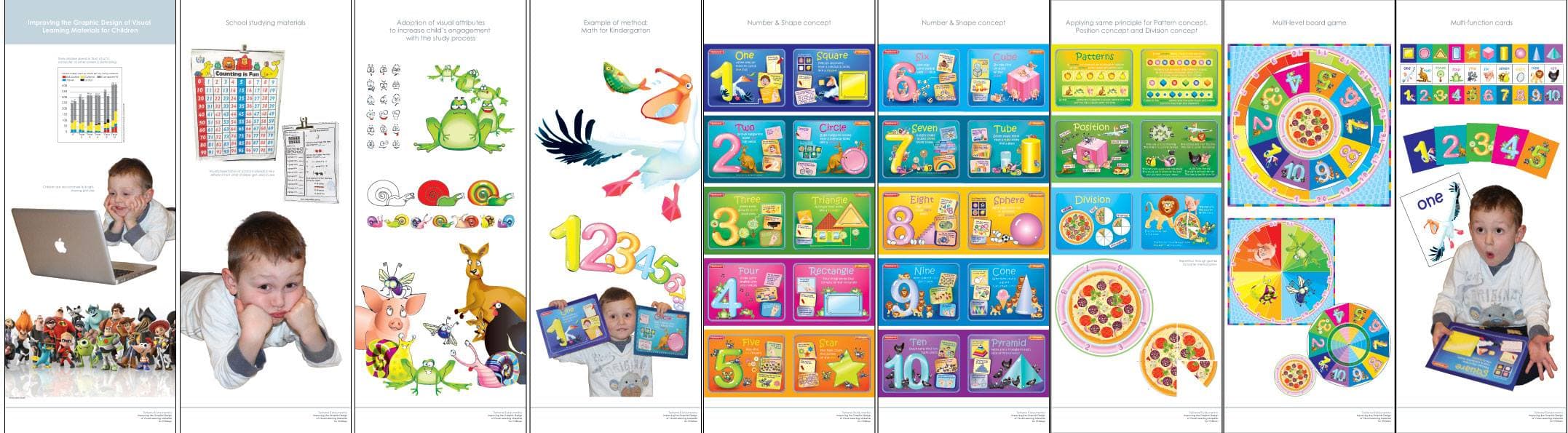
My Master of Design (Hon.) at COFA, UNSW focused on one question:
How can we improve children’s engagement with printed materials to support better learning outcomes?
My research shows that the more areas of the brain engaged in processing information, the stronger the memorisation and recall. I explored how to activate as many of these pathways as possible — story for narrative memory, colour for emotional response, sound and action for sensory cues, spatial awareness for orientation, and visual coding for recognition.
In short: designing visuals that teach, entertain, and stay in a child’s memory.
But my journey with children’s design began long before my Master’s.
Over the years, I’ve illustrated several children’s books and created my own comic book about the adventures of a Ukrainian boy in Australia — writing 20 stories and drawing all of the comic illustrations myself.
These projects shaped my understanding of how we see, learn, and connect with visual narratives — a foundation that continues to guide my work today.
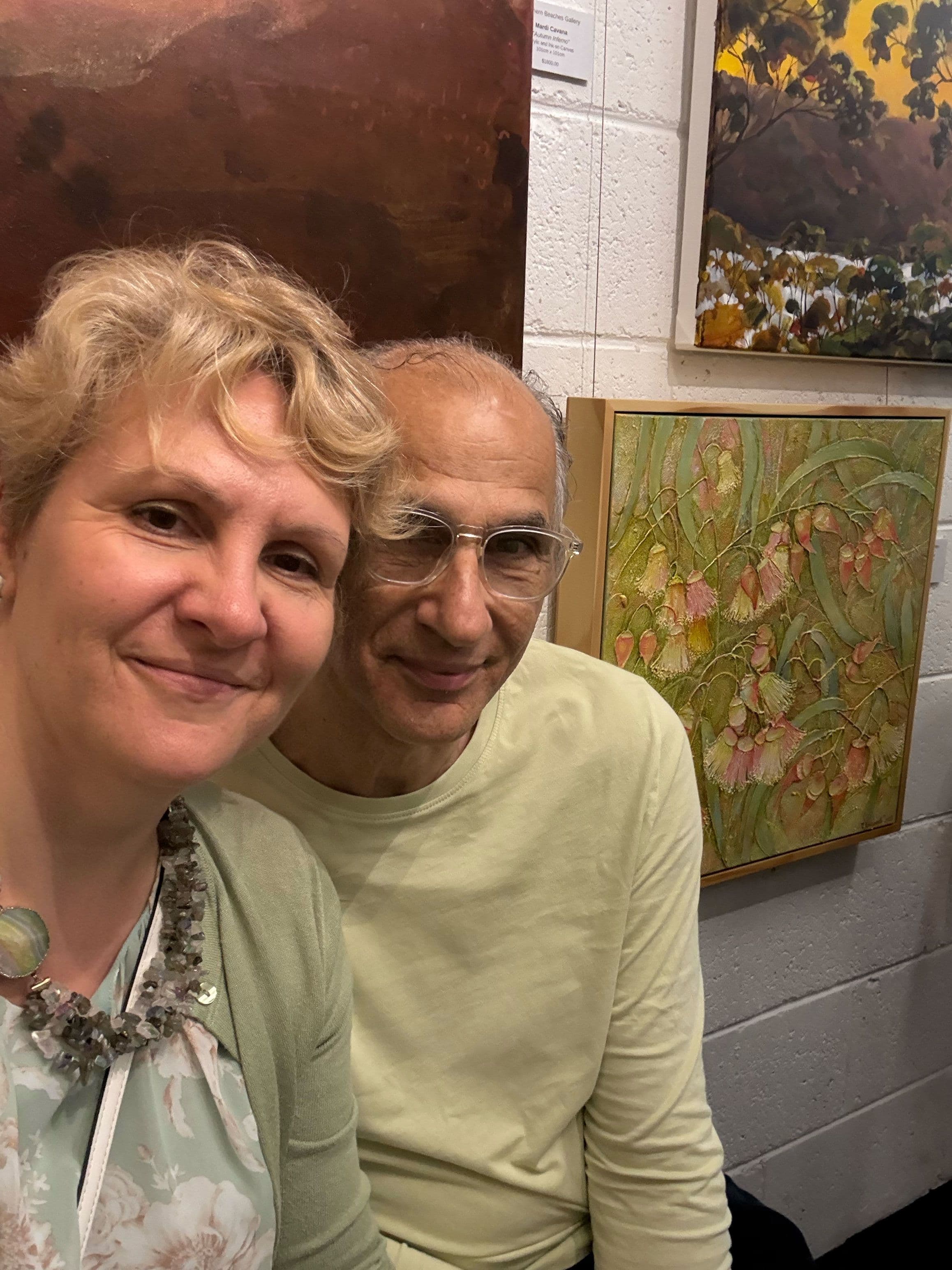
Over the past months, I’ve been honoured to be selected as a finalist in several exhibitions across Australia. Being part of the evolving art mosaic in Sydney and beyond is something I truly value. In October, my work was shown at Gallery 11:11, followed by Bridges to Belonging in Adelaide in November — an exhibition that explored connection, identity, and shared stories. December brought another exciting milestone: I was delighted to be a finalist in the 40 by 40 Exhibition at Newcastle Art Space 🎉 This exhibition celebrates over forty years of a vibrant creative community and showcases artworks measuring 40 × 40 cm — a reminder that great art can come in small packages. The exhibition ran in early December 2025. Also in December, I was selected to participate in The Summer Prize Exhibition at Northern Beaches Gallery, an exhibition absolutely worth visiting with many outstanding works on display. Among them was my painting Jingymia mallee — Eucalyptus synandra, shown in late December. Another memorable moment from this period was seeing one of my artworks sold at auction directly from the concert stage — a powerful reminder of how art can live and breathe beyond gallery walls. Currently, my work Nocturne for Large-Fruited Mallee is on display at:
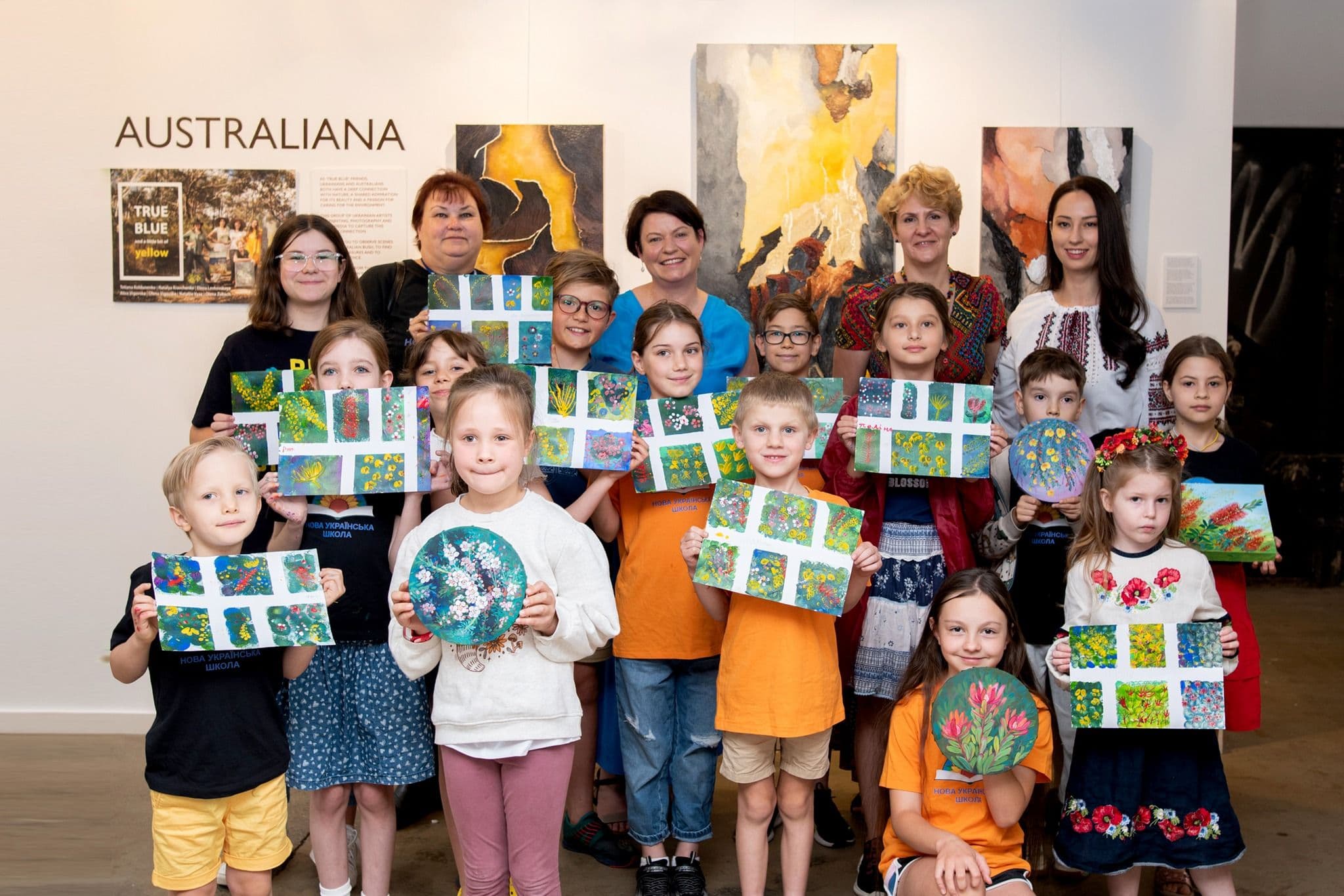
The 7th fundraising exhibition by True Blue & a Little Bit of Yellow took place at Incinerator Art Space, Willoughby, from 16–27 November 2022, and remains one of our most memorable milestones. Over two weeks, we were overwhelmed by the support, kindness, respect, and genuine engagement from the local community. Australiana brought together seven artists and resulted in 18 of 30 artworks sold, with close to $10,000 raised to support people in Ukraine during a time of great need. The exhibition was alive with connection and participation. I conducted two highly successful workshops on site, including a painting workshop where Scarlett Banksia bloomed across every artwork, and a special children’s workshop for students from Nova Ukrainian School. Seeing young participants engage with art in this context was deeply moving. We were honoured to welcome remarkable supporters and guests at the opening, including Mayor of Willoughby City Tanya Taylor, MP Tim James, Honorary Consul of Ukraine in Sydney Jaroslav Duma, Deputy Chief of Mission Volodymyr Shalkivski, Co-chair of the Australian Federation of Ukrainian Organisations Kateryna Argirou, and many others. The opening was enriched by the music of Harrison Taranec on tenor saxophone, and the closing event was beautifully marked by violinist Maryana Sywak from Jaga Band. Australiana was more than an exhibition — it was a shared effort, a meeting of art, community, and generosity, and a powerful reminder of what can be achieved when people come together with care and purpose.