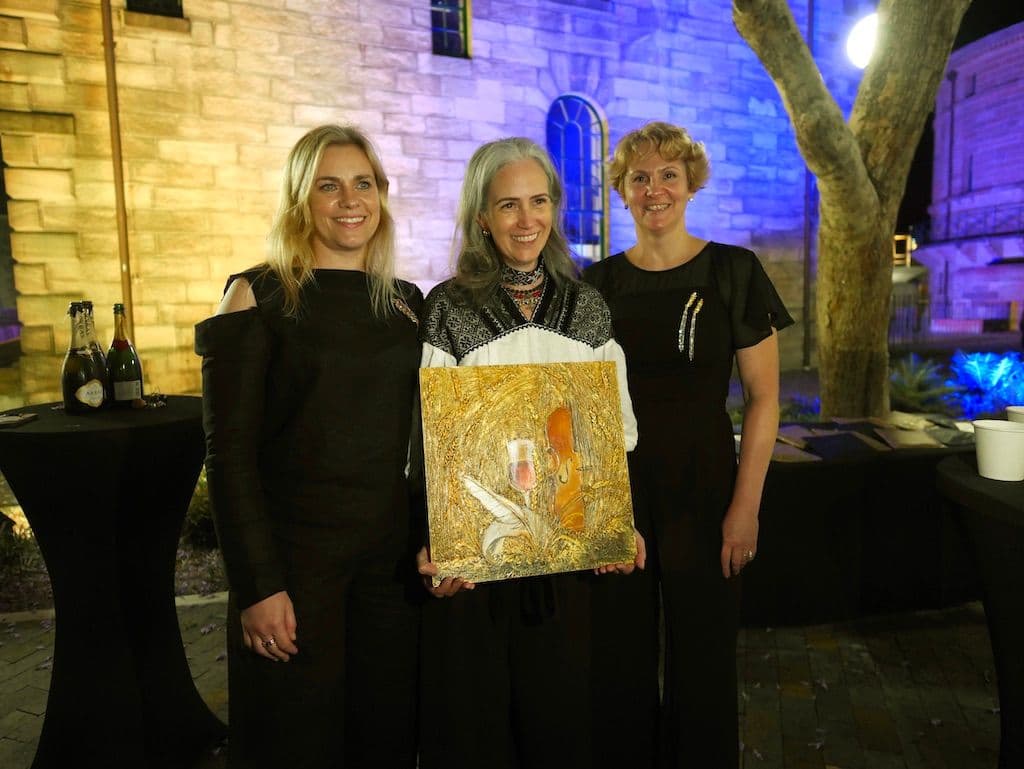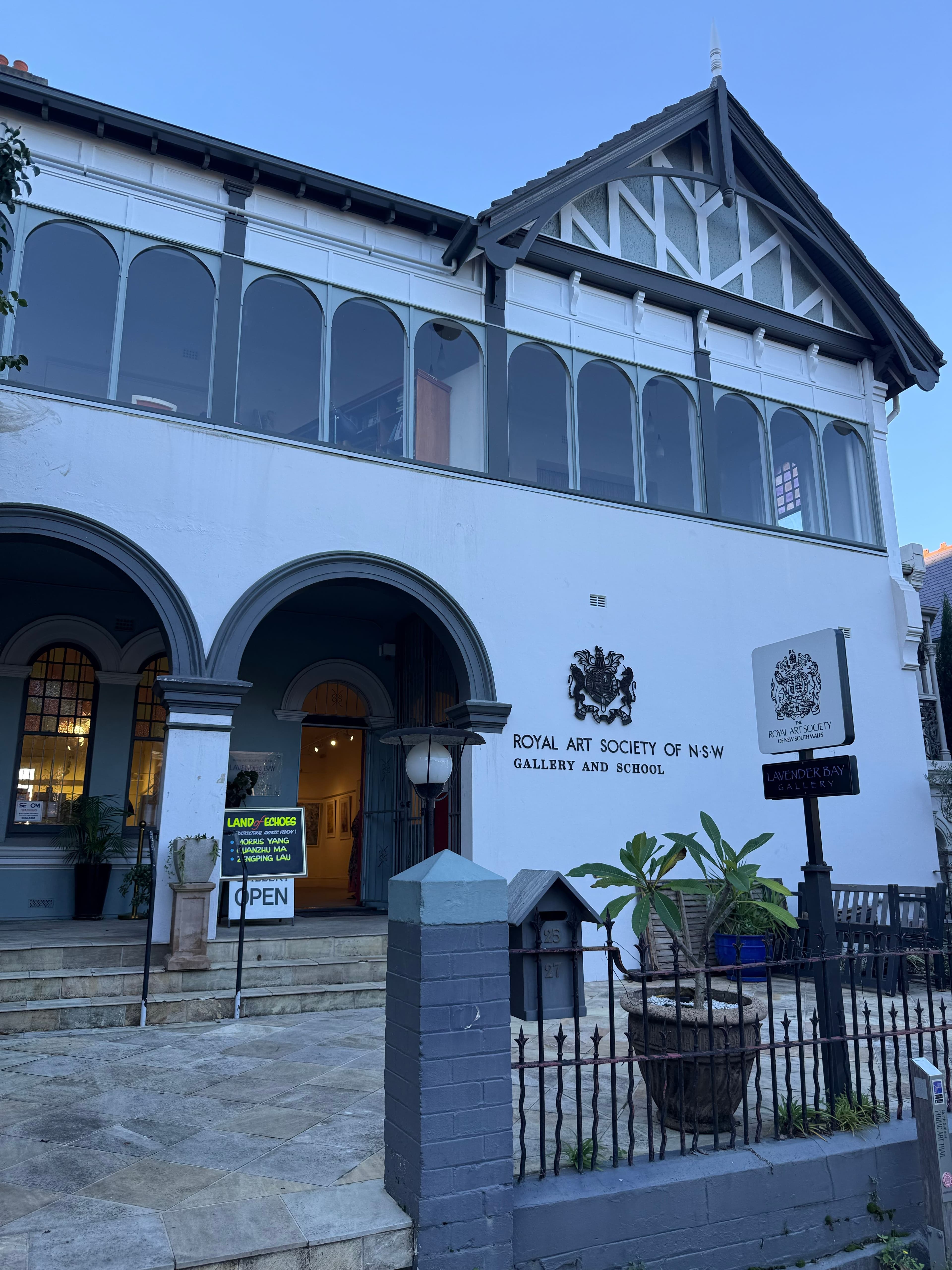
I am delighted to share that I have been accepted as a member of the Royal Art Society of New South Wales (RAS NSW).
Founded in 1880, the Royal Art Society of New South Wales has supported Australian artists for more than 145 years through exhibitions, education and the promotion of visual arts. Becoming part of this long-standing artistic community is an important milestone in my professional journey.
As an artist, I am continually seeking opportunities to grow, connect with fellow artists, and contribute to Australia's vibrant arts community. Membership in the Society provides the opportunity to engage with a network of talented artists, participate in exhibitions, and continue developing my artistic practice.
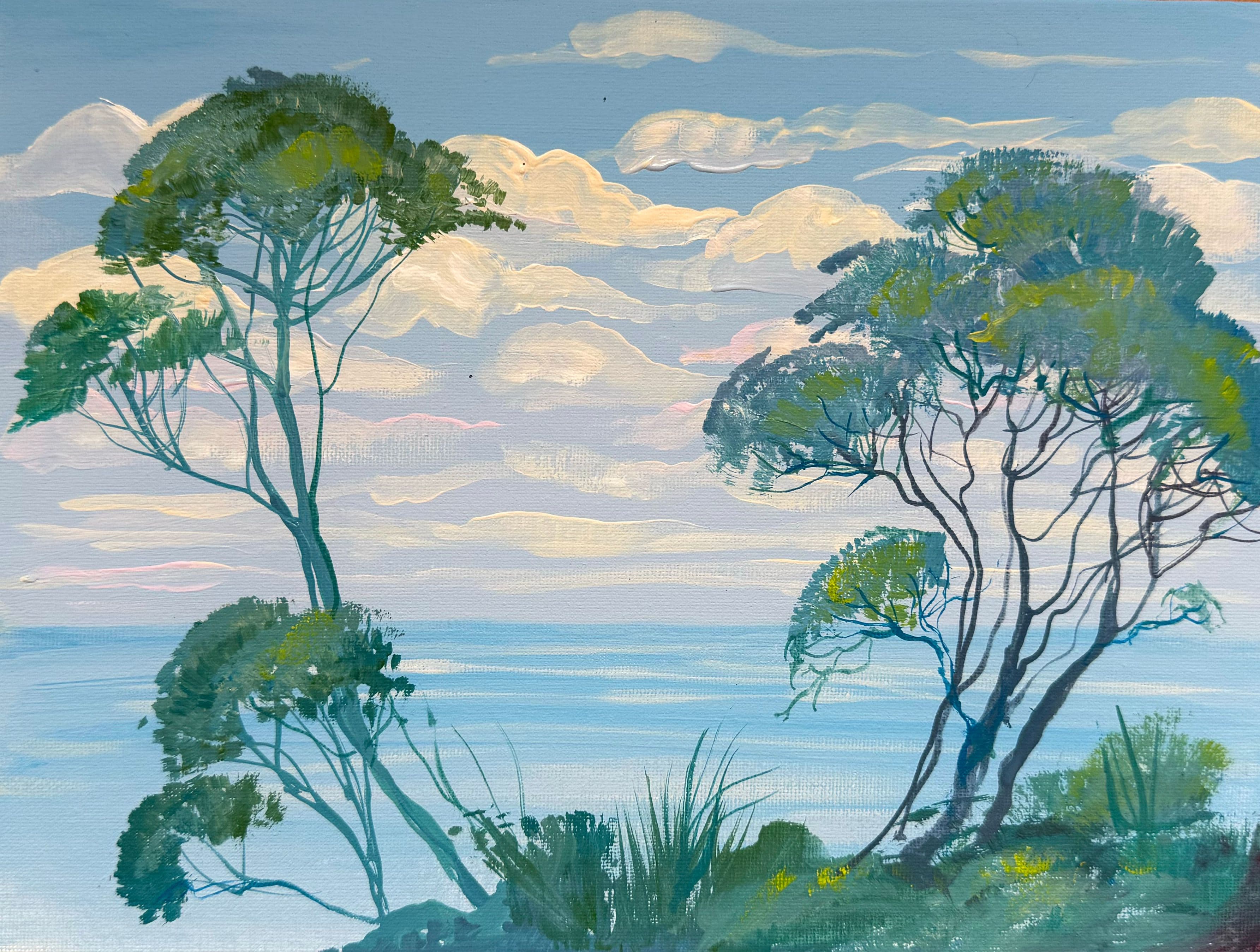
Over the past few years, my work has increasingly focused on celebrating the unique beauty of the Australian landscape through my Tree Portraits series. By combining sculptural relief surfaces with carefully observed colour and light, I aim to encourage viewers to slow down, notice the individuality of native trees, and deepen their connection with the Australian bush.
Joining the Royal Art Society marks another step in this journey. I look forward to exhibiting with the Society, meeting fellow members, and continuing to develop my work while contributing to this respected artistic community.
I would like to thank the Royal Art Society of New South Wales for welcoming me as a member, and I look forward to the opportunities and friendships that lie ahead.
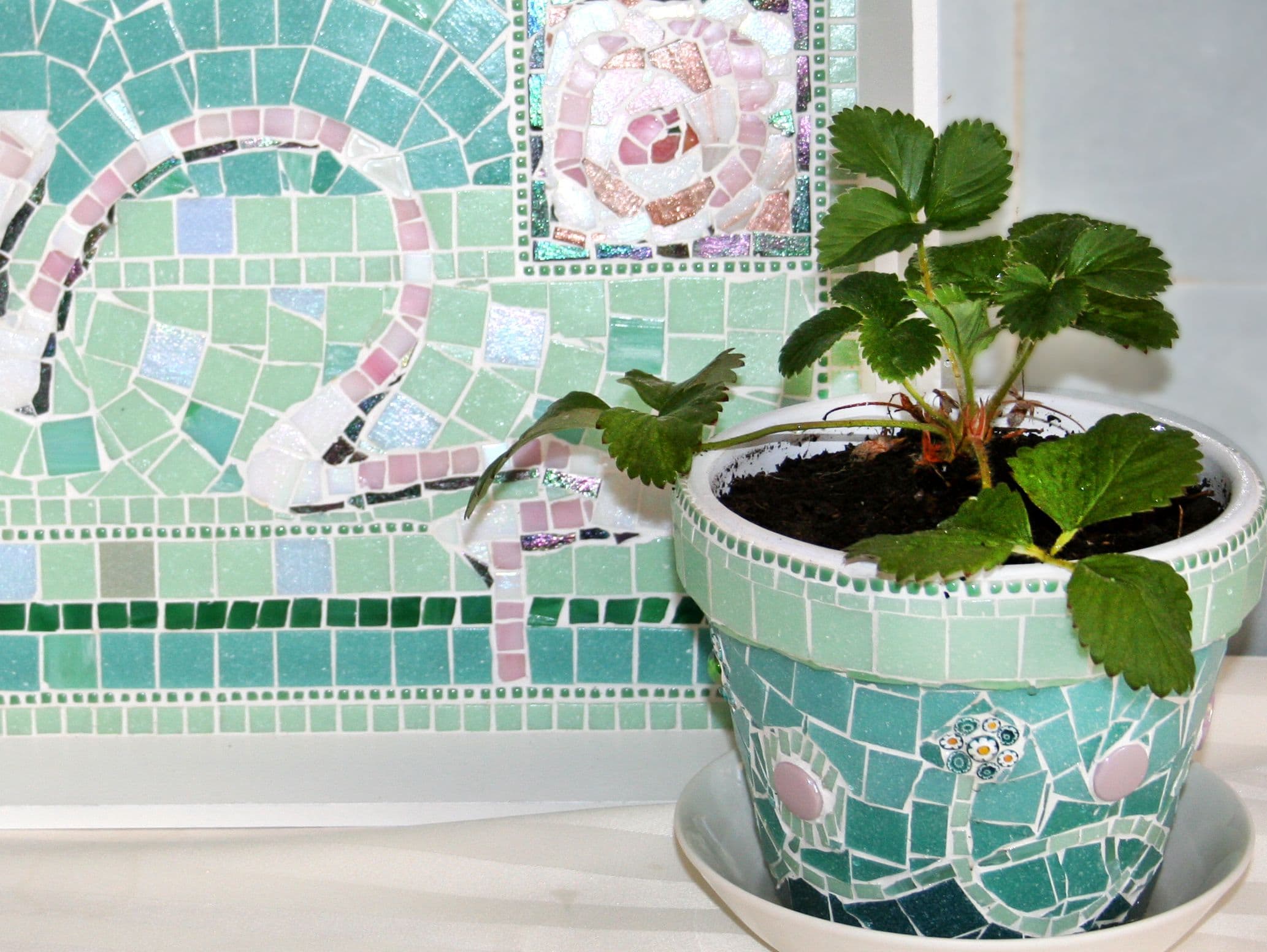
Mosaic has always fascinated me for its quiet complexity. There is something magical in planning to deconstruct a design into small pieces, only to assemble it again into a new whole. Each fragment carries its own presence, yet only truly comes alive in relationship to the others. Our eye moves naturally along the lines between the pieces, enjoying the rhythm of separation as much as the image they form together. We see the individual elements, the design they create collectively, and the spaces in between — all at once. That simultaneous experience is what makes mosaic so compelling to me: multifaceted, layered, and endlessly engaging. Beyond its visual richness, mosaic surfaces are also wonderfully practical. They are not afraid of a hot cup, a wet glass, a scratch, or a spill. This combination of beauty and durability is what makes mosaic especially appealing to me — art that can be lived with, touched, and used every day.
I’m back in the studio, back to normality, and ready to continue sharing what I love most — my knowledge of art, different techniques and practical skills that can open up new possibilities for your own creativity. This October, I’m offering two very different workshops, both suitable for all levels and for adults and young people aged 12+. Come and spend a few hours making art, learning a new technique and getting your hands back to the brush. I look forward to seeing you in the studio! 🇺🇦 Petrykivka: Mastering the One-Stroke Technique Discover the beautiful Ukrainian folk painting style of Petrykivka. In this workshop, you’ll learn about the history of Petrykivka and how flowers, leaves and berries are built through different brushstrokes. You’ll also learn how to load two colours onto one brush and control its movement to create variations of colour, shape and tone. This is particularly valuable for artists and beginners because it gives you a chance to really understand your brush as a tool — how its shape and size affect the mark, how to control pressure and movement, and how to master the stroke of your brush. Illusion of Distance: The Tricks of Perspective