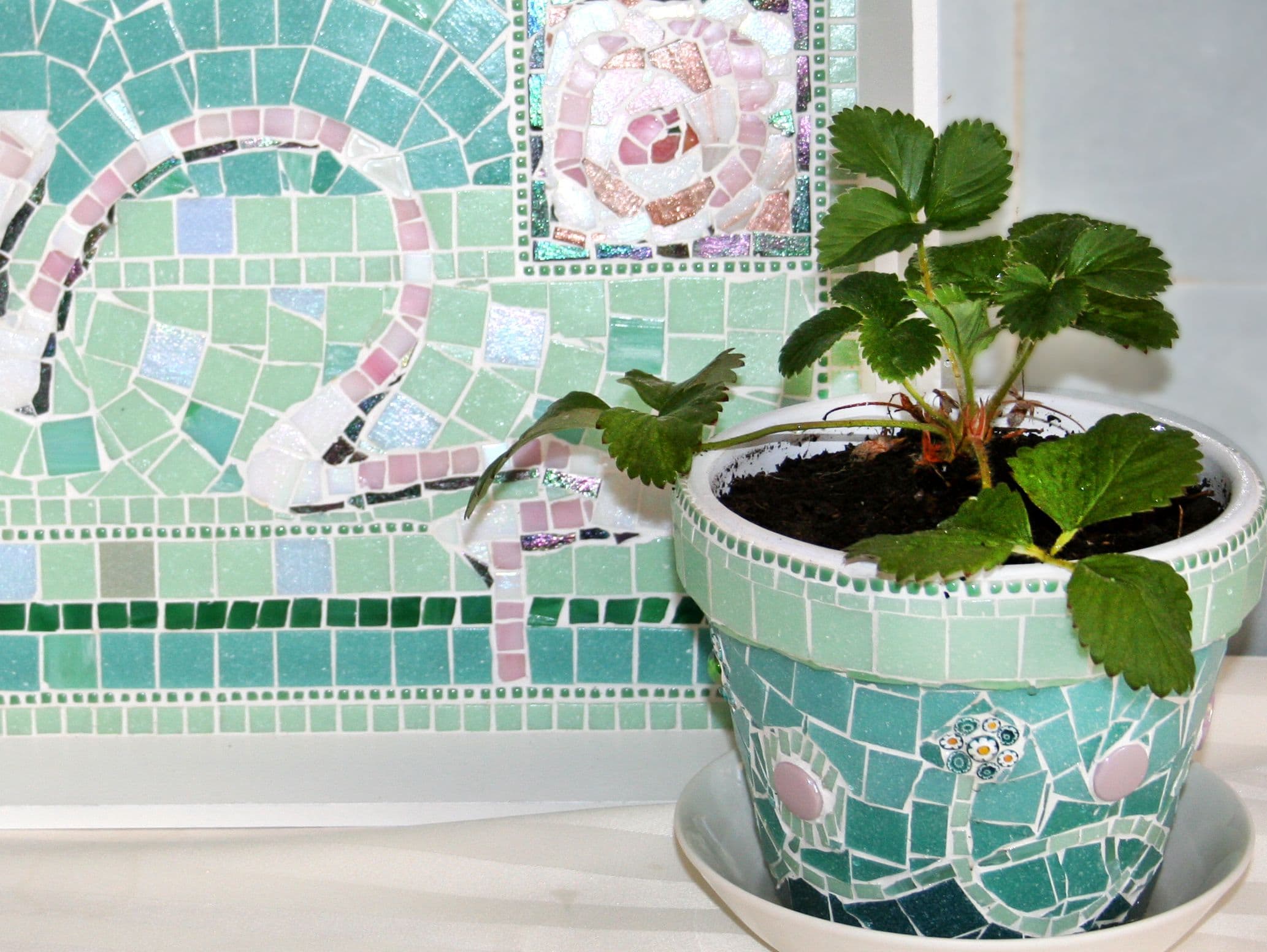
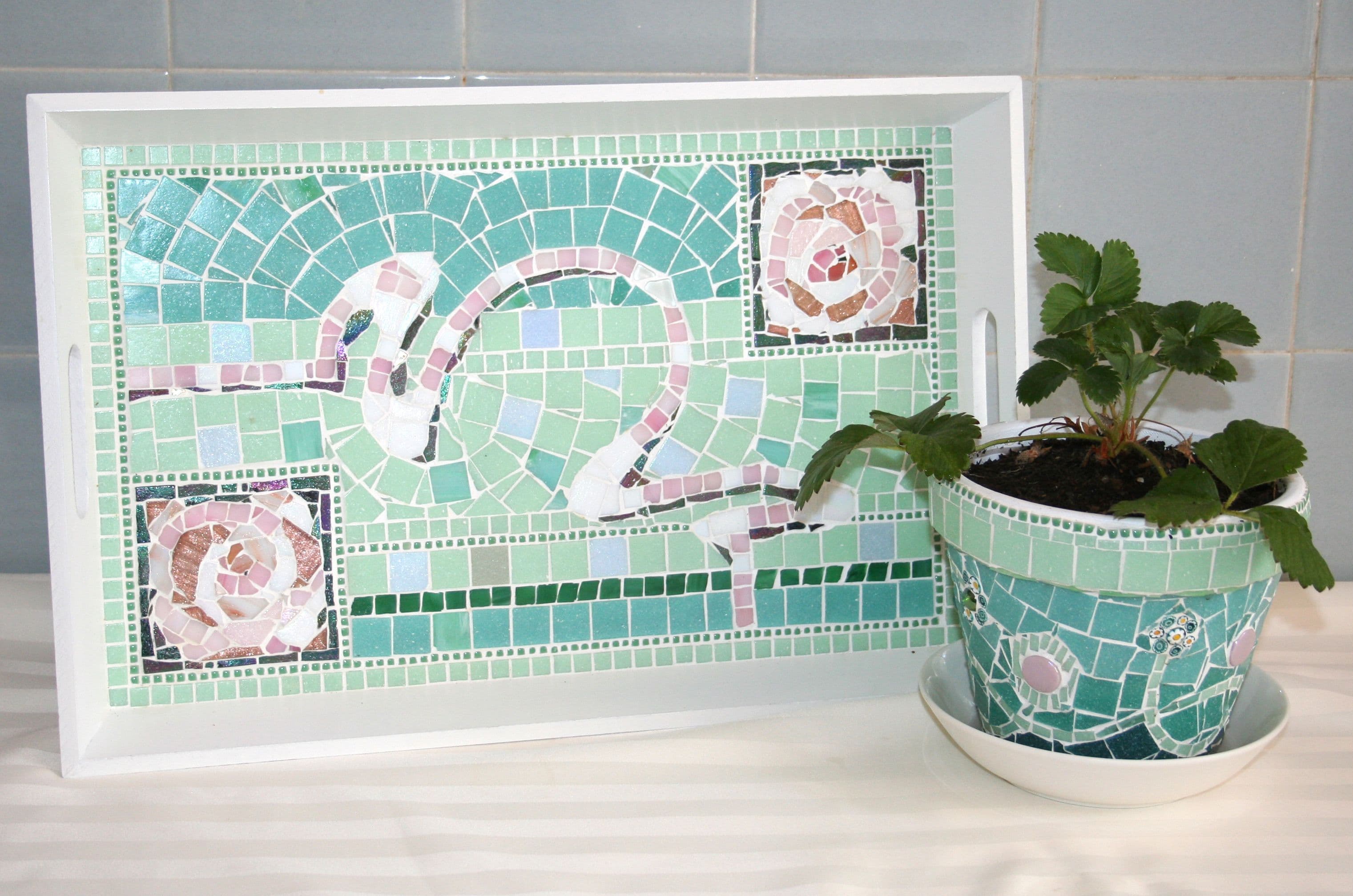
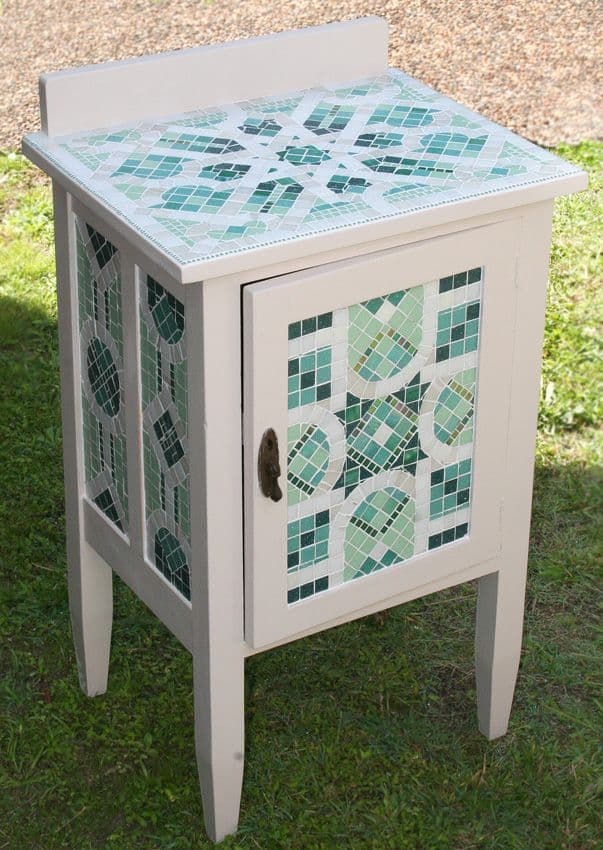
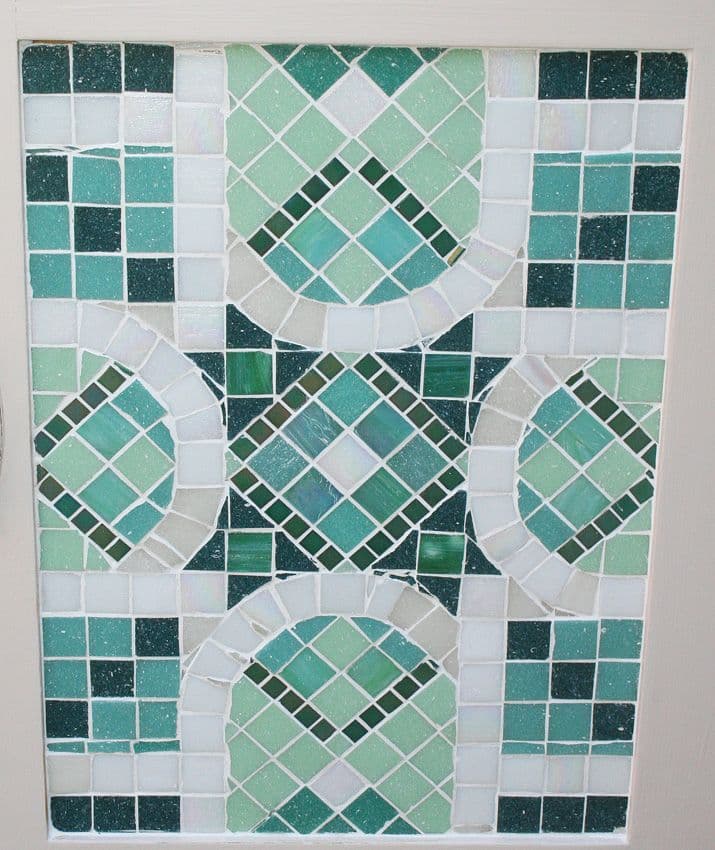
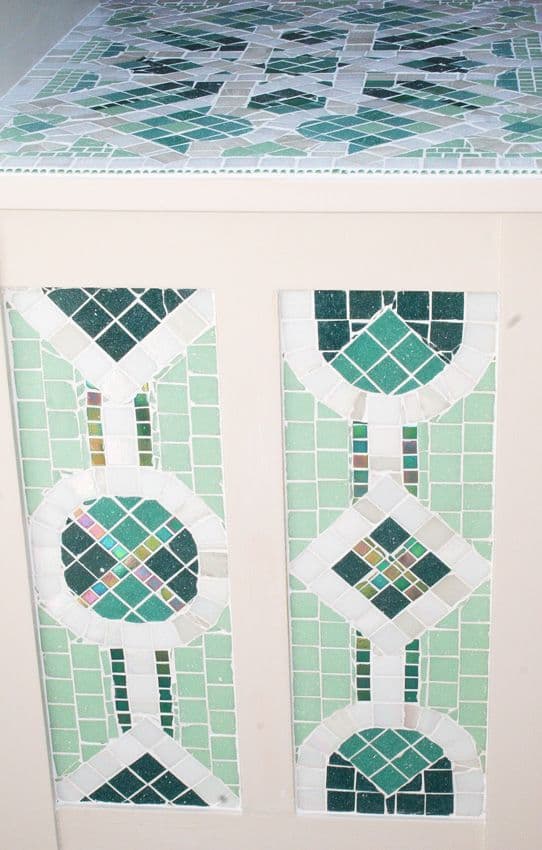
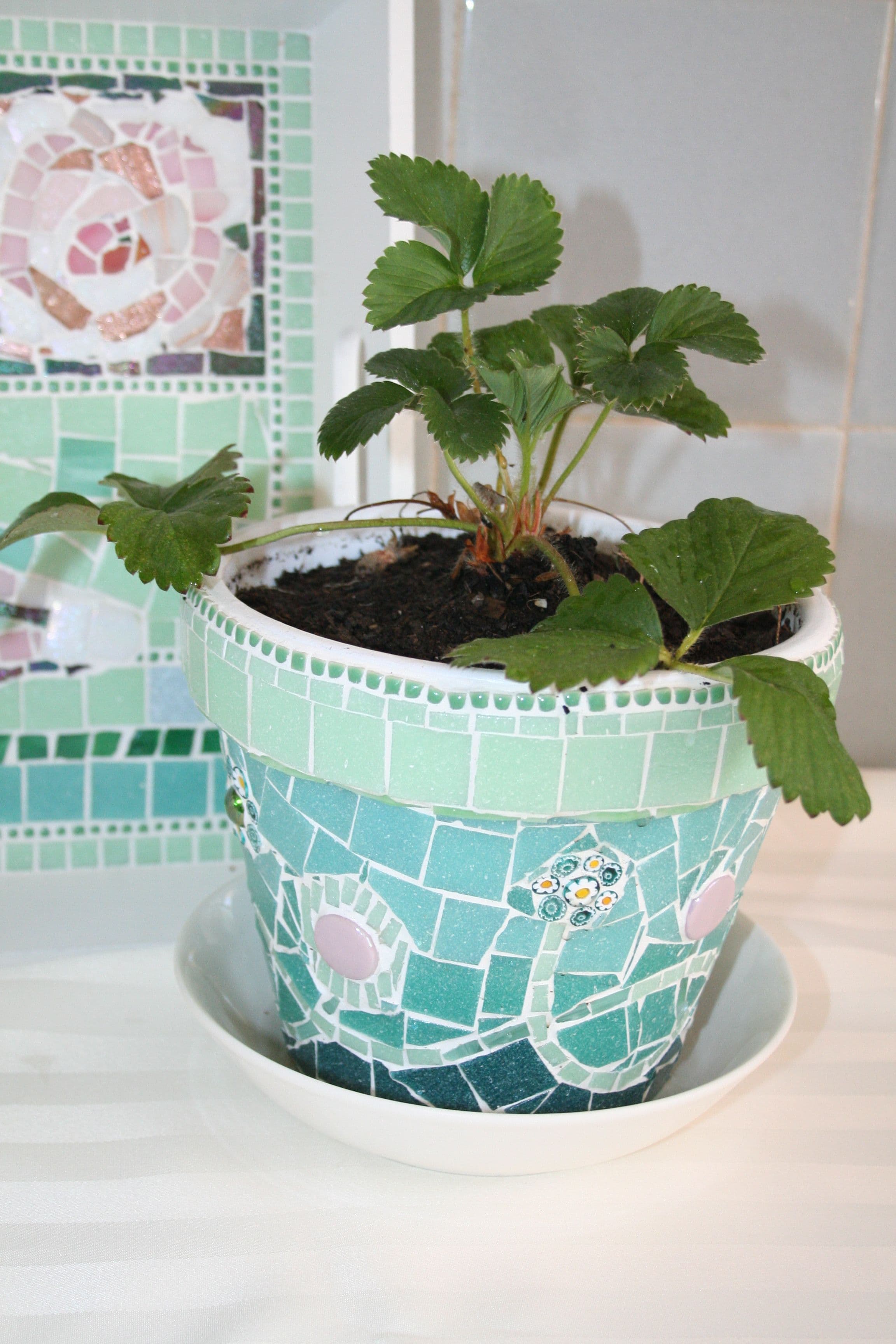
Mosaic has always fascinated me for its quiet complexity. There is something magical in planning to deconstruct a design into small pieces, only to assemble it again into a new whole. Each fragment carries its own presence, yet only truly comes alive in relationship to the others.
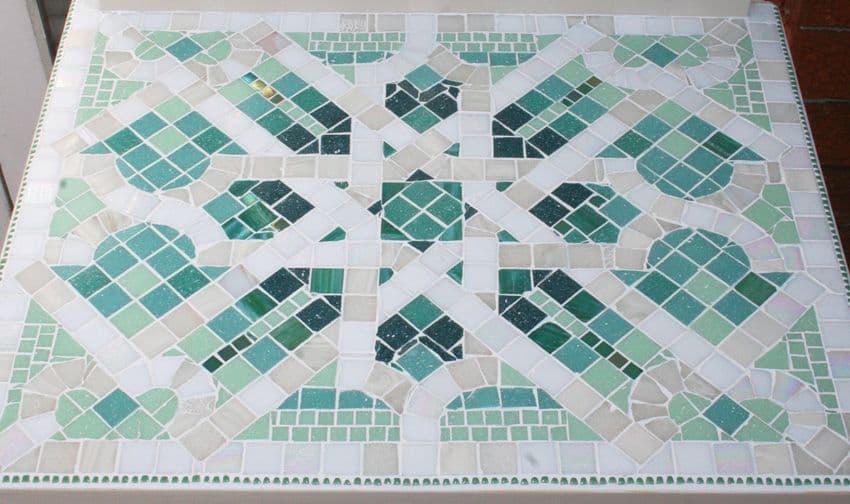
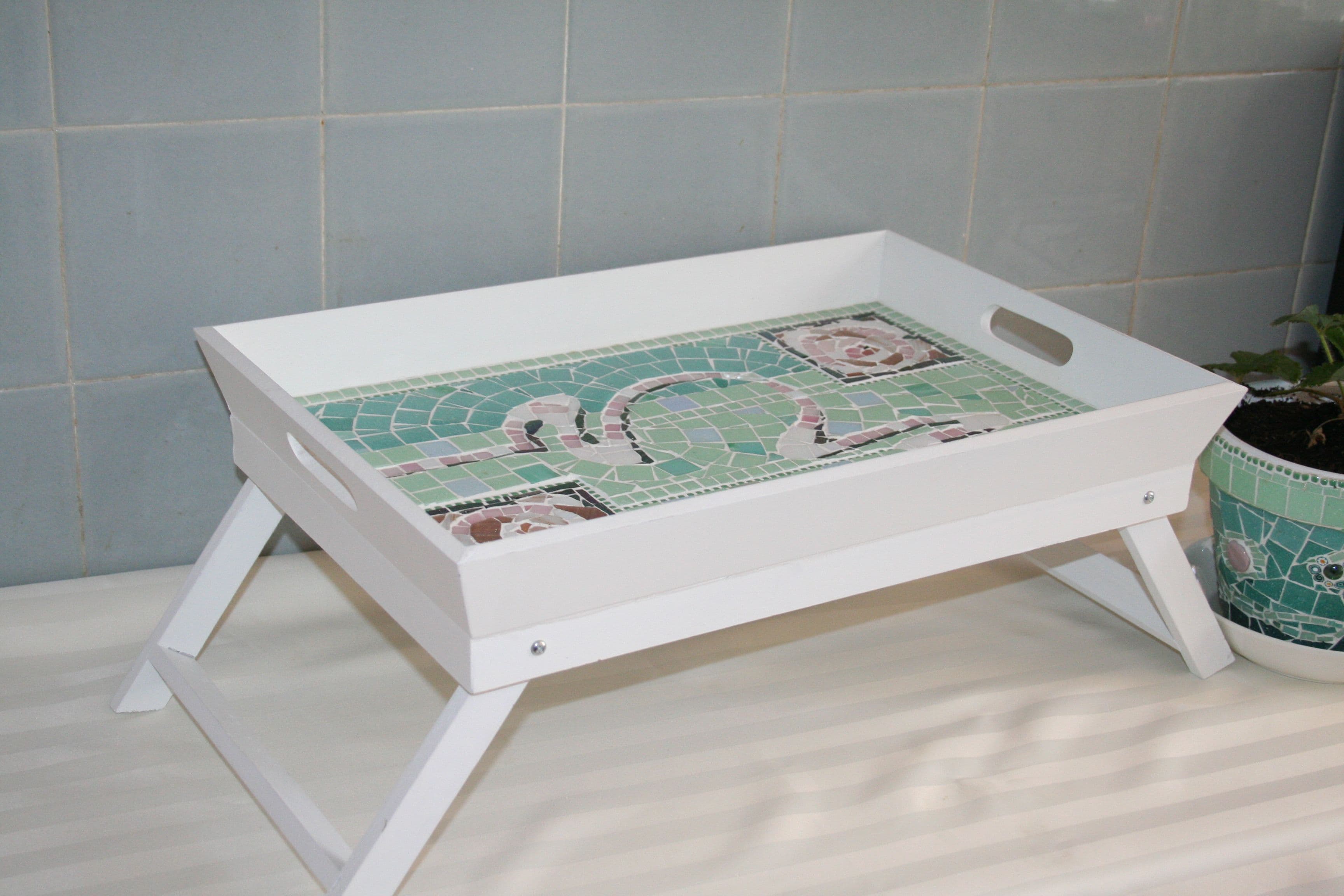
Our eye moves naturally along the lines between the pieces, enjoying the rhythm of separation as much as the image they form together. We see the individual elements, the design they create collectively, and the spaces in between — all at once. That simultaneous experience is what makes mosaic so compelling to me: multifaceted, layered, and endlessly engaging.
Beyond its visual richness, mosaic surfaces are also wonderfully practical. They are not afraid of a hot cup, a wet glass, a scratch, or a spill. This combination of beauty and durability is what makes mosaic especially appealing to me — art that can be lived with, touched, and used every day.
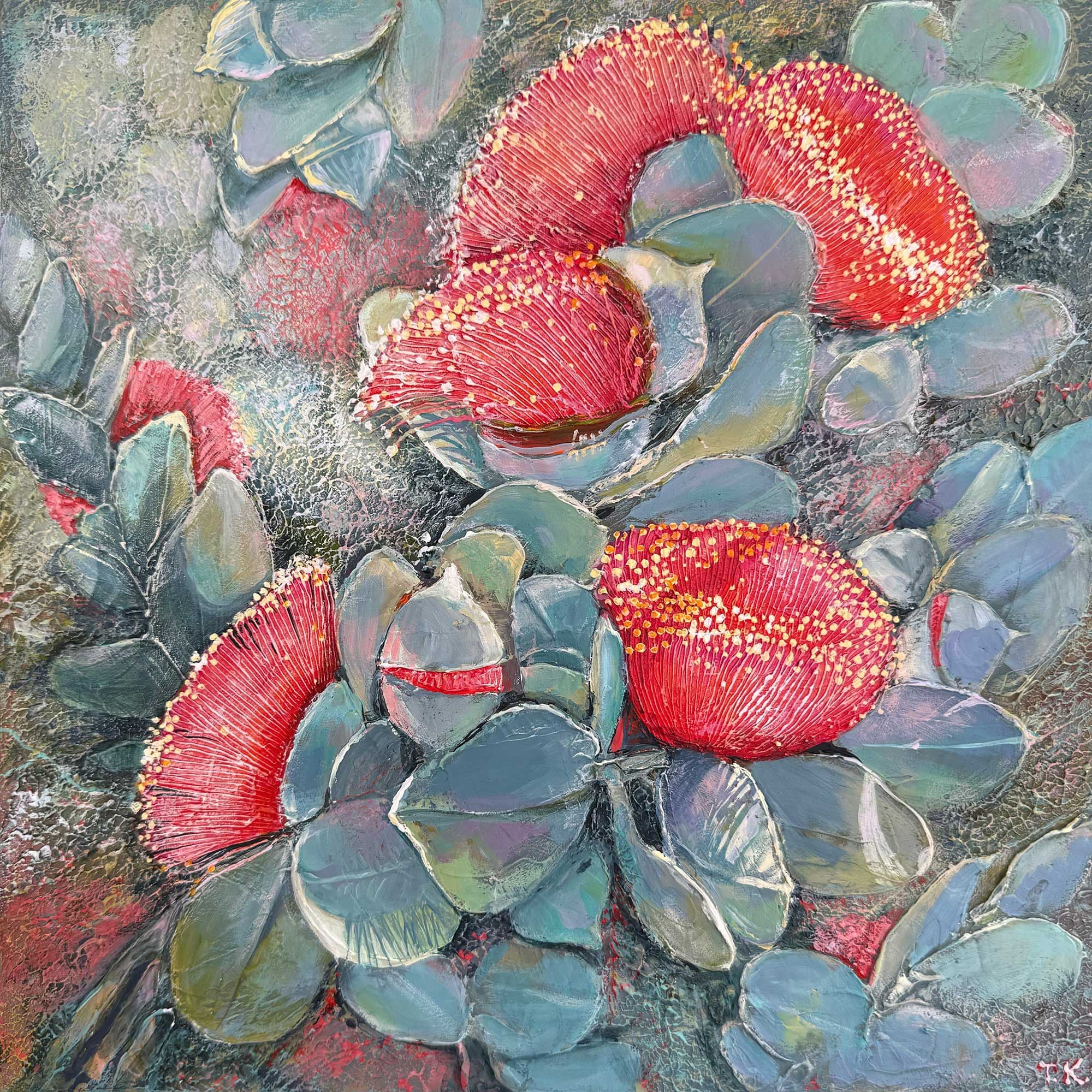
I am delighted to share that my artwork Light Between Us has been selected as a finalist in the North Sydney Winter Art Prize 2026. This piece continues my exploration of Australia's natural landscape through texture, light, and colour. Created with acrylic and texture paste on a wooden panel, Light Between Us invites viewers to pause and appreciate the quiet beauty found in nature and the subtle connections that exist between trees, light, and the people who experience them. Light Between Us 2026 Acrylic and texture paste on wood 30 × 30 cm The Winter Art Prize brings together a diverse collection of works by talented artists from across the region. It is an honour to have my work exhibited alongside so many inspiring artists.
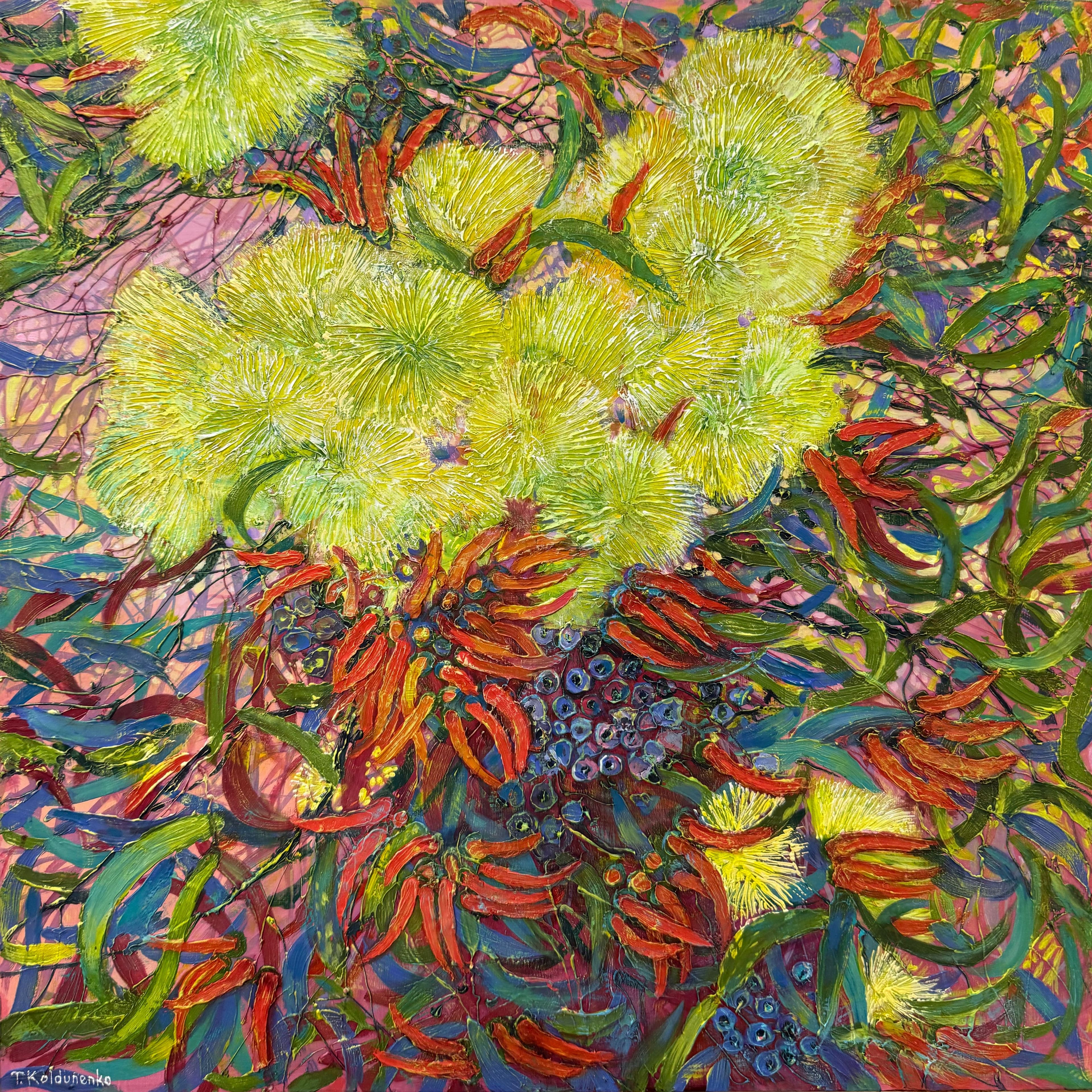
My newest artwork, What the Red Caps Hide: Lime Bloom, was SOLD at the 50x50 Exhibition at Brunswick Street Gallery, Melbourne. This tree portrait is inspired by the extraordinary flowers and seed capsules of Eucalyptus macrandra. The vivid red nut caps seem to guard a surprise beneath them: luminous lime-green blossoms that transform the tree into an explosion of colour. What the Red Caps Hide: Lime Bloom 2026 Acrylic and texture paste on wood 50 × 50 cm 📍 Brunswick Street Gallery Level 1 & 2, 322 Brunswick Street, Fitzroy VIC 3065 🗓 Exhibition: 20 June – 3 July 🥂 Opening Night: Friday 26 June, 6–9 pm 🕙 Open Tue–Sat 10am–5pm | Sun 11am–4pm | Closed Mondays Still time to see the 2026 Fifty Squared Art Prize — Australia’s largest open-call exhibition for wall-based works (50×50cm and under), featuring over 900 artworks. So much incredible work in one space — a true snapshot of contemporary practice.