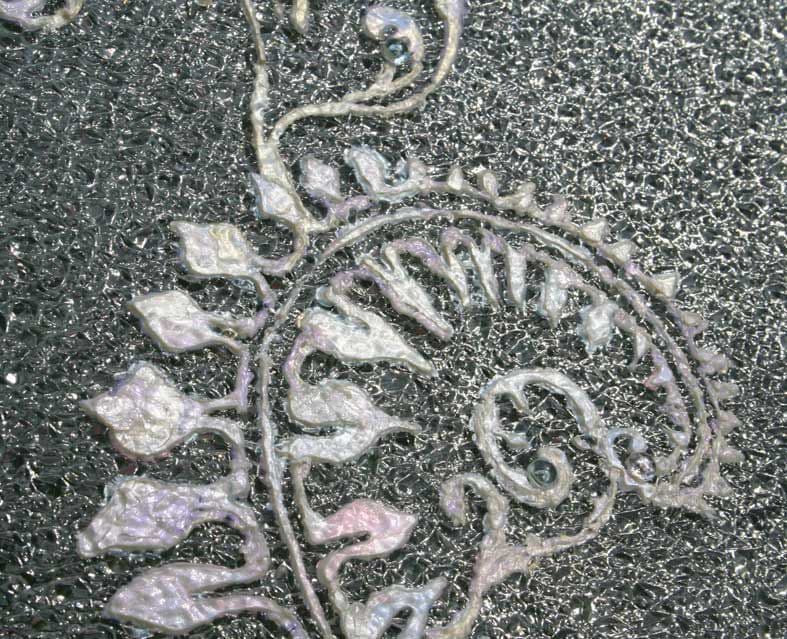
Knowing your tools deeply — how they behave, how they age, how they respond to light and heat — changes the way you work and the confidence with which you make decisions.
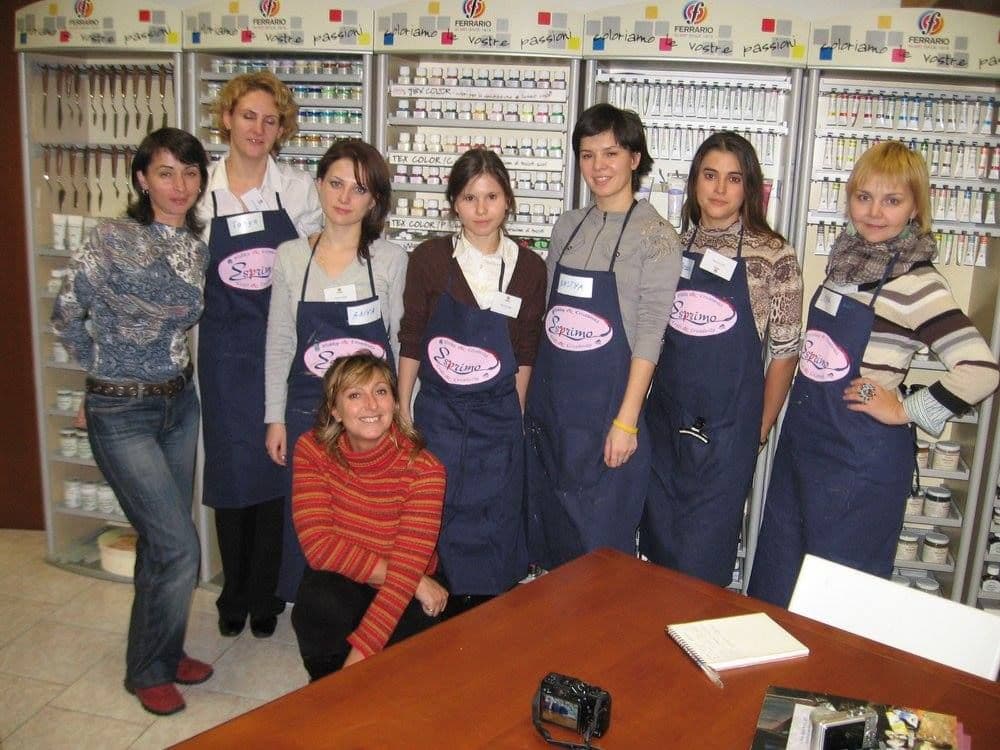
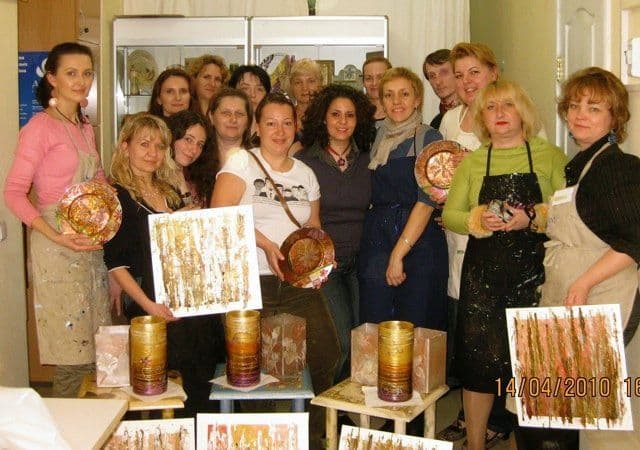
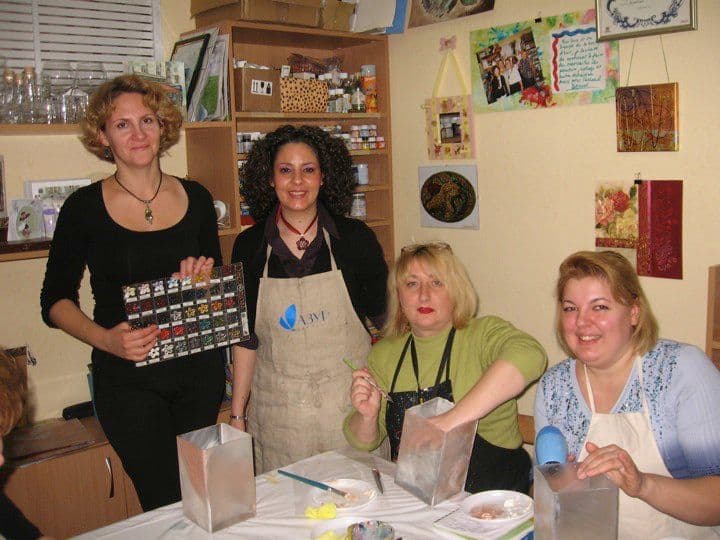
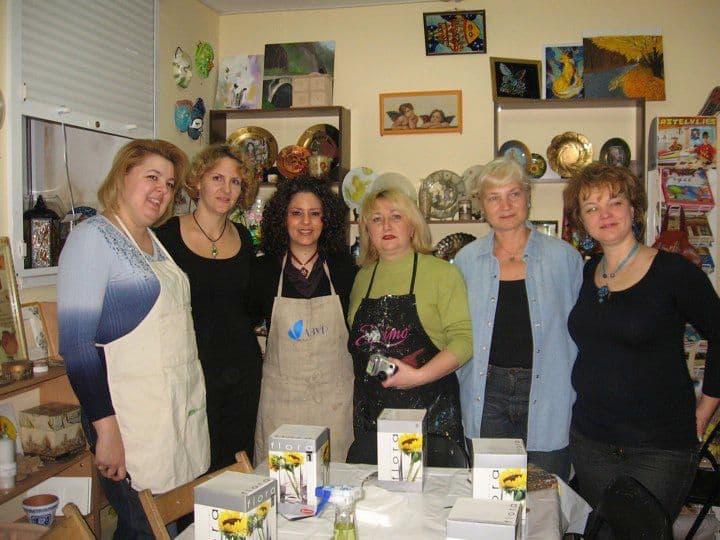
During my time at Azur Studio in Kyiv, we took part in a number of art trips across Europe, visiting paint and medium manufacturers directly. These experiences were invaluable. Being able to ask questions about materials from the people who created them — the chemists, designers, and technicians behind the products — gave us insights no manual or catalogue ever could. Who could know the materials better than those who developed them?
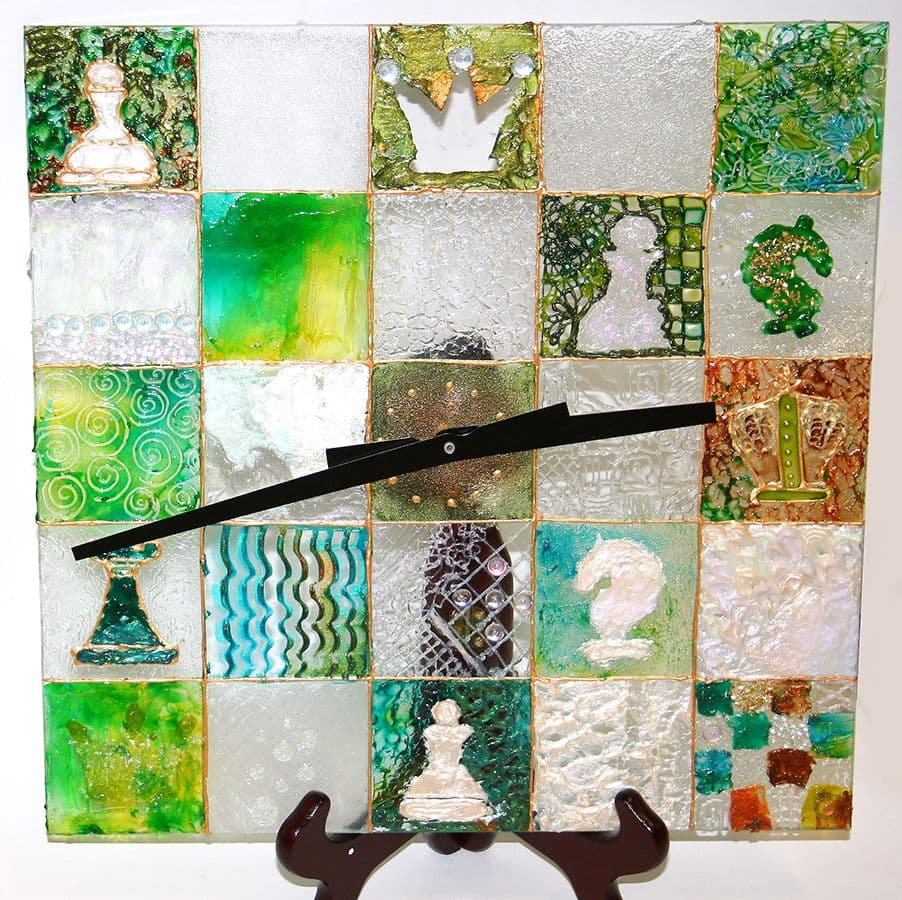
Along the way, we also participated in workshops with local designers who introduced us to the full potential of different gels and pastes, transparent and opaque paints, and specialised products for textile decoration and pseudo stained glass. We explored techniques for creating patina, working with gilding, and layering surfaces in ways that expanded both technical knowledge and creative possibility.
I often find myself missing those times — being surrounded by like-minded professionals, travelling, learning, experimenting, and talking endlessly about what we loved most: paint, surface, and decoration. Those journeys shaped not only my technical approach, but also my respect for materials as active partners in the creative process.
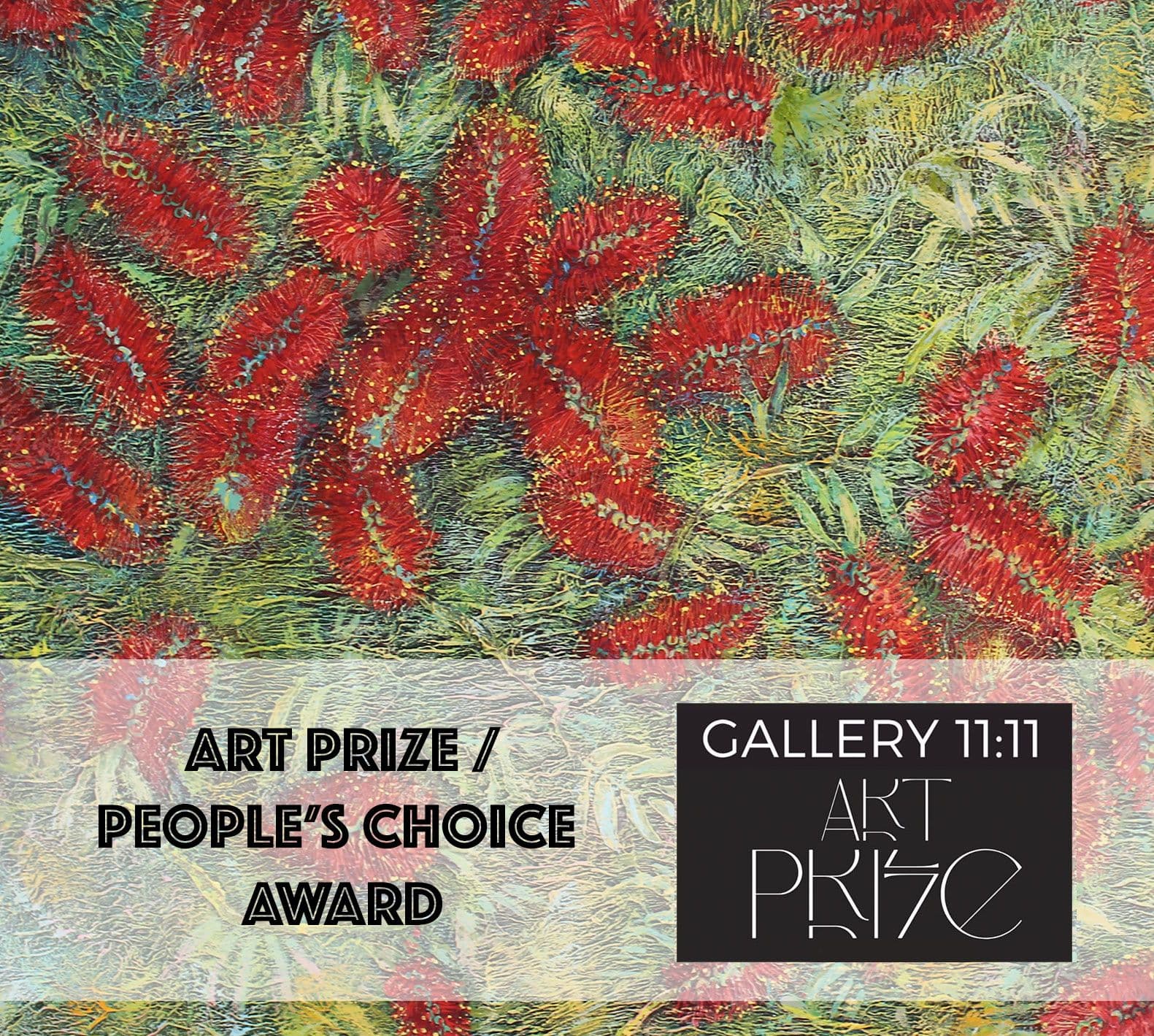
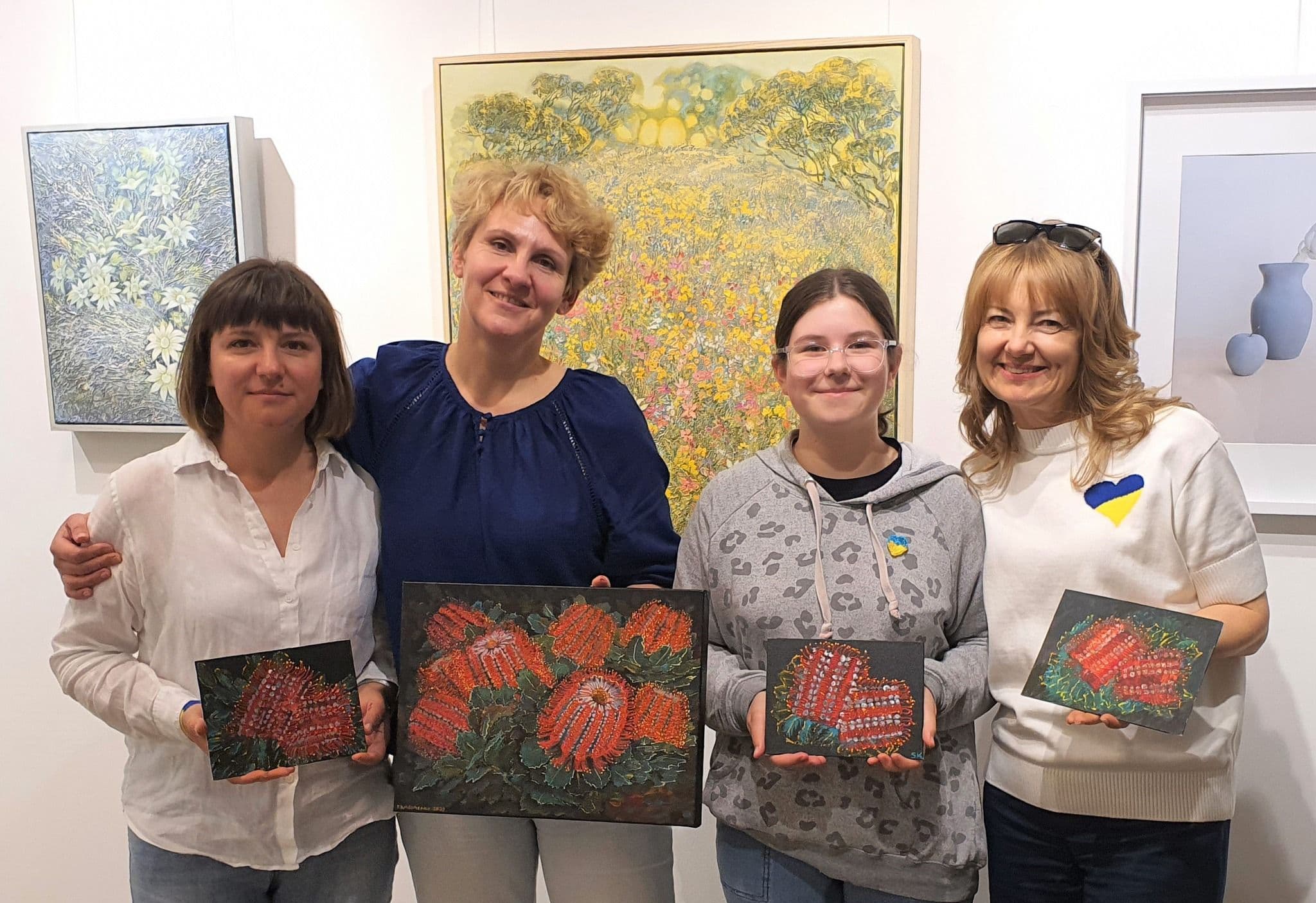
I’m delighted to share that my artwork “Bottlebrush Symphony” received the Gallery 11:11 Art Prize / People’s Choice Award! A heartfelt thank you to everyone who visited the exhibition, voted, and shared in this wonderful experience. Your support, encouragement, and kind words mean so much to me. The winning piece, “Bottlebrush Symphony,” will be available for purchase through the Gallery 11:11 website for the next eight weeks: www.gallery1111.net It was such a joy to celebrate this moment surrounded by art lovers, friends, and the creative community.
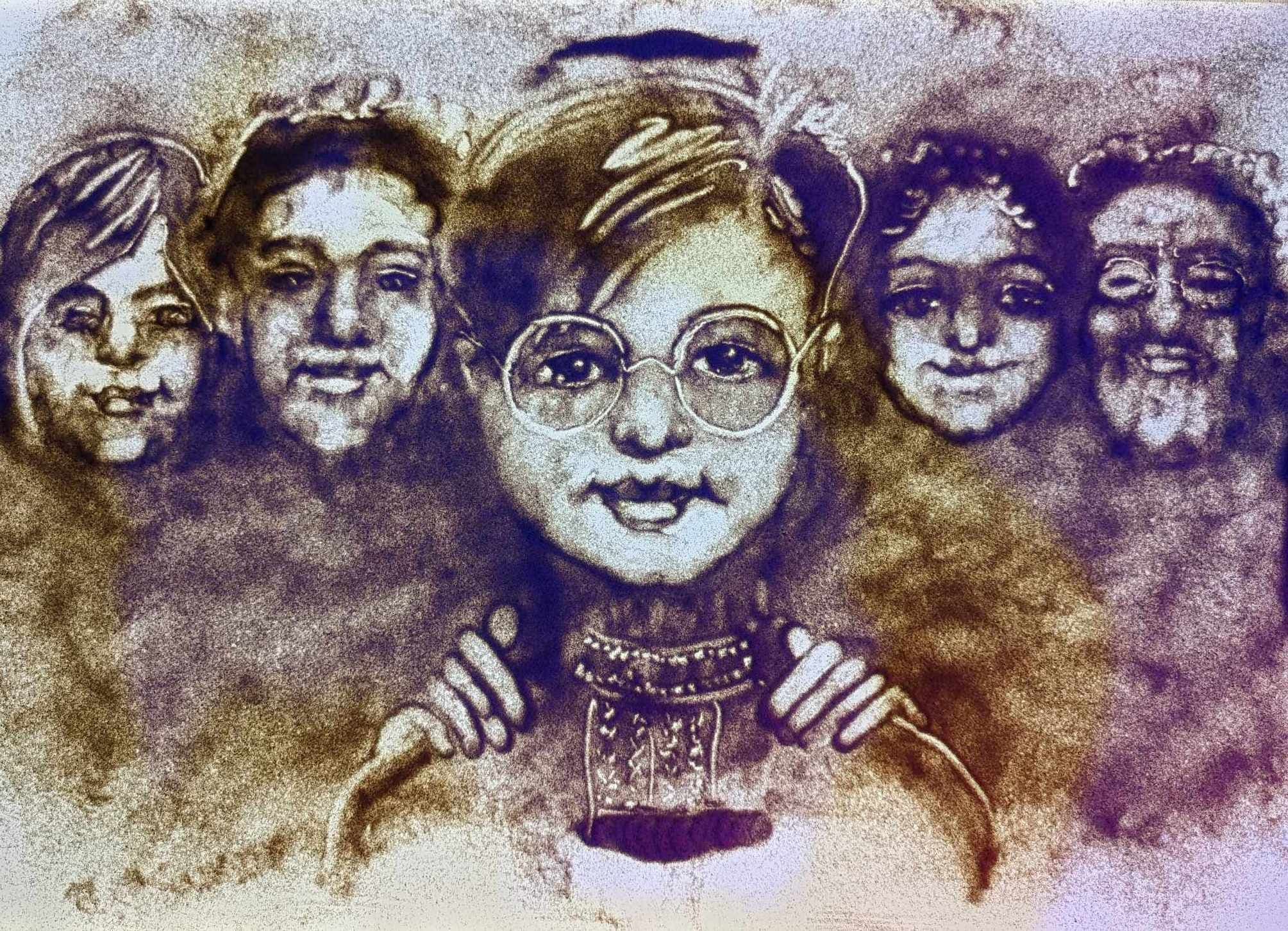
In August 2024, more than 725 guests gathered at Sydney Town Hall to mark the 33rd anniversary of Ukraine’s Independence, standing together in solidarity, pride, and unity. The event, organised by the Ukrainian Council of NSW, unfolded as a powerful theatrical performance sharing Ukraine’s history, culture, and resilience. I took part in the program through live sand animation, accompanying the story of Illia — a brave Ukrainian boy who shared his lived experience on stage. As Illia spoke in front of the audience, I illustrated his words in real time with sand, allowing the images to emerge and dissolve alongside his voice. The story was deeply moving — painful, yet filled with hope for a better future. Working with sand live on stage brings its own challenges. Under pressure, with nerves and lights, even something as simple as sand becomes unpredictable — warm palms, fine grains sticking to skin, moments that cannot be undone. But perhaps that fragility is exactly what made the experience so honest. Illia’s story was shared with remarkable courage. At just twelve years old, he stood before the audience to tell the truth of what he had lived through. A video of this performance is available, featuring Illia Kyrychenko, with sand animation by Tetiana Koldunenko, and script, direction, and filming by Kateryna Kyrychenko. It was an honour to be part of a moment where story, image, and human strength met on one stage.