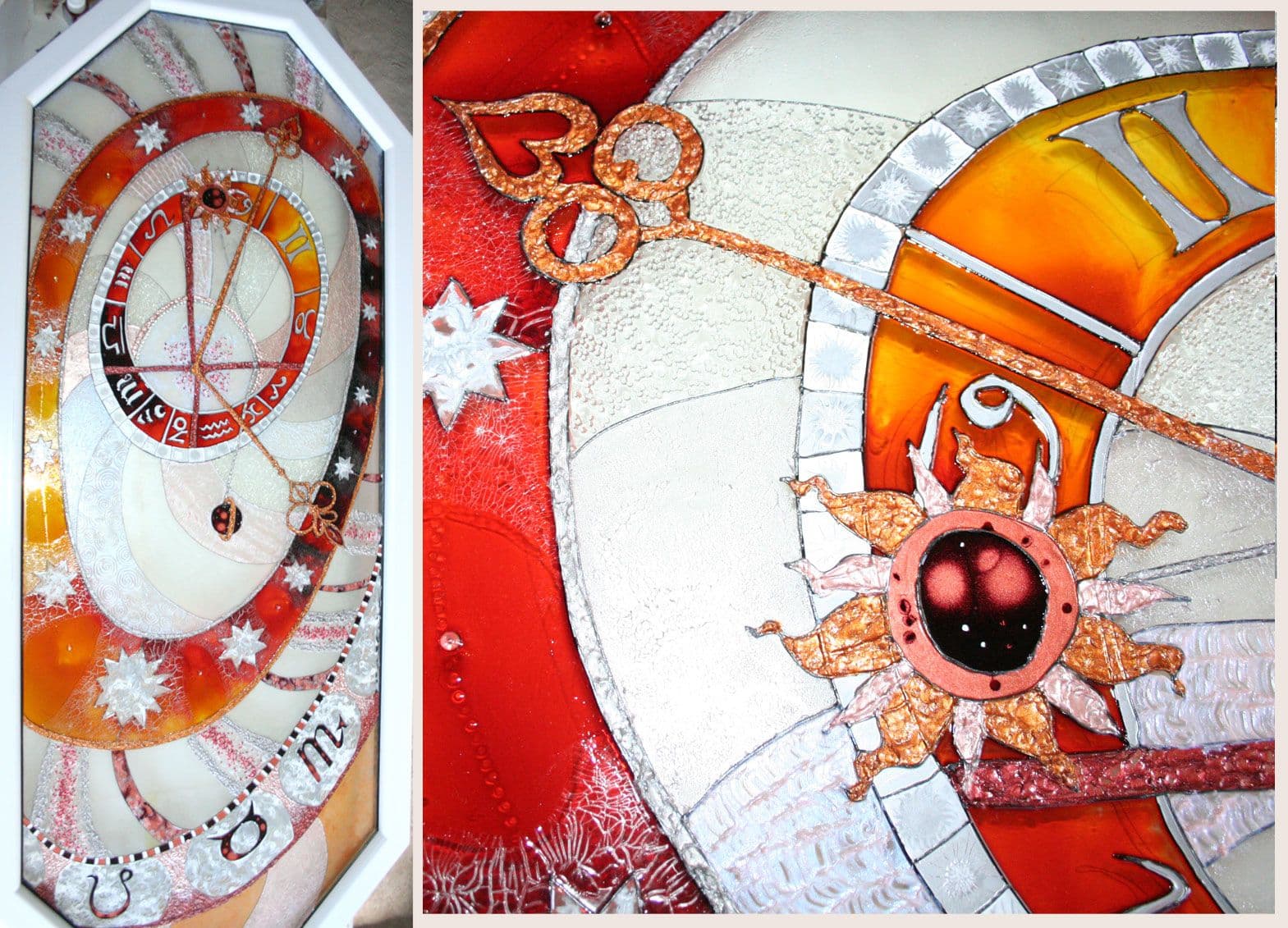
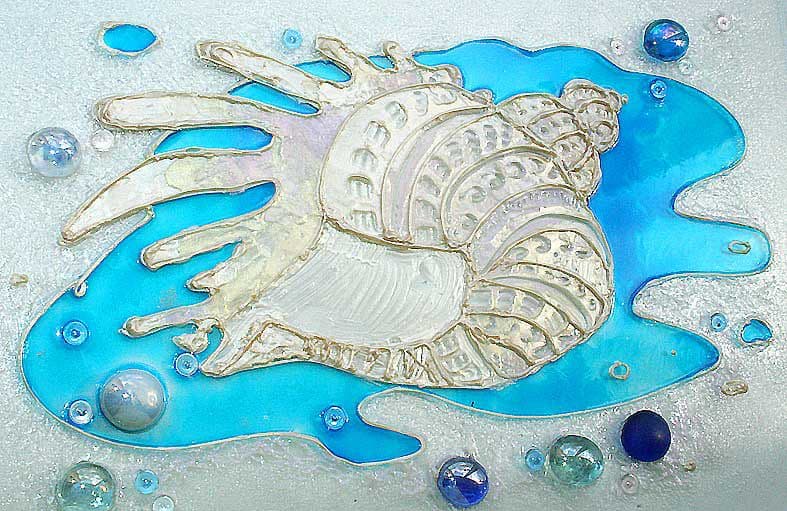
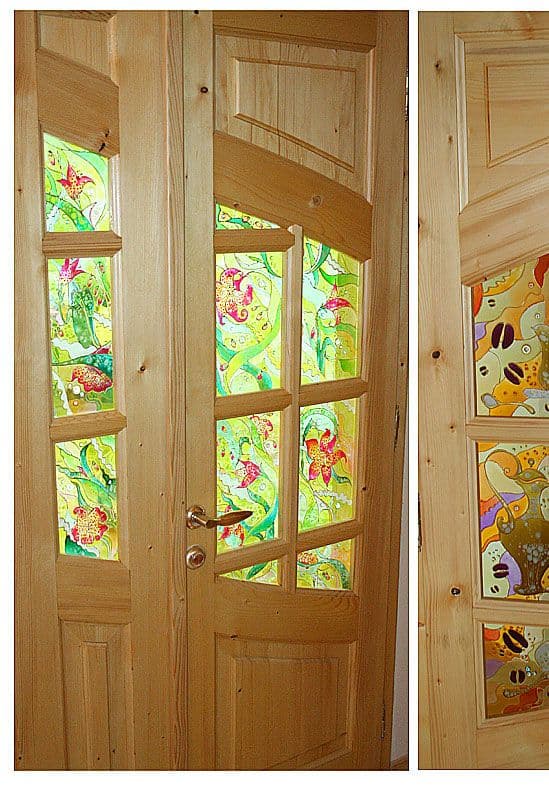
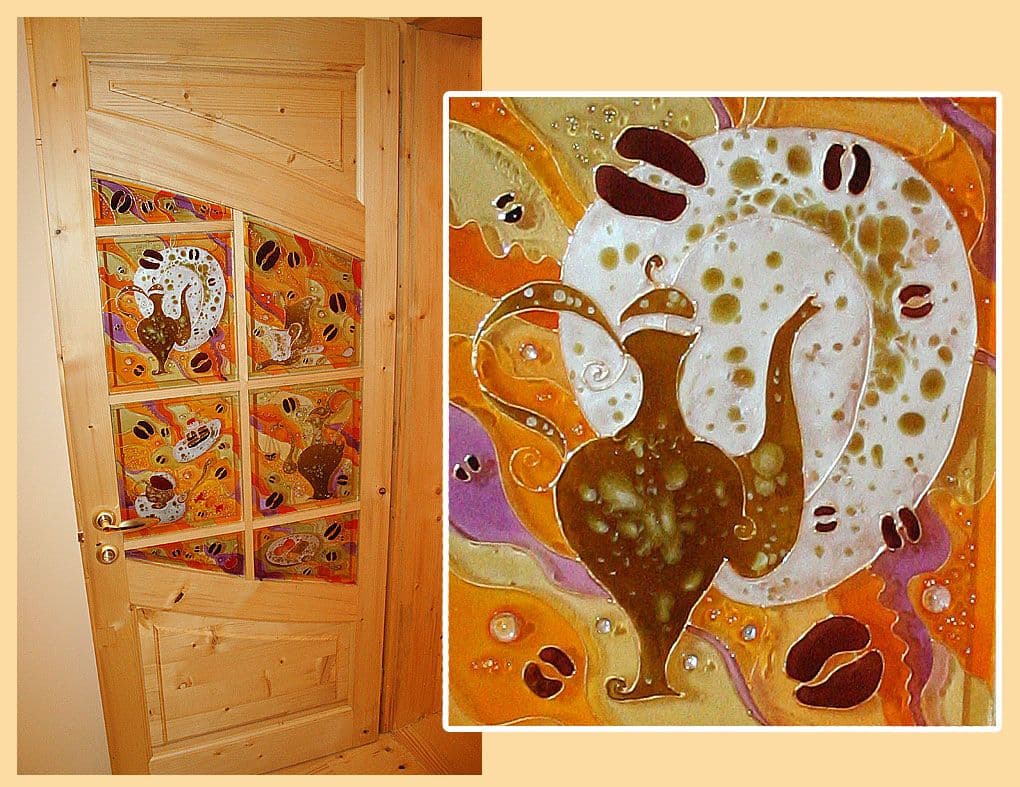
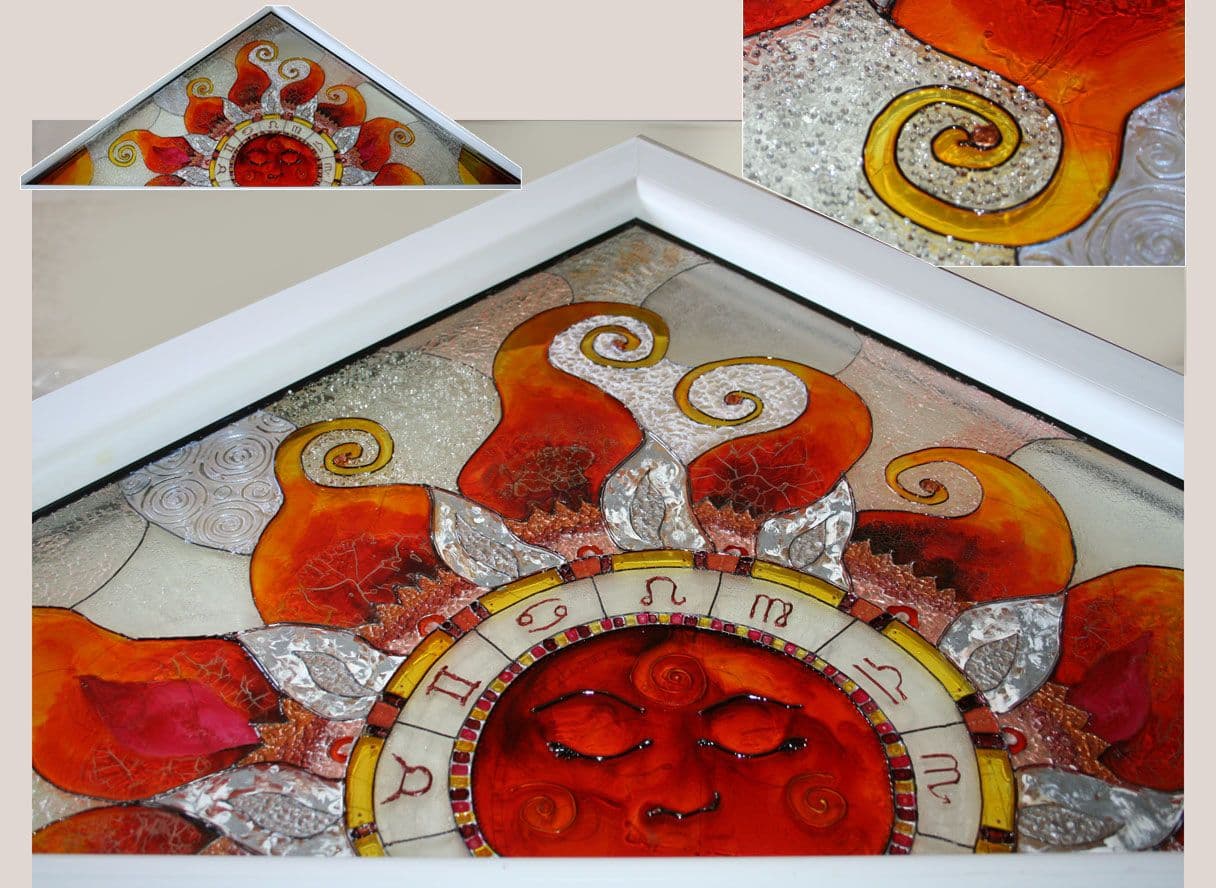
Pseudo stained glass is a refined decorative art technique that transforms doors, windows, and interior objects into luminous design features. Created with special transparent paints, this approach allows light to pass through the surface, filling the room with colour and creating a soft, fairytale-like atmosphere within the interior. When daylight moves through the painted surface, the colours come alive, subtly shifting throughout the day and enhancing the emotional quality of the space.
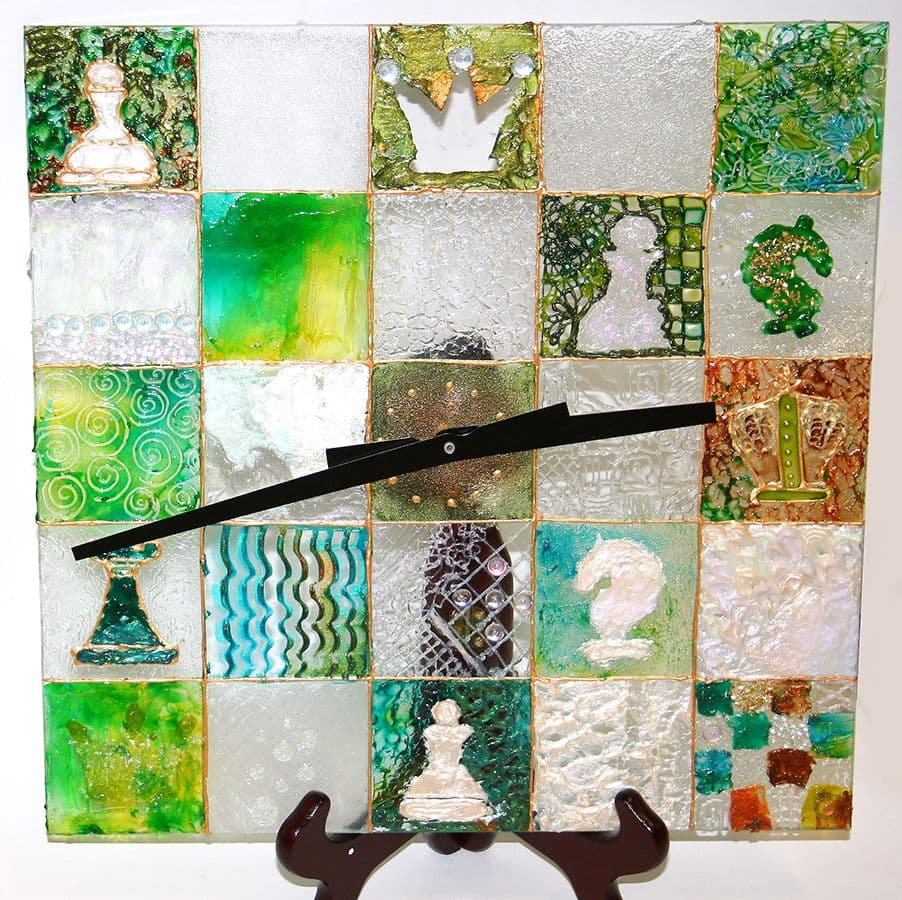
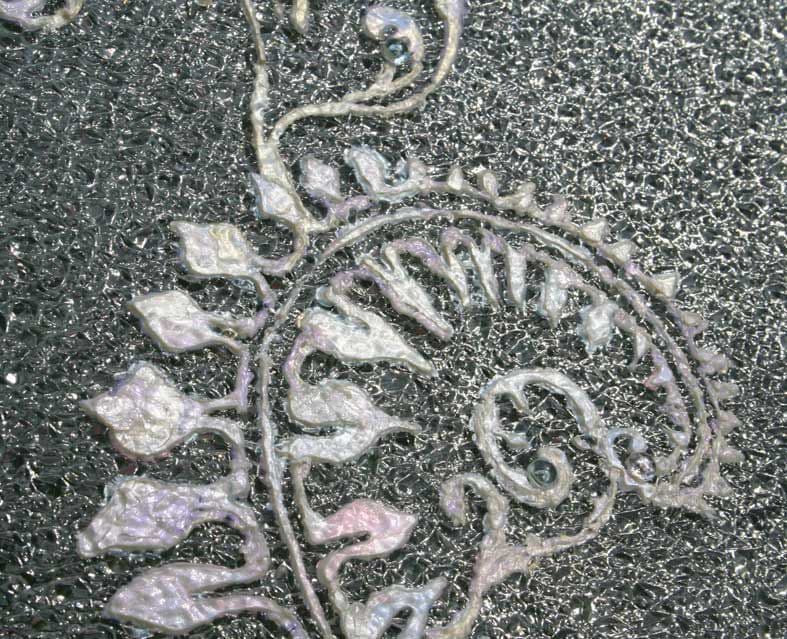
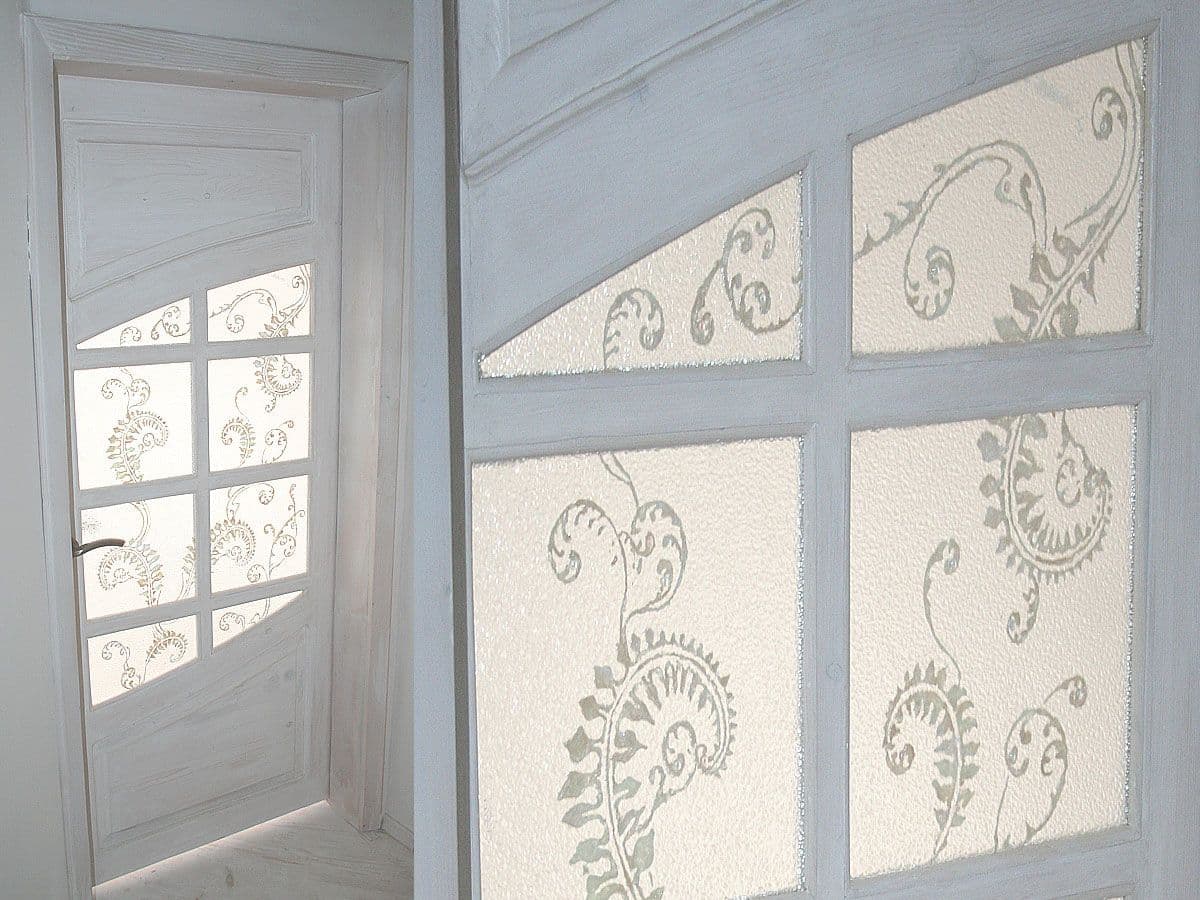
One of the key advantages of pseudo stained glass is its ability to match and enhance the existing interior style. From soft, minimal colour schemes to more expressive, ornamental designs, each piece is created in dialogue with the architecture, materials, and colour palette of the room. The artwork becomes an integrated part of the interior rather than a separate decorative element.
Pseudo stained glass works beautifully as an accent feature or as a focal point, adding depth, warmth, and a sense of wonder. It is particularly effective in spaces where natural light plays an important role, turning everyday architectural elements into sources of colour and atmosphere.
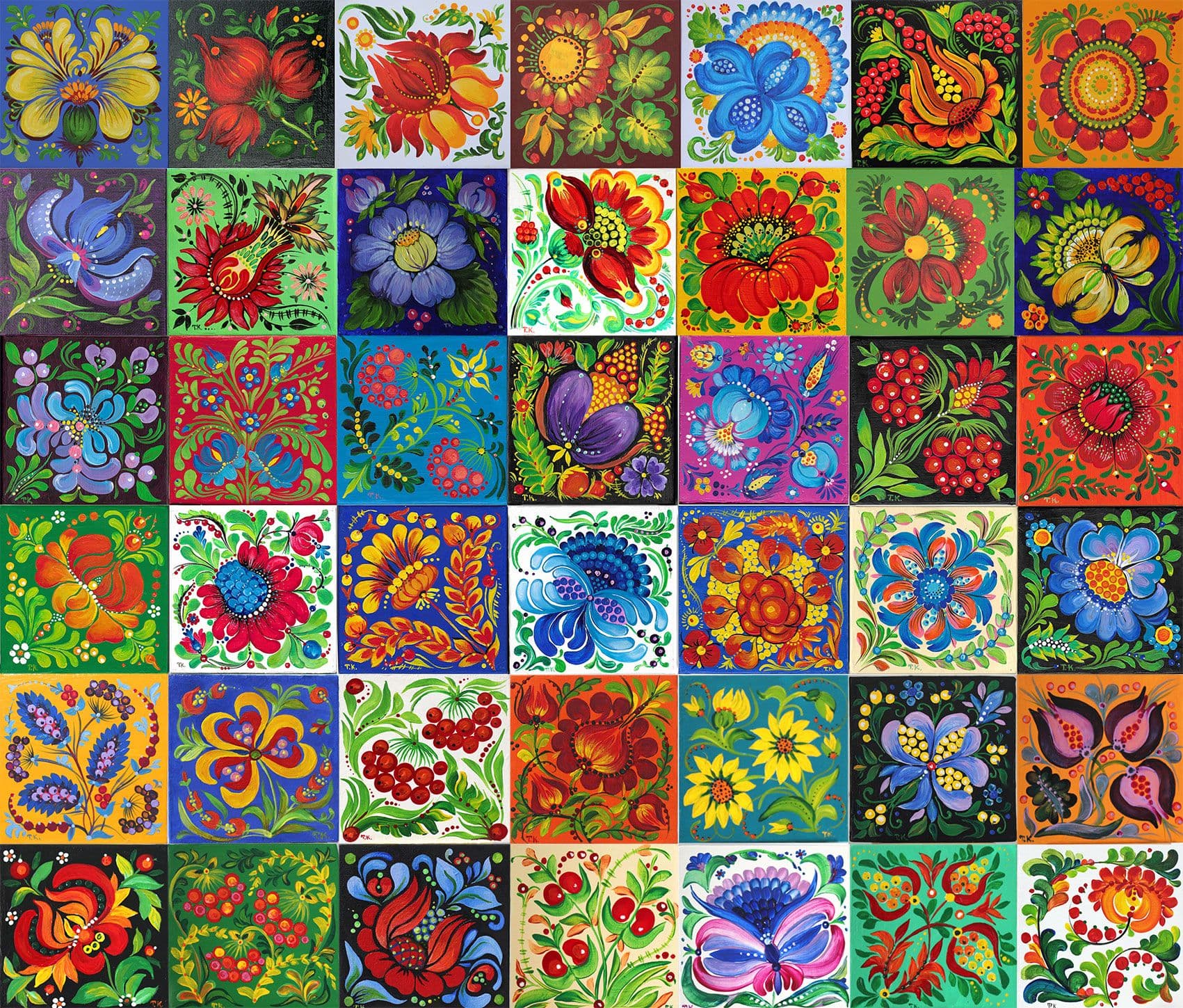
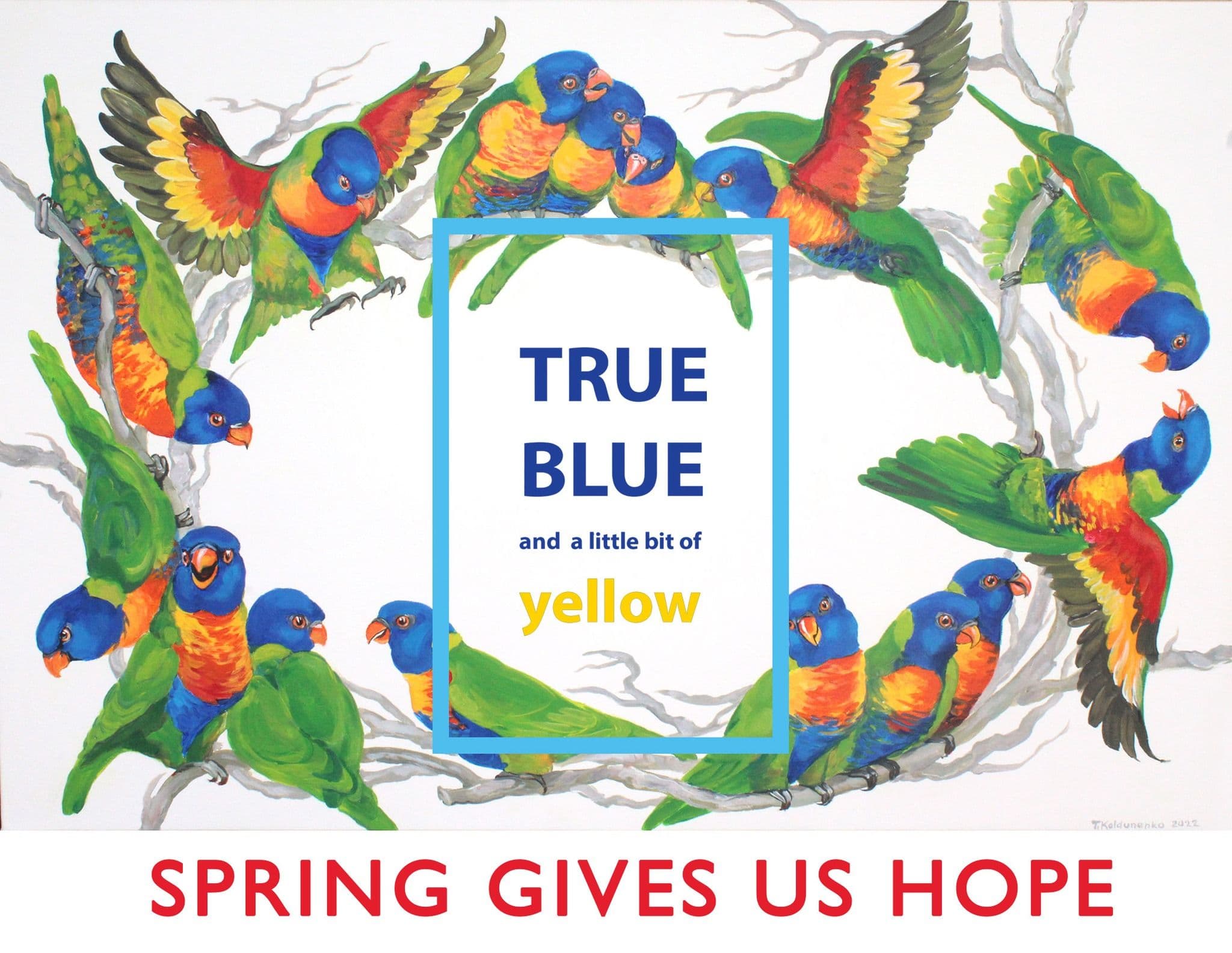
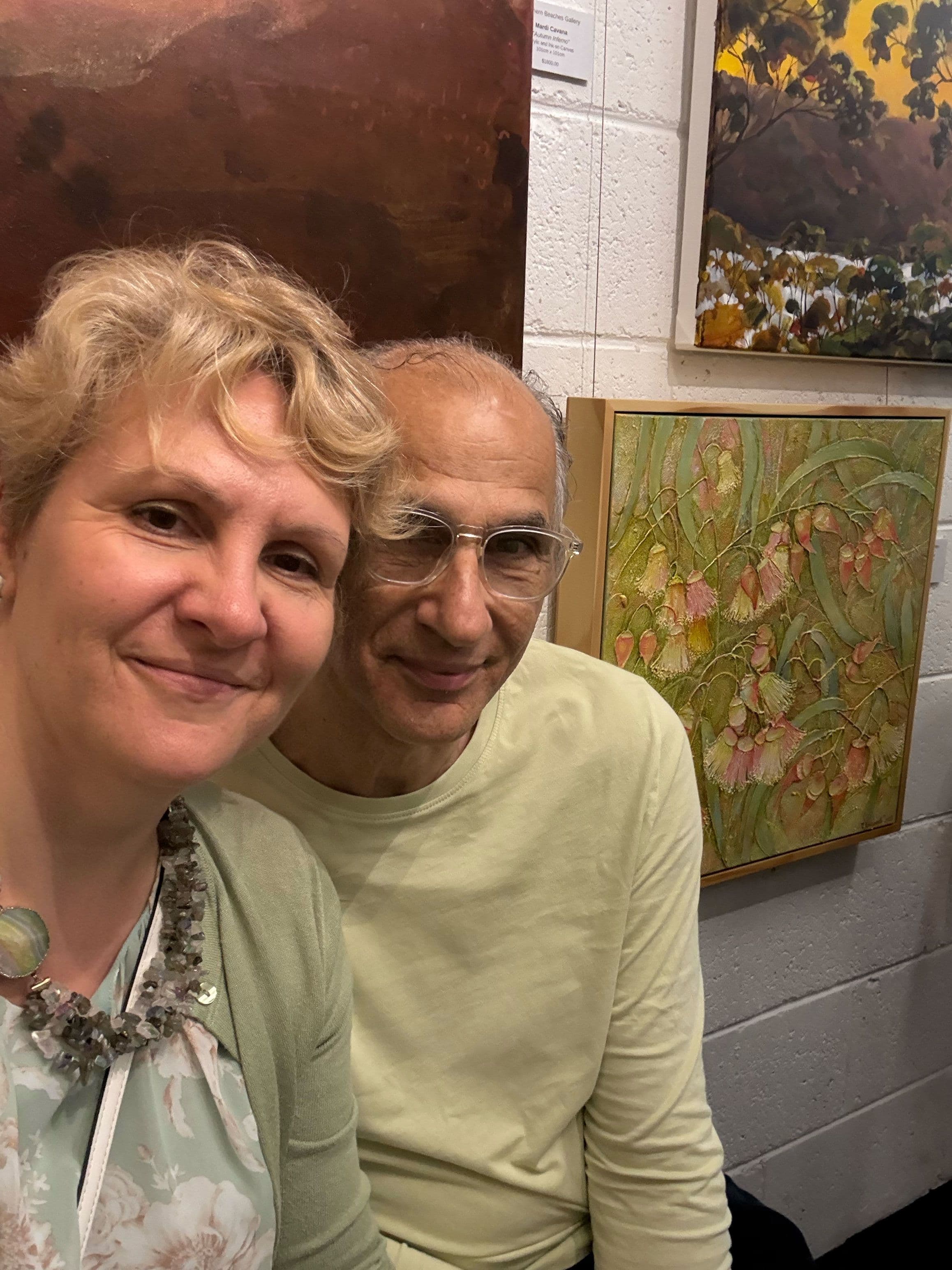
Spring Gives Us Hope was a fundraising exhibition by True Blue & a Little Bit of Yellow, held at Mona Vale Pop-Up Gallery on Sydney’s Northern Beaches from 17–28 October 2022. Unstoppable in our commitment, we continued to paint, exhibit, and raise funds to support those in need, using art as a way to respond, connect, and help. The exhibition was filled with colour and optimism — flowers, birds, and vibrant palettes came together to reflect renewal, resilience, and the emotional lift that spring brings. It was an uplifting visual response during a difficult time, offering light and hope through art. We are deeply grateful to everyone who visited, supported the exhibition, and purchased artworks. Your generosity made a real difference. Knowing that, once again, art could help support the people of Ukraine is something that continues to warm our hearts.