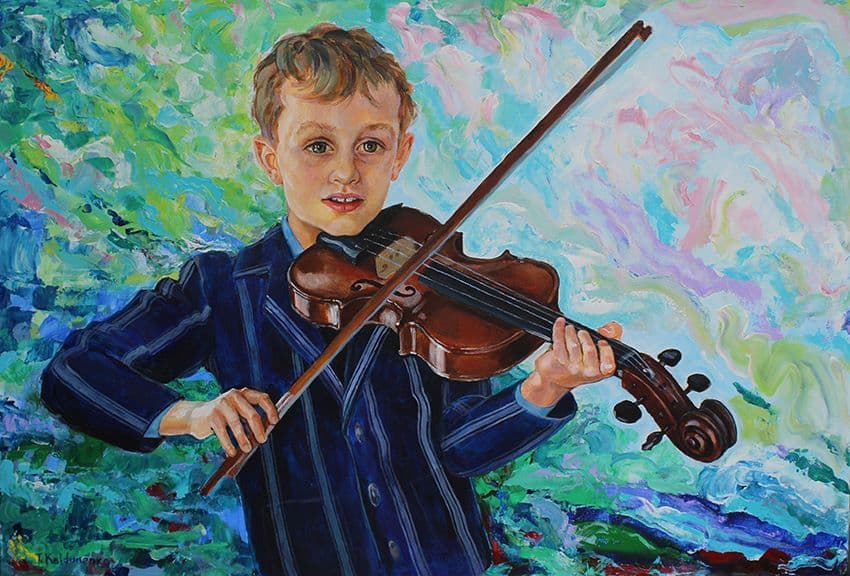
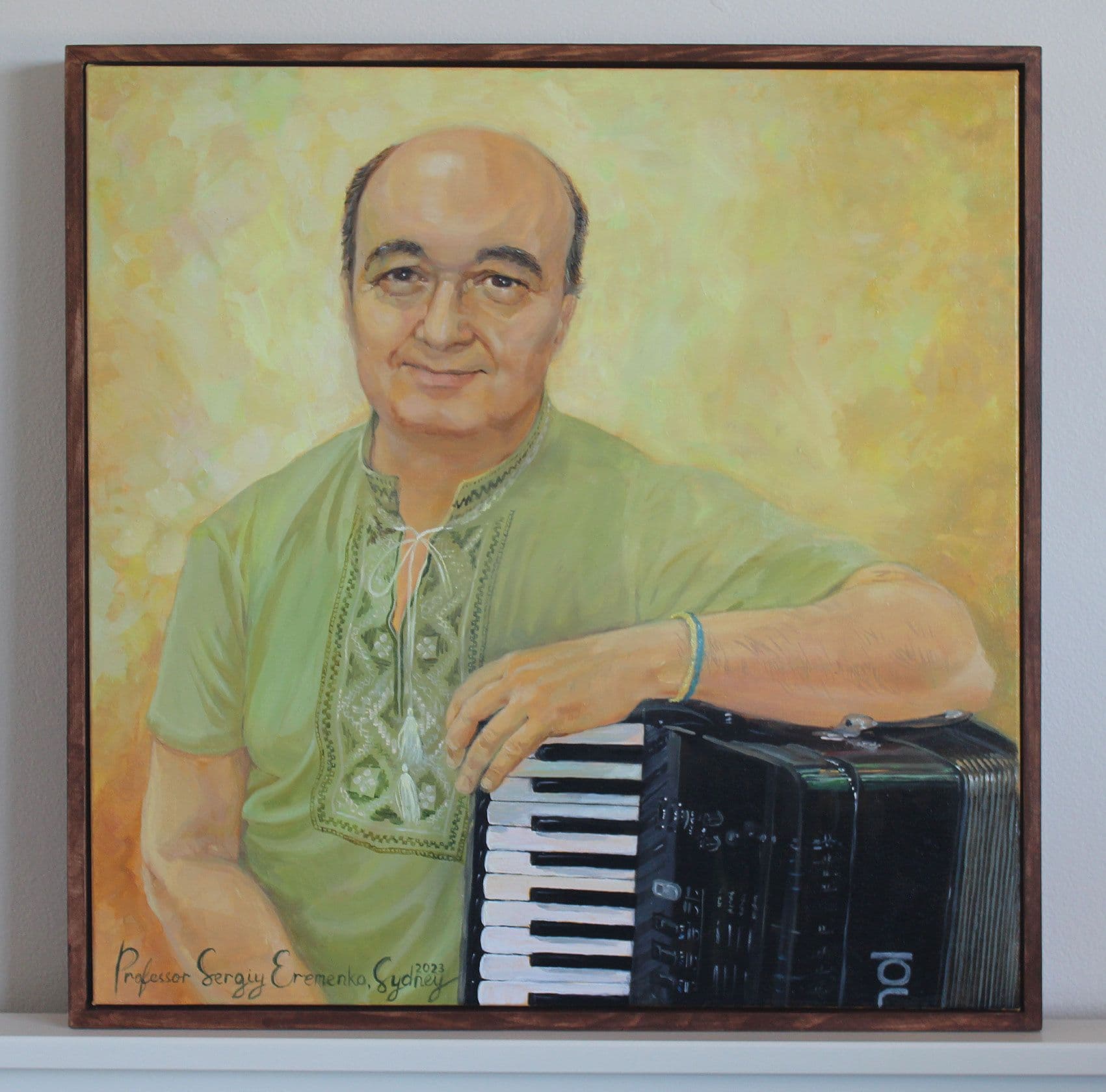
From time to time, someone commissions a portrait not simply as an artwork, but as a way to preserve a presence — a face, a character, a moment in life meant to last beyond the present. Portraits hold a unique place in art because they are created with the future in mind, becoming part of a family’s visual history.
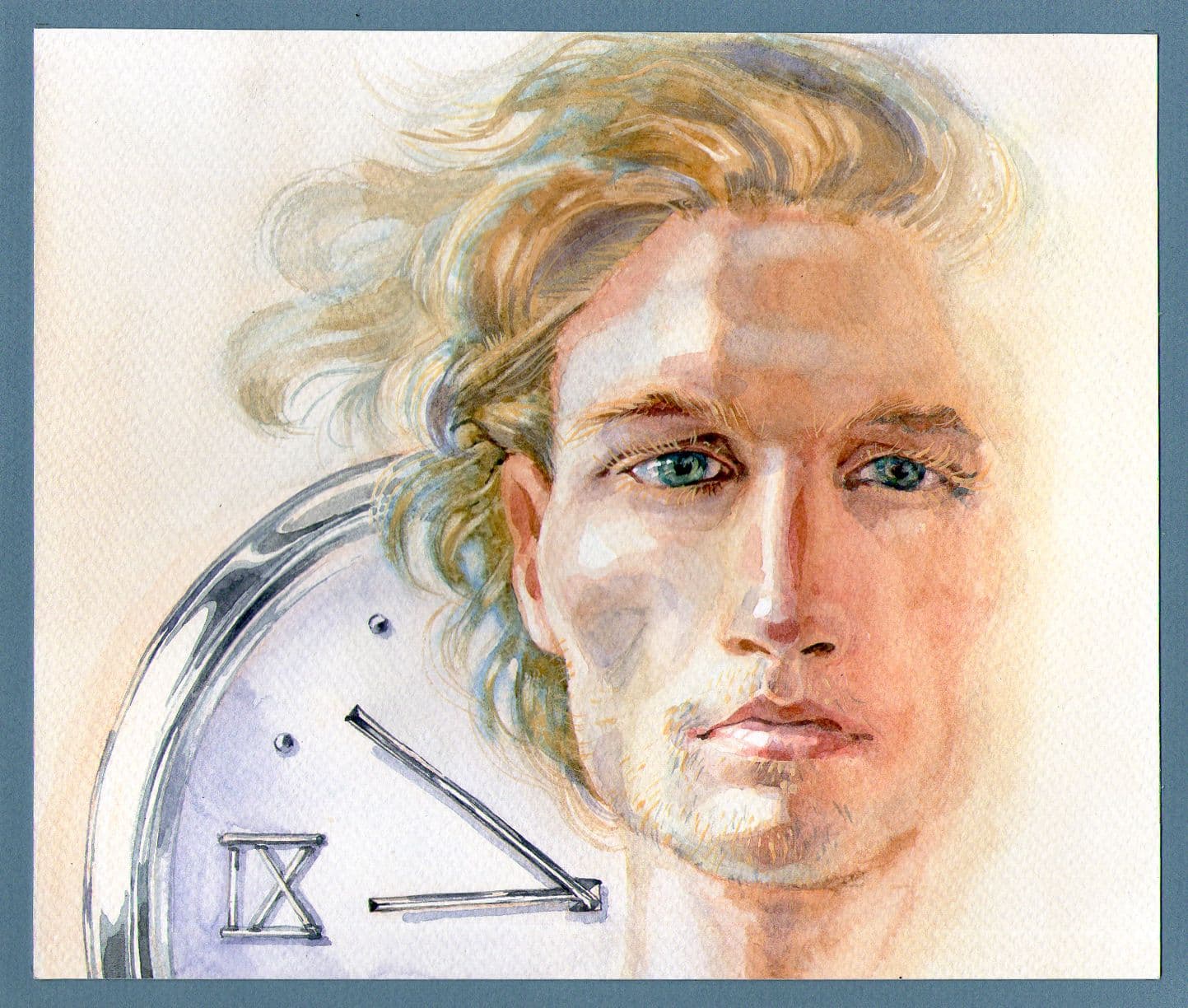
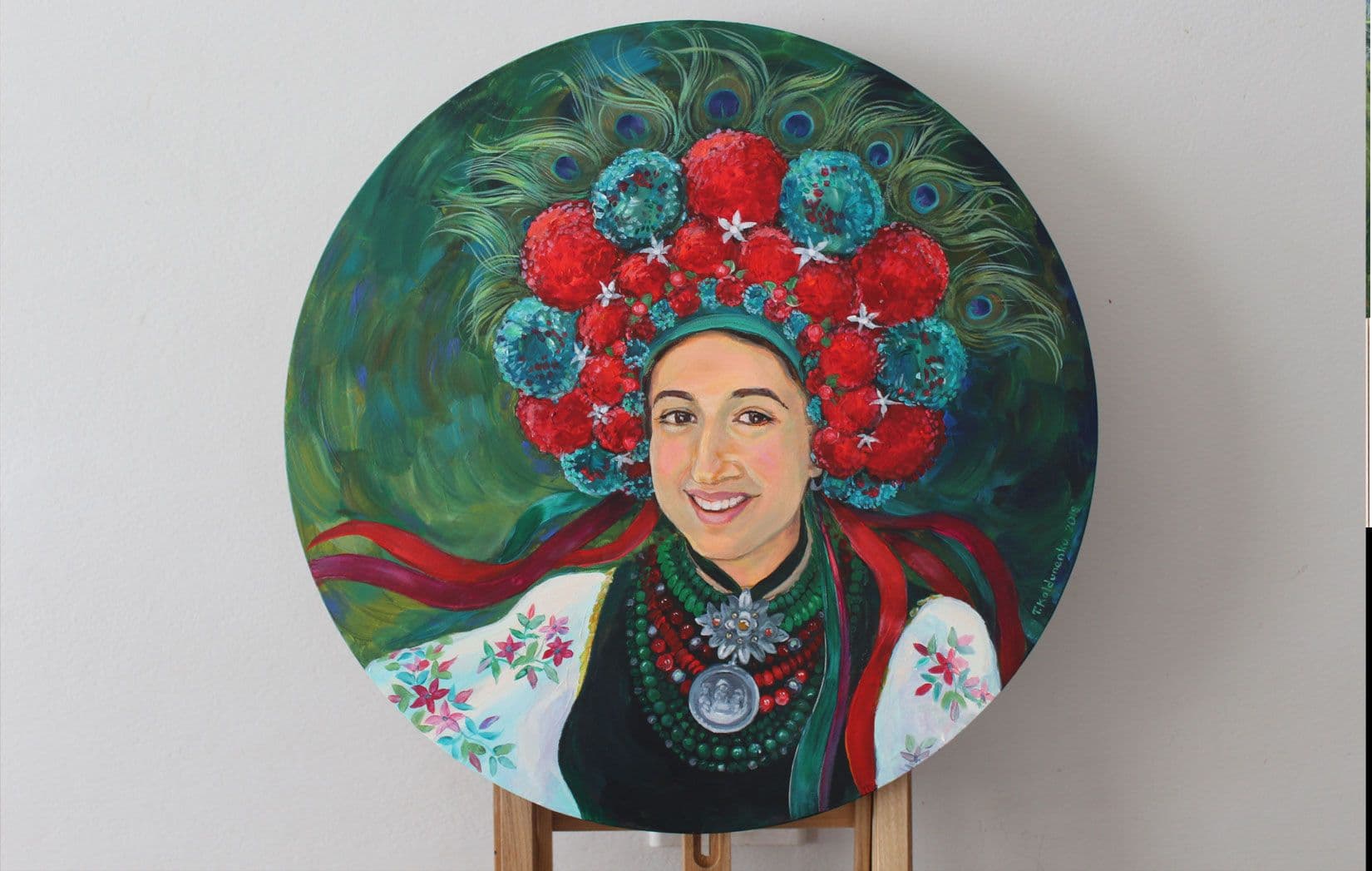
When I work on a portrait, my focus goes beyond likeness. I look for what makes a person recognisable to those who love them — a certain expression, a posture, a quiet strength or warmth that speaks of who they are. These details are often subtle, but they are what transform a portrait into something deeply personal.
Commissioned portraits are often created to mark important moments: a milestone, a legacy, or a tribute. Over time, they become witnesses to family stories, passed from one generation to the next, carrying memory, identity, and connection.
For me, creating a portrait is a shared process built on trust and attentiveness. It is about honouring the individual and creating a work that will continue to speak long after the sitting has ended — a lasting memory, held in paint.
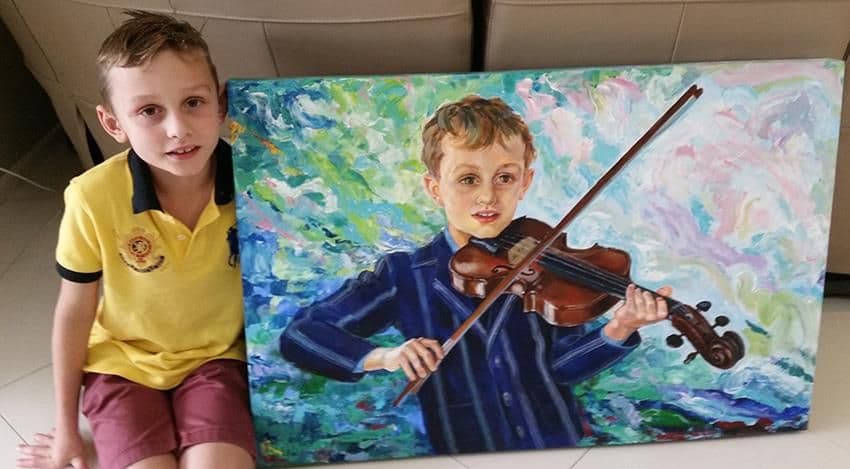
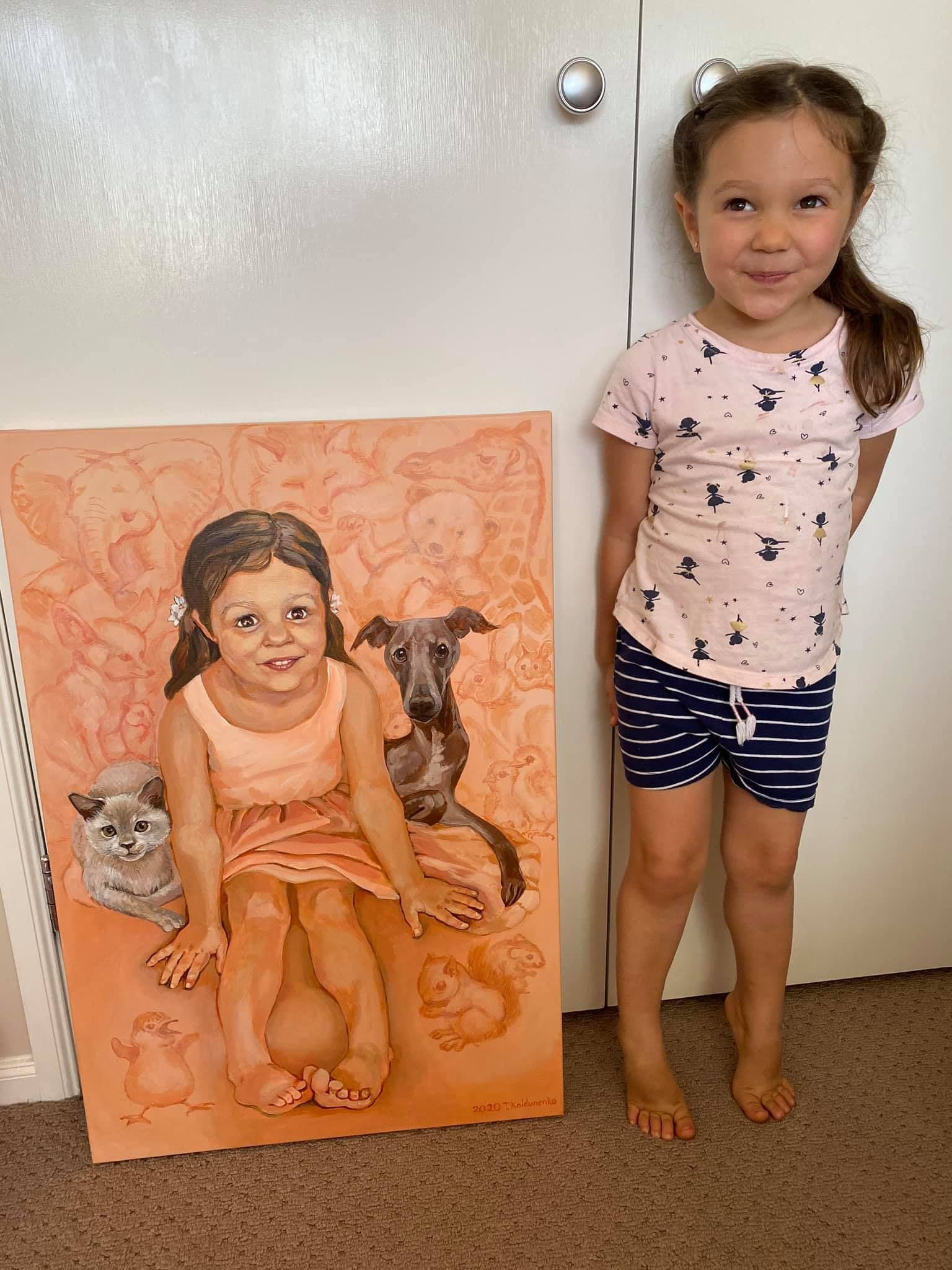
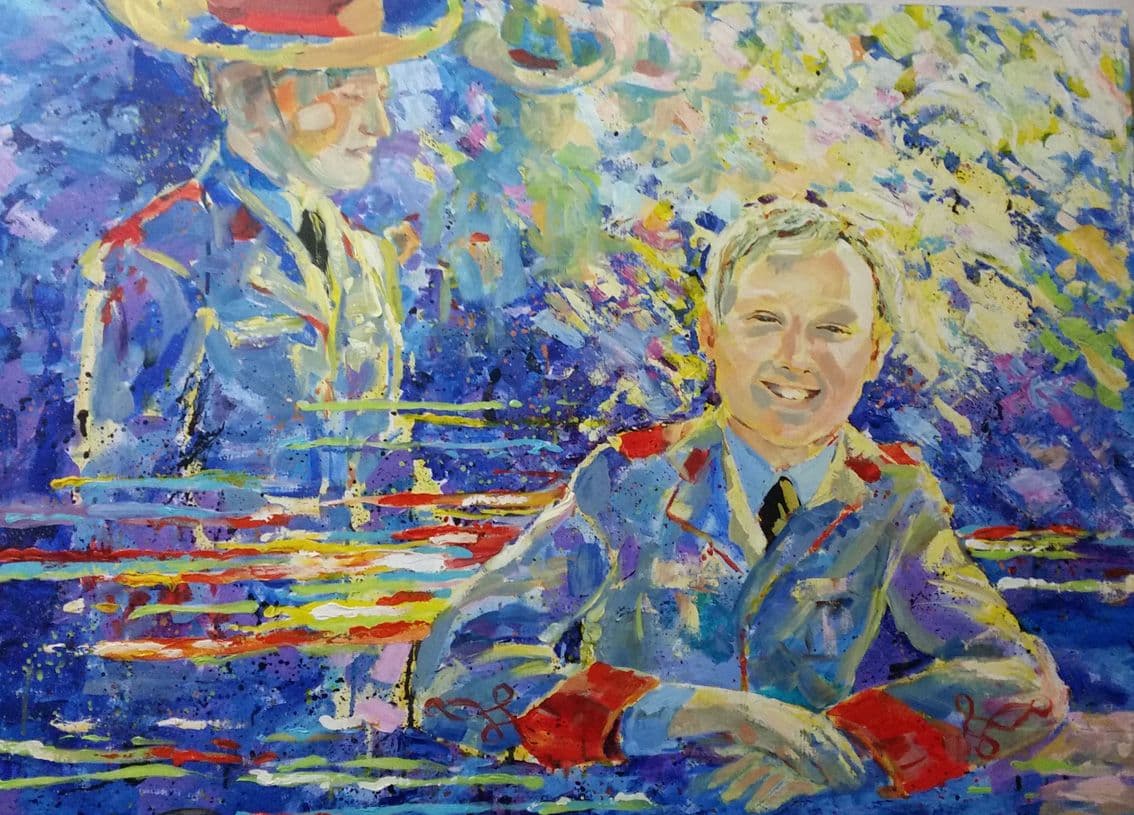
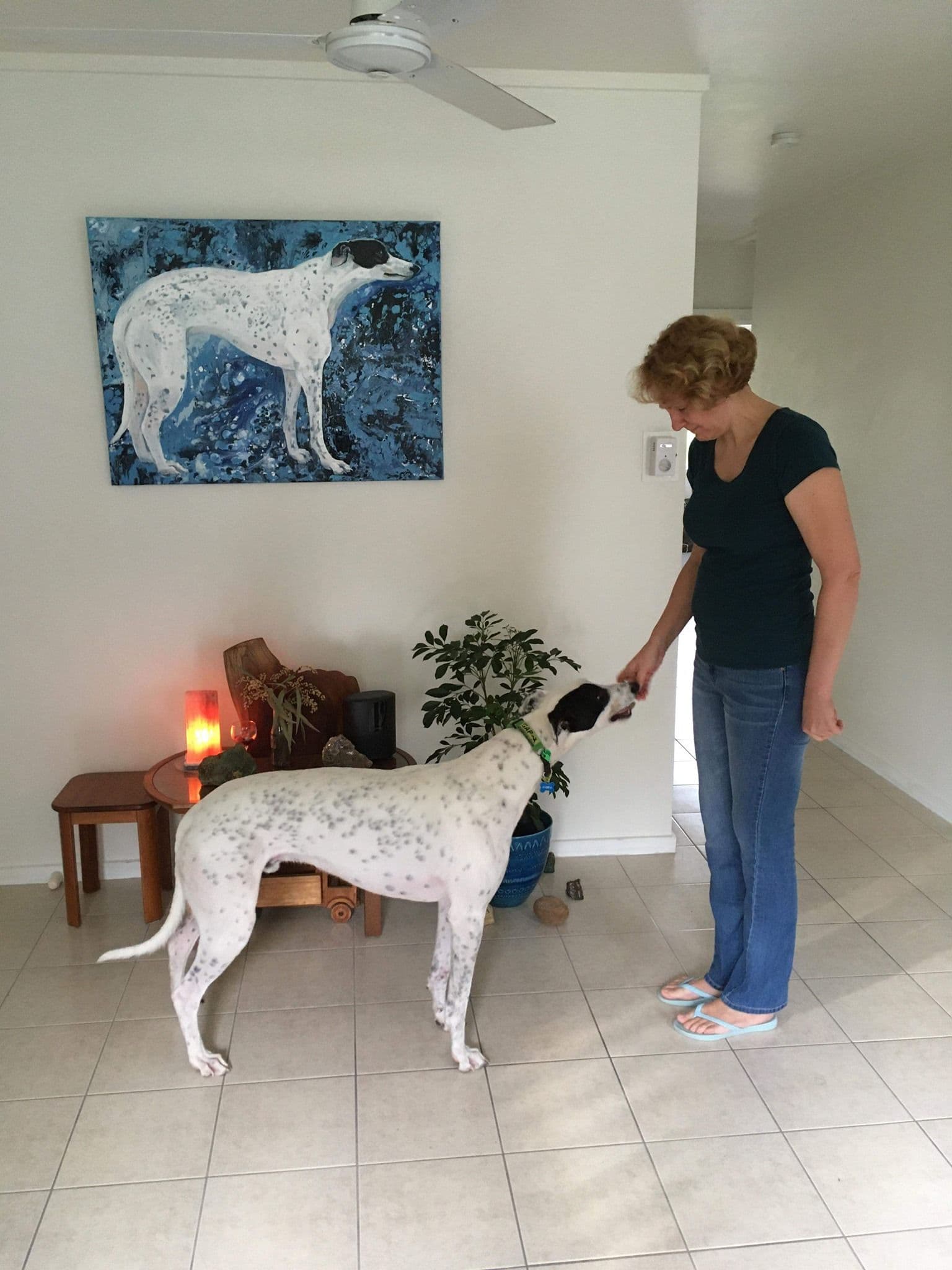
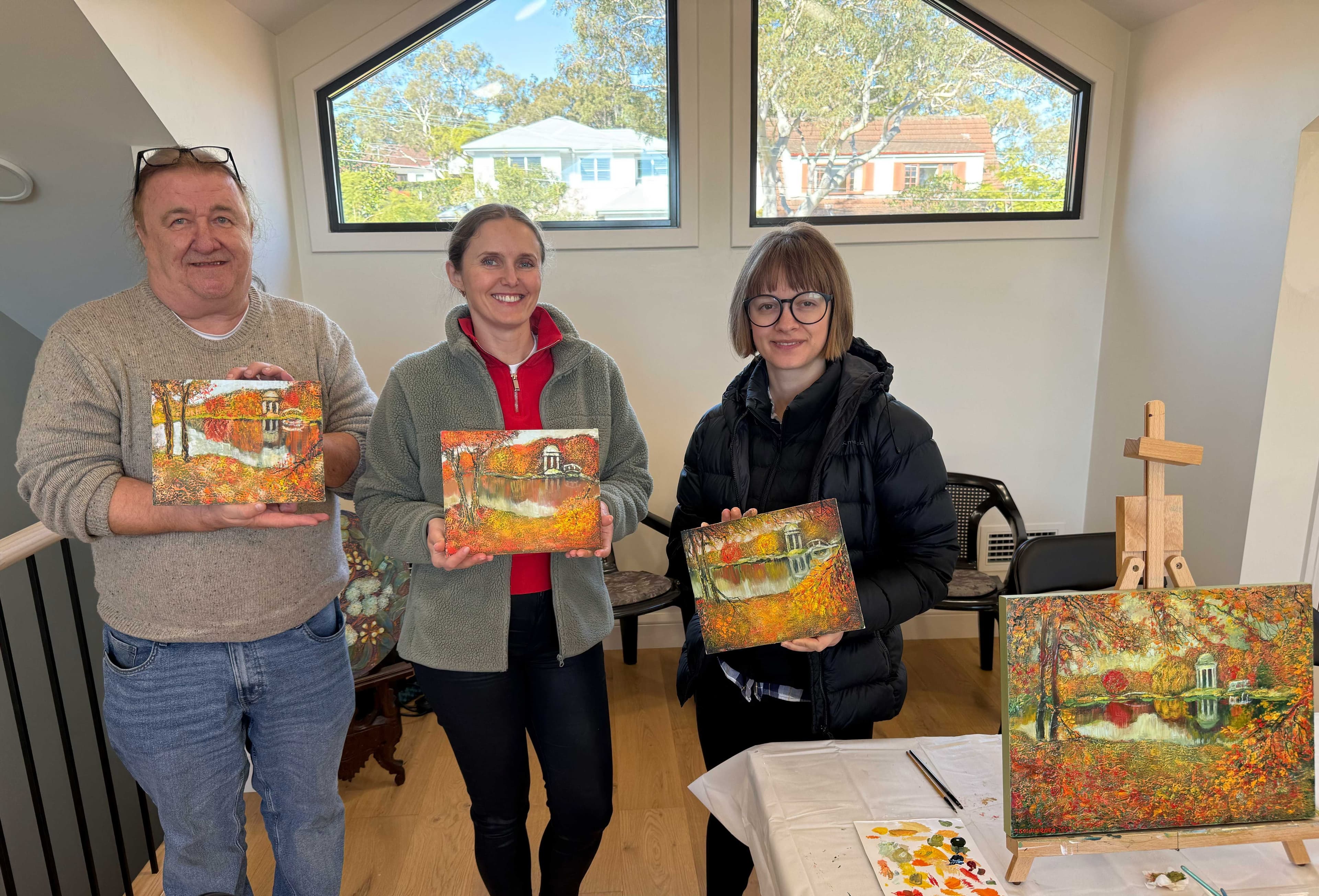
A Look Back at Our Winter Workshops 🌿🎨 We had some very enjoyable workshops in the studio over winter! With small groups, I can give each person the attention they need, demonstrate the techniques closely, and help everyone achieve a successful result. I’m especially proud of those who had never picked up a paintbrush before. Seeing them start with no experience and finish with a painting they are genuinely proud of is one of the most rewarding parts of teaching. We experimented with different techniques, materials and approaches to painting — and, of course, had a lot of fun along the way. Here are some of the results from our winter workshops. I think everyone did a fantastic job!
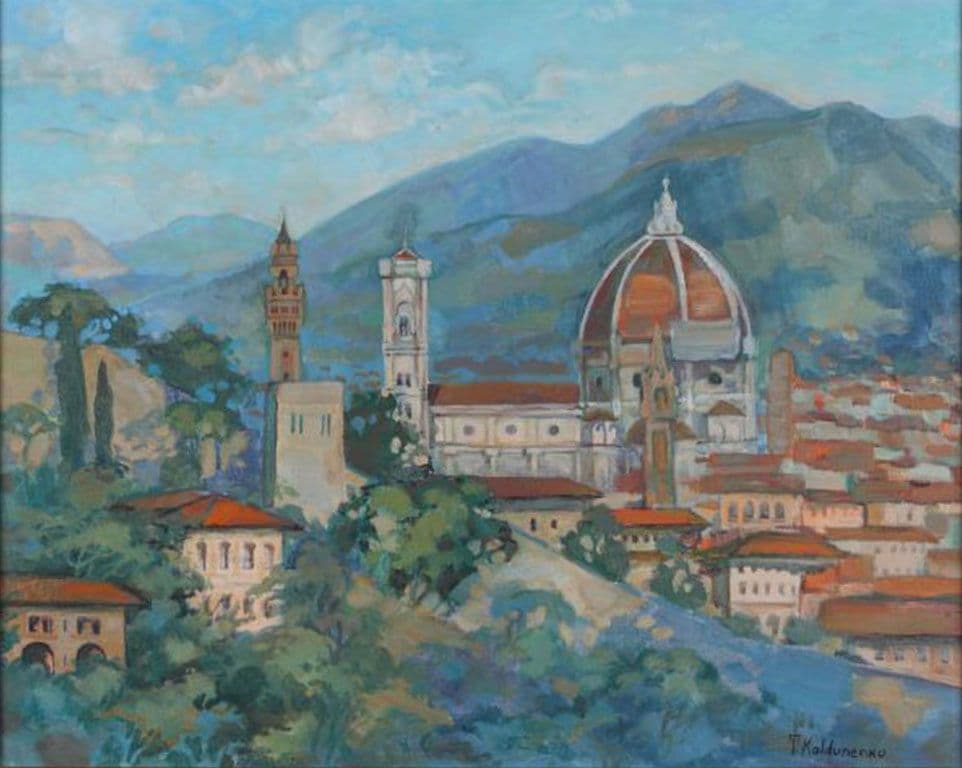
My journey with oil painting began in year 7, when I was studying at the State Secondary Art School in Kyiv, Ukraine — a highly selective school that required passing three entrance exams in painting, drawing, and composition. It was there that we transitioned from watercolours and gouache to the timeless medium of oils. I’ve always loved this classical medium. Oils have a long and rich tradition in fine art, and I’ve admired their depth, luminosity, and the way colours blend so seamlessly on the canvas. Working with oils teaches patience and reflection — they dry slowly, giving time to build layers with care and intention. I feel incredibly fortunate to have received proper academic training in the classical use of oils, alongside in-depth knowledge of anatomy, linear perspective, perception principles, and art history. That foundation continues to shape how I see and create today, allowing me to appreciate not only the technique but also the discipline and history behind every brushstroke.