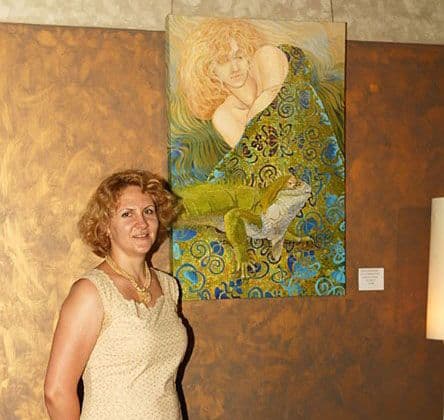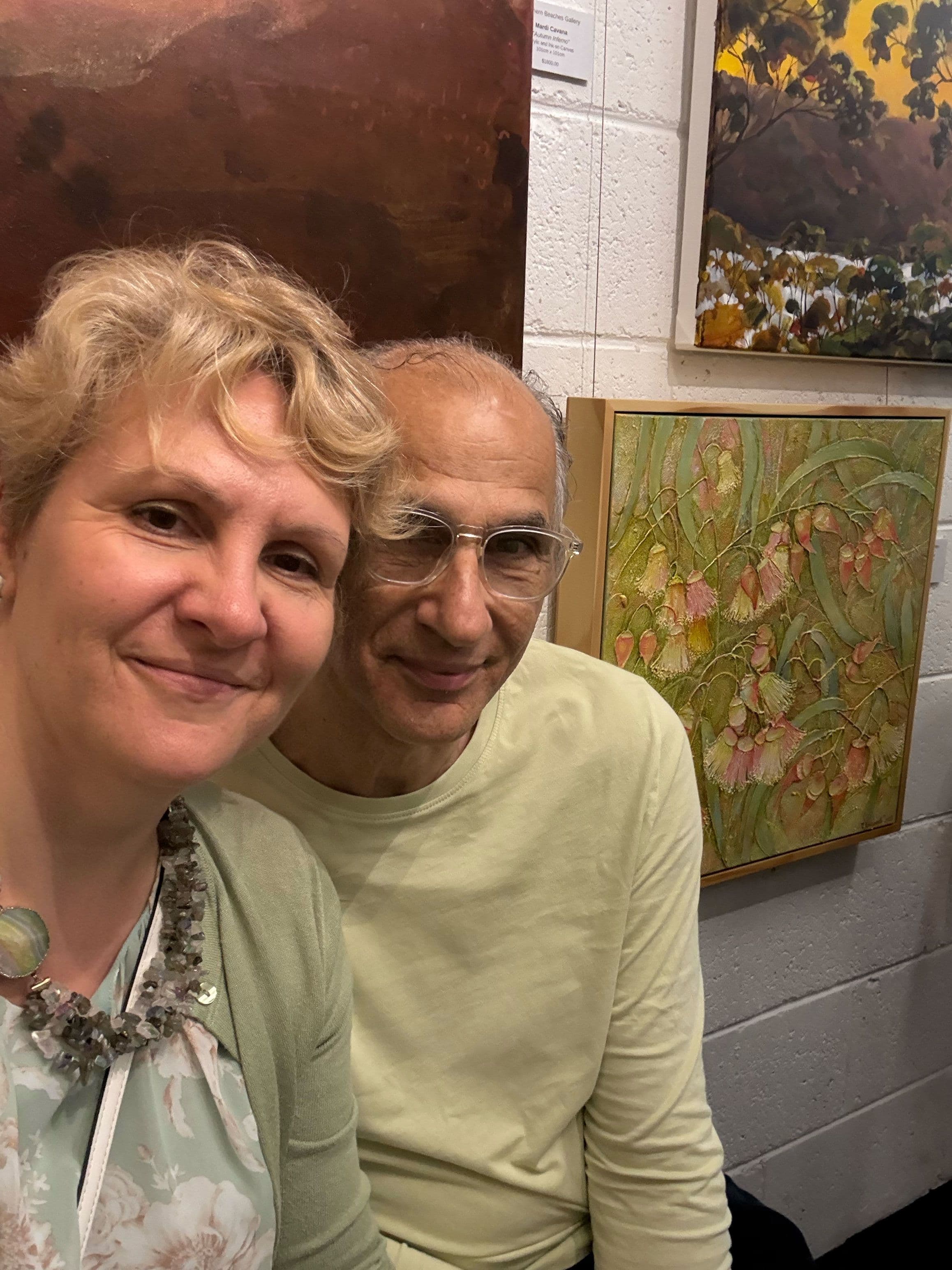
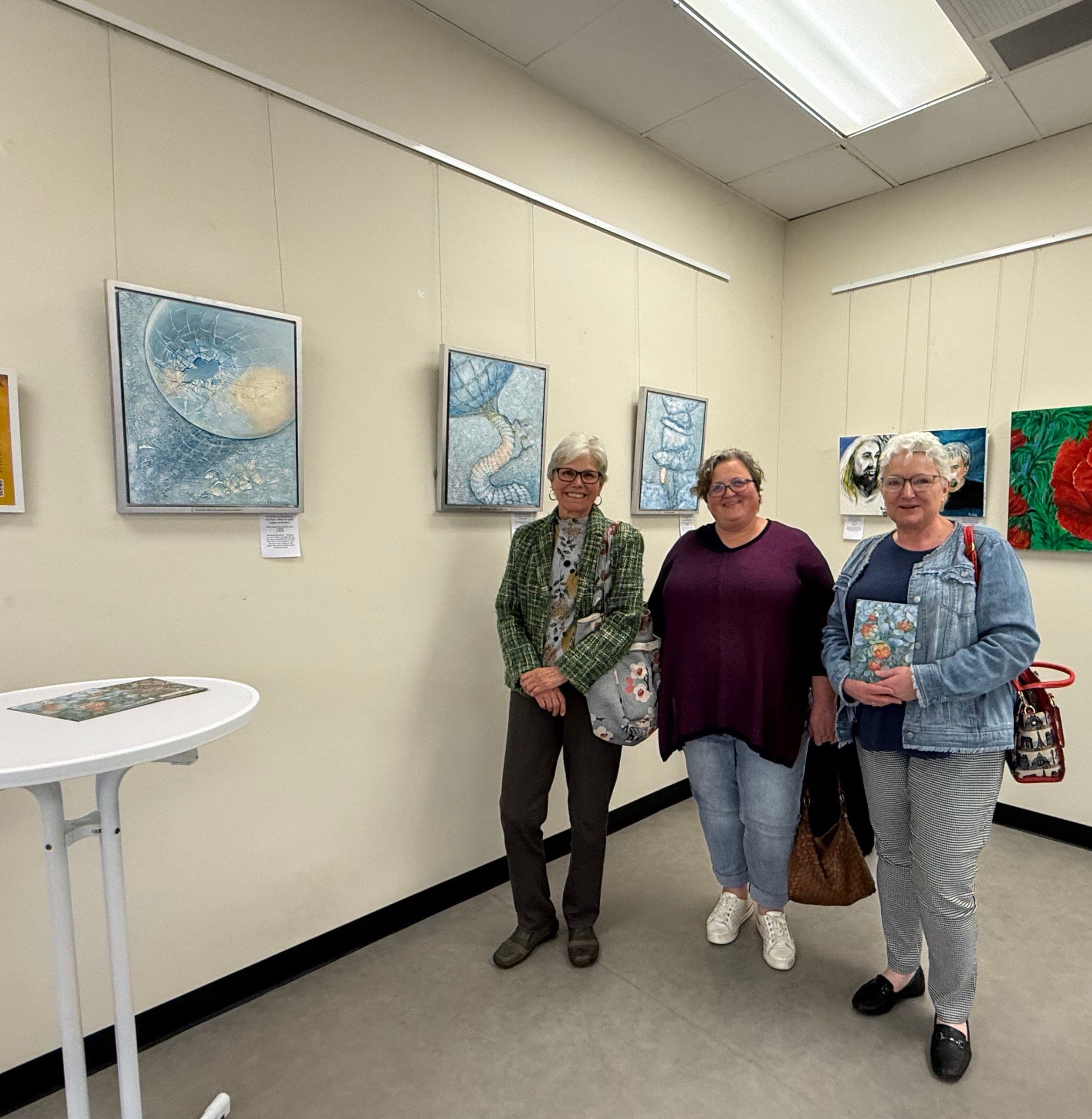
Over the past months, I’ve been honoured to be selected as a finalist in several exhibitions across Australia. Being part of the evolving art mosaic in Sydney and beyond is something I truly value.
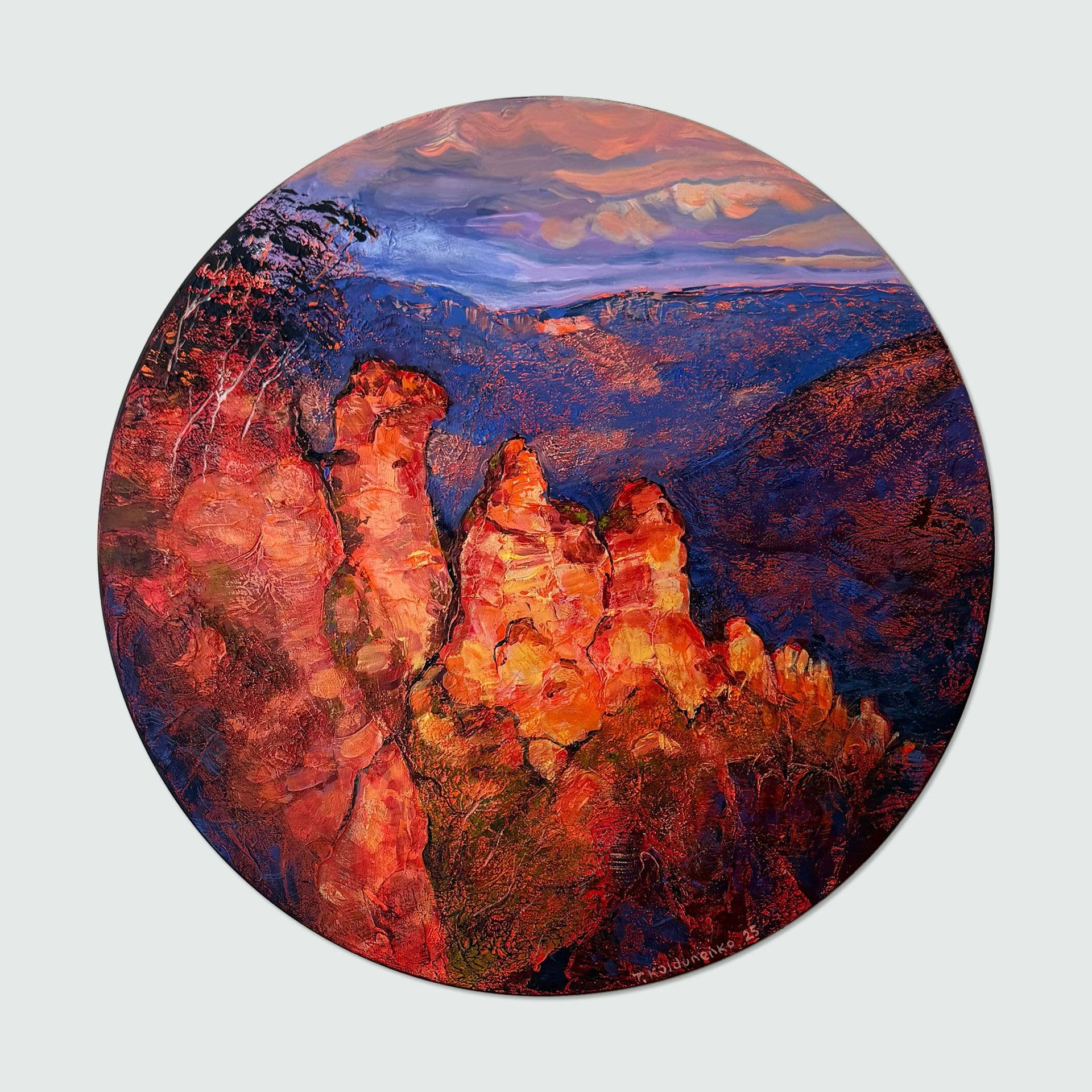
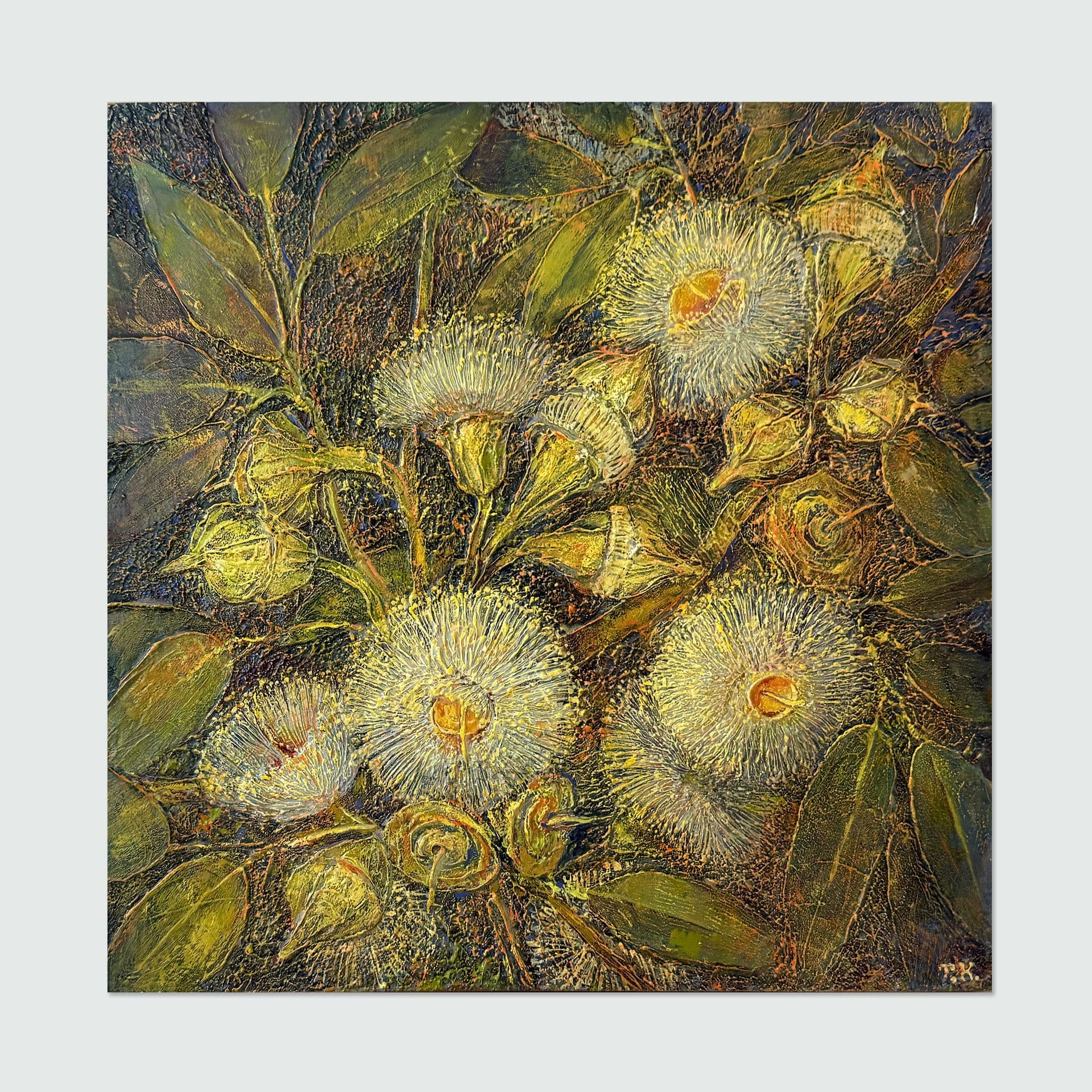
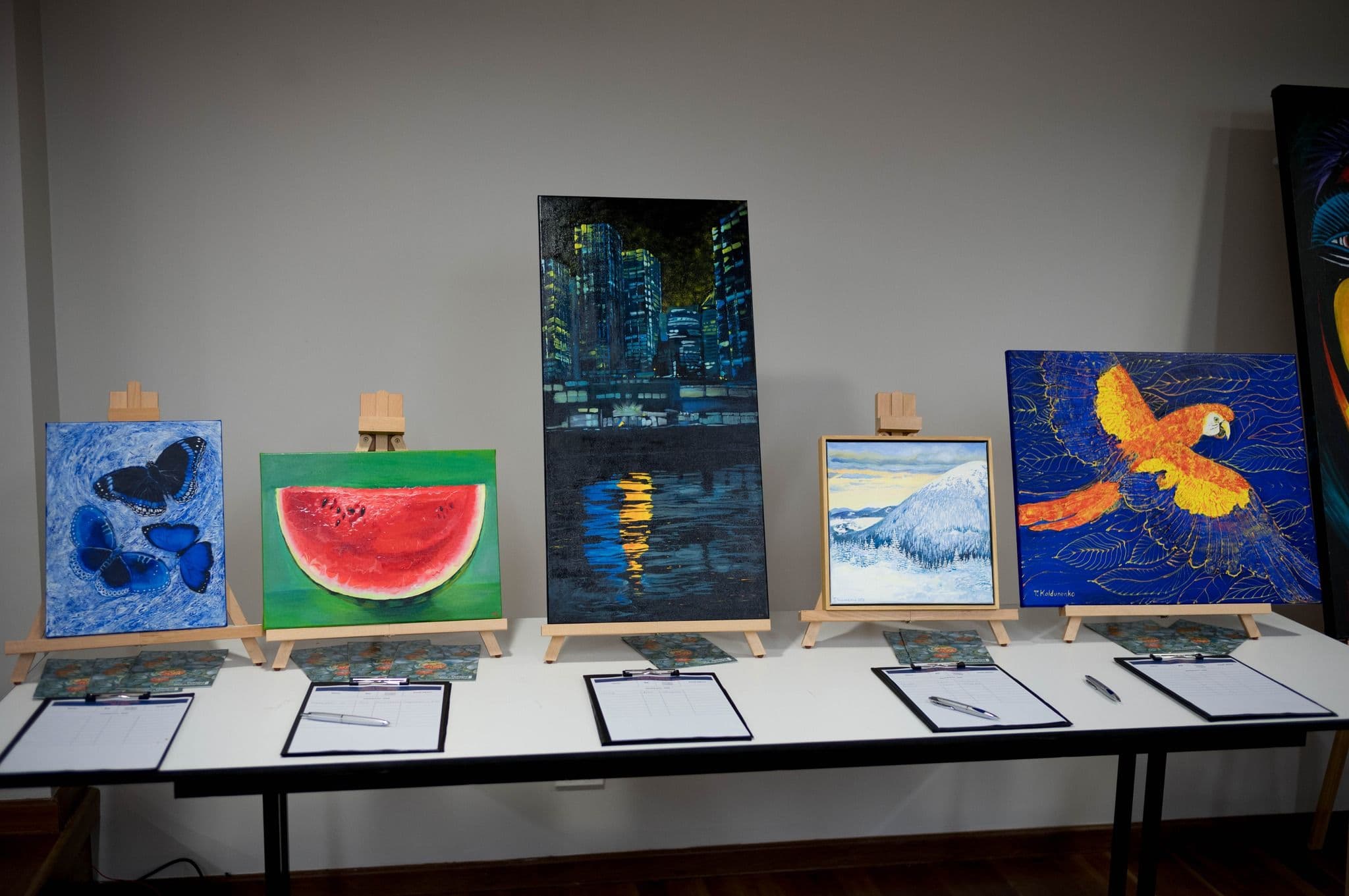
In October, my work was shown at Gallery 11:11, followed by Bridges to Belonging in Adelaide in November — an exhibition that explored connection, identity, and shared stories.
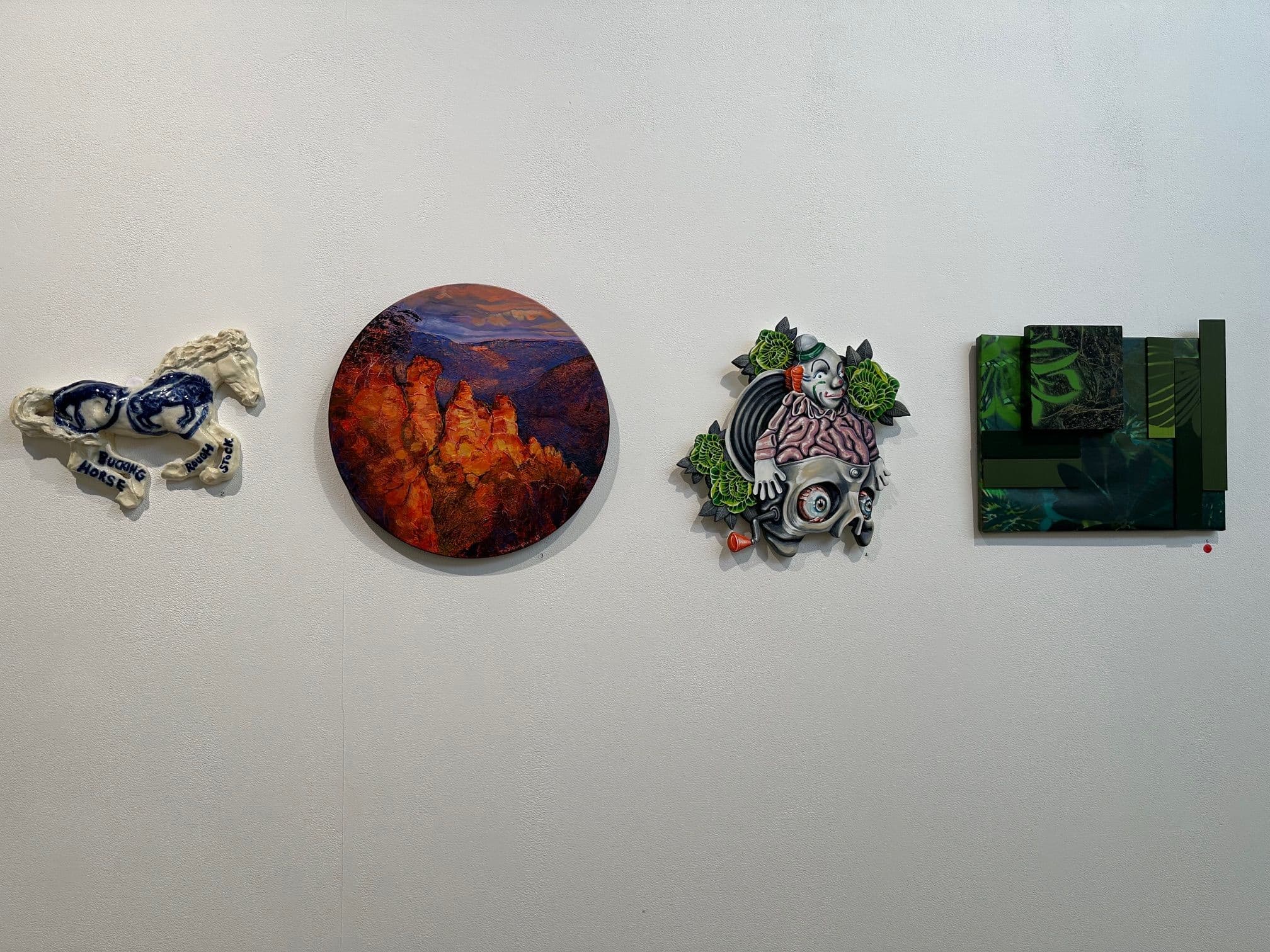
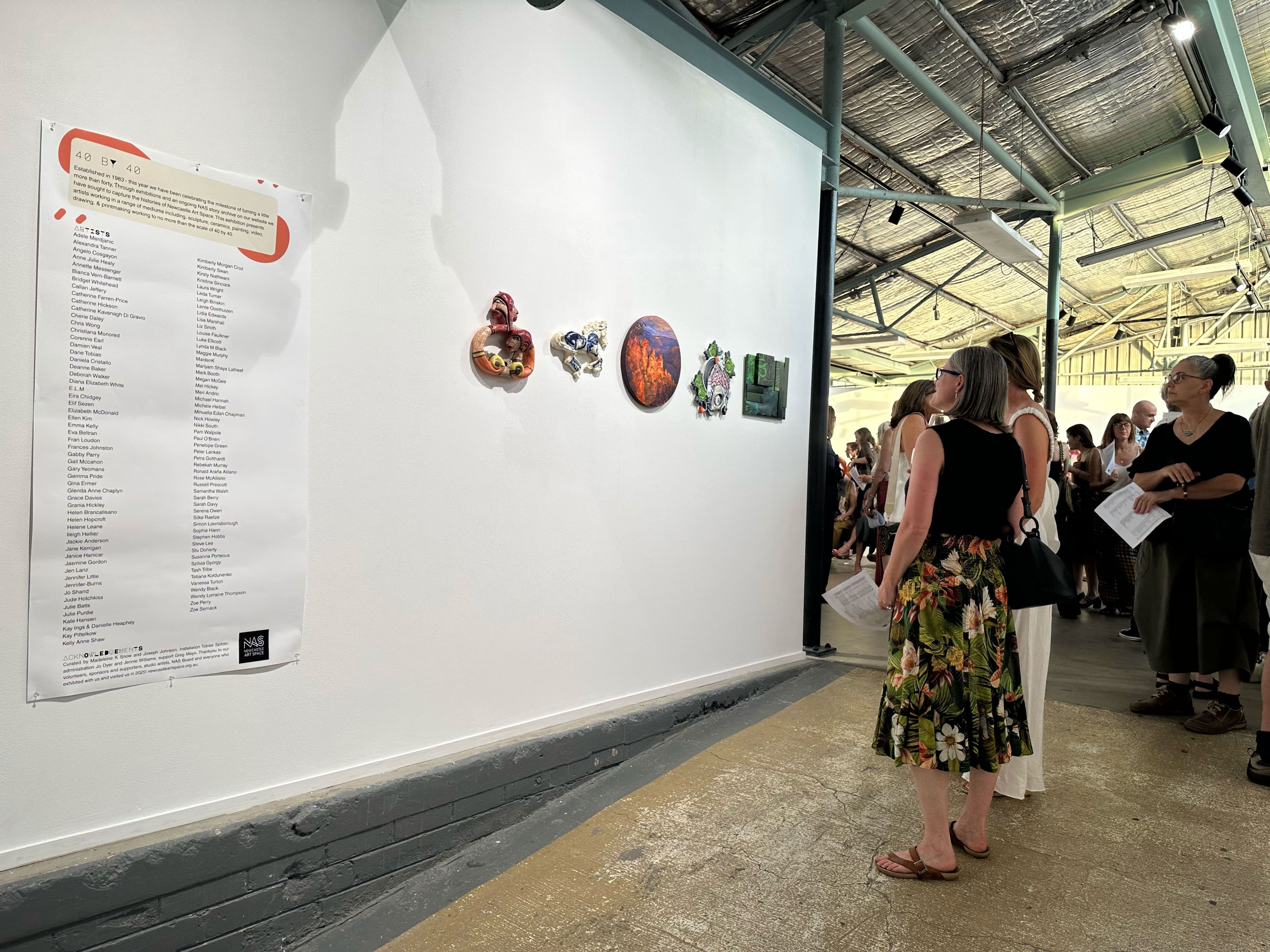
December brought another exciting milestone: I was delighted to be a finalist in the 40 by 40 Exhibition at Newcastle Art Space 🎉
This exhibition celebrates over forty years of a vibrant creative community and showcases artworks measuring 40 × 40 cm — a reminder that great art can come in small packages. The exhibition ran in early December 2025.
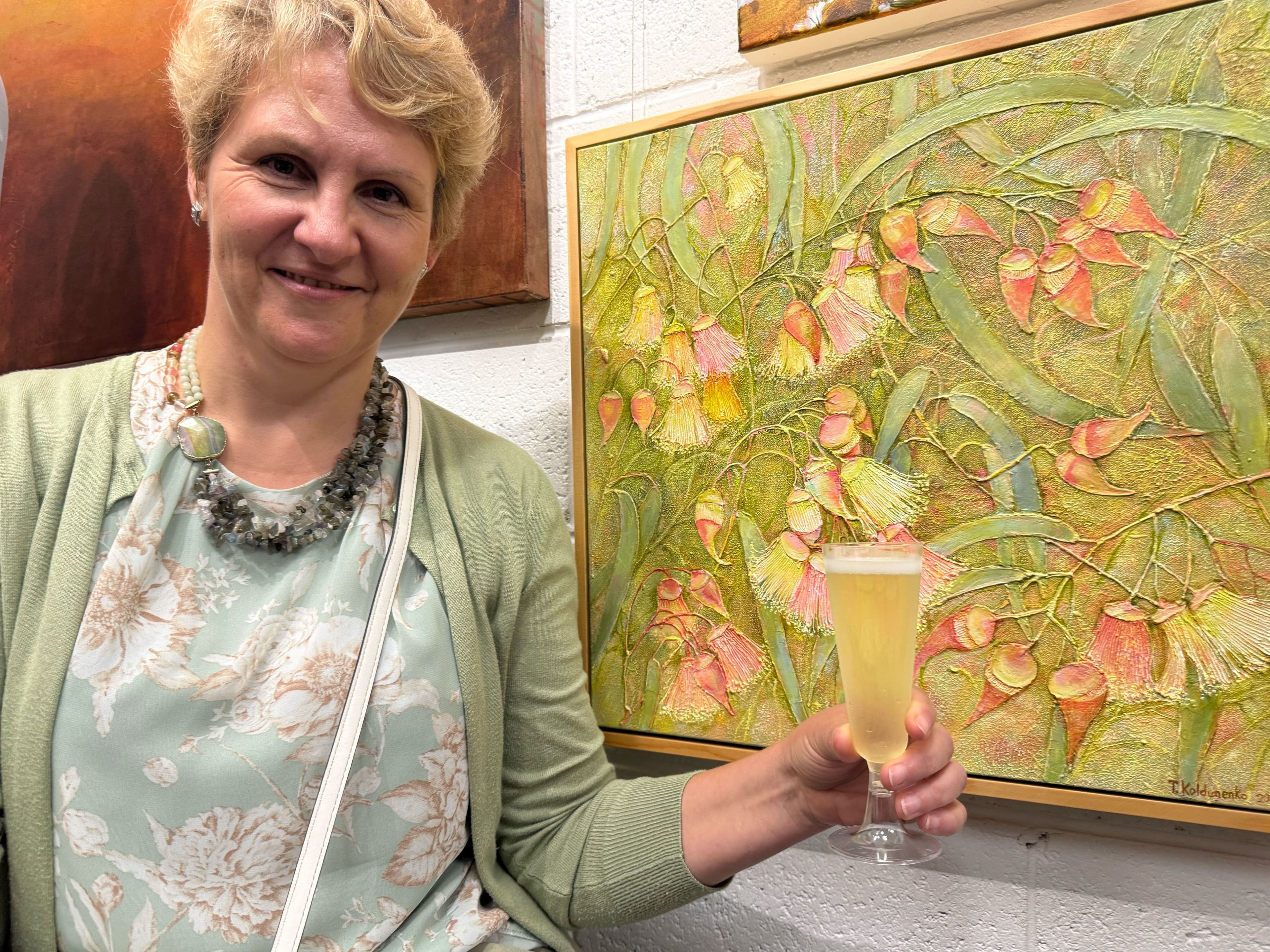
Also in December, I was selected to participate in The Summer Prize Exhibition at Northern Beaches Gallery, an exhibition absolutely worth visiting with many outstanding works on display. Among them was my painting Jingymia mallee — Eucalyptus synandra, shown in late December.
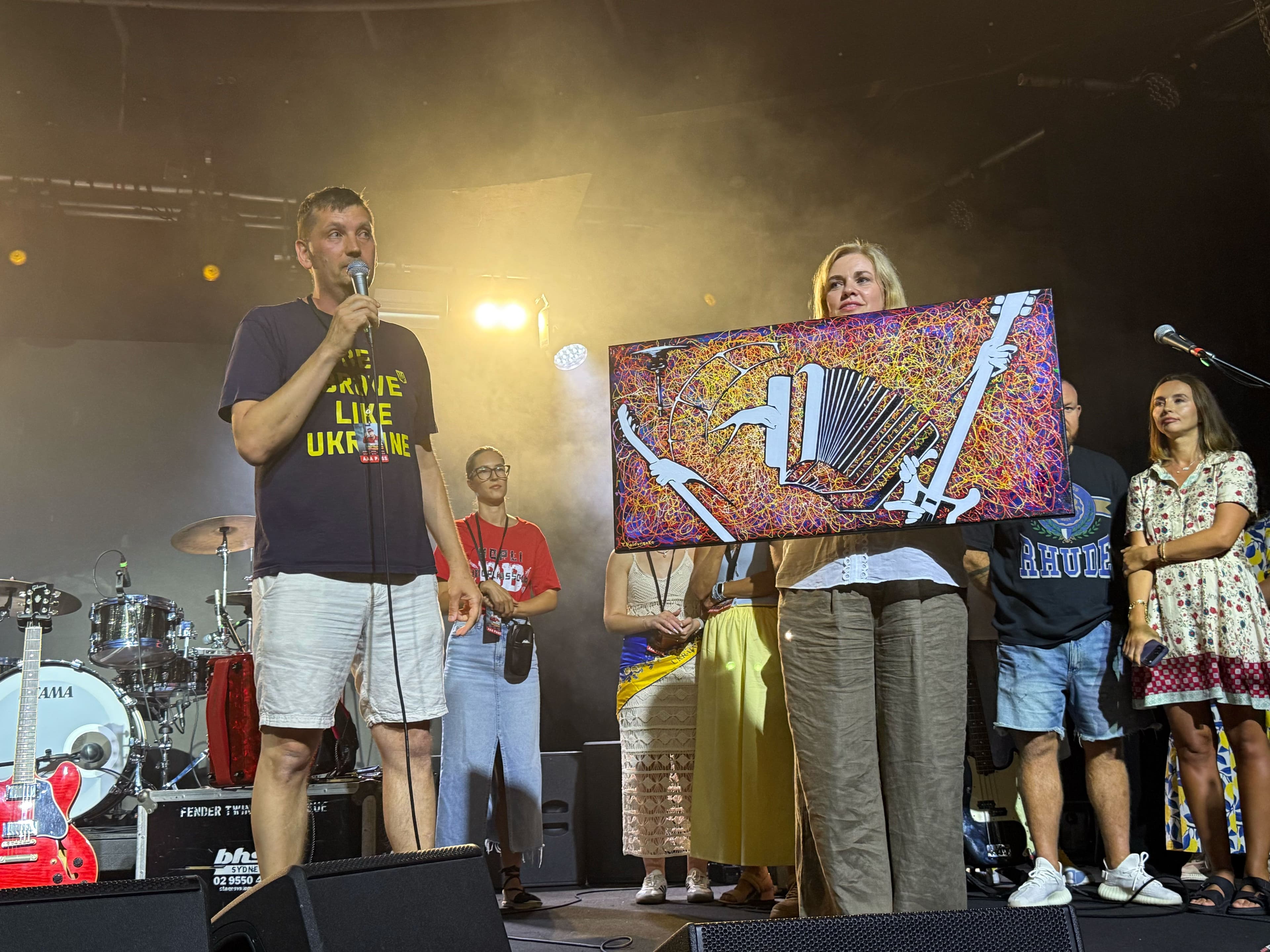
Another memorable moment from this period was seeing one of my artworks sold at auction directly from the concert stage — a powerful reminder of how art can live and breathe beyond gallery walls.
Currently, my work Nocturne for Large-Fruited Mallee is on display at:
Brunswick Street Gallery, Melbourne
Small Works Art Prize Exhibition
4–17 January 2026
This exhibition holds a special place for me — I’ve been taking part in it since 2011. If you’re in Melbourne this January, don’t miss it.
And there’s more to come — stay tuned.
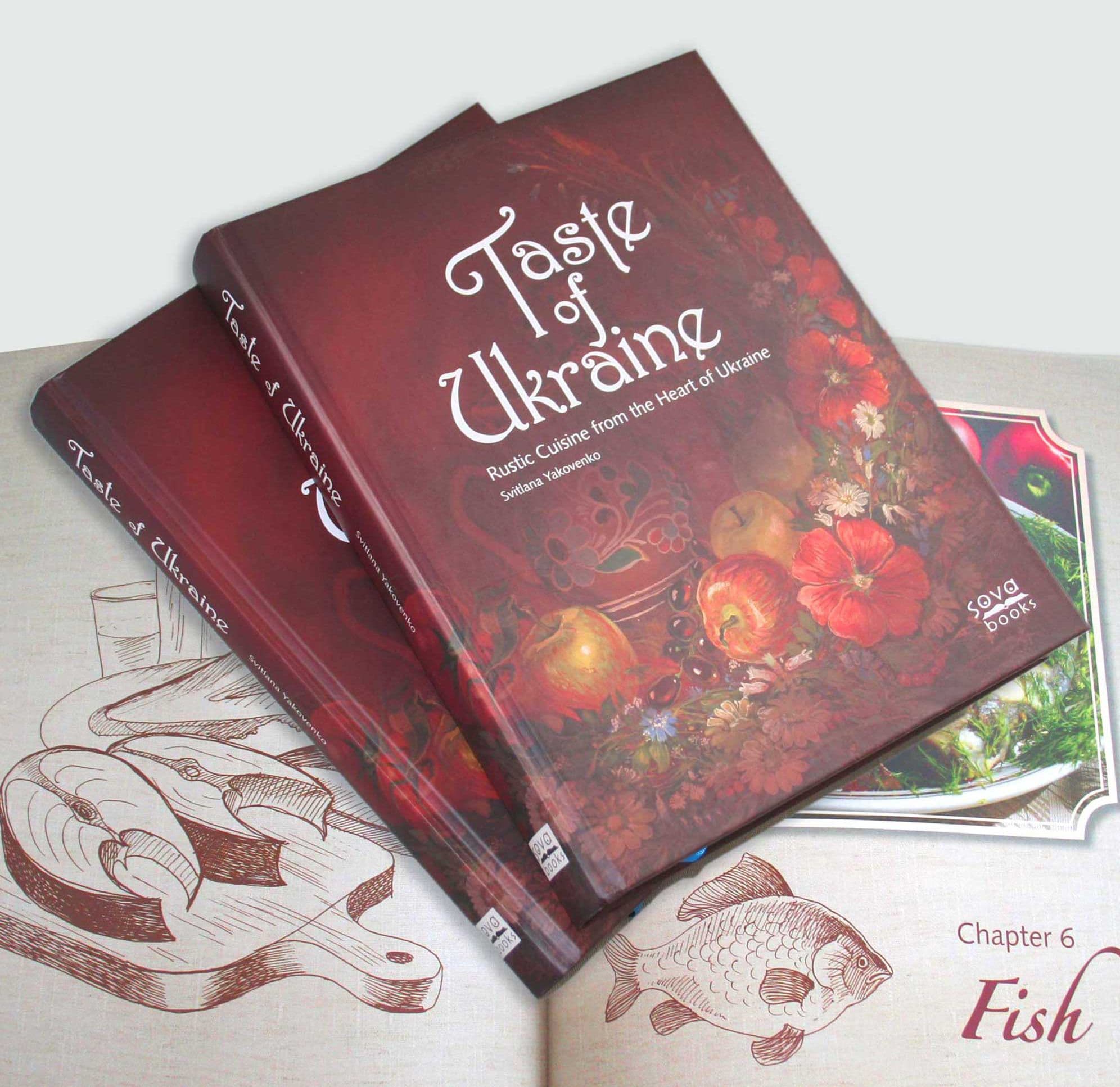
Books have always felt magical to me. Unlike social media, they don’t disappear into a feed — they stay in your hands, on your shelf, and in your life. A book captures what’s important and preserves it for generations. And to make that experience meaningful, every detail matters. Over the years, I’ve worked on many publications — sometimes creating the layout, other times designing covers, illustrations, or managing the entire visual direction. One of my favourite projects was Taste of Ukraine, published by the Australian Publishing Company (sovabooks.com.au). I created the cover illustrations and the full layout — and the book went on to win the 2013 Gourmand World Cookbook Award. I’ve also worked with community organisations, including Ukrainians Down Under for AFUO, where I served as both editor and designer for their catalogue. Four Jubilee Book for Intersession of Holy Virgin Parish is one of the thickest and most comprehensive publication I’ve worked on to date. Each book is its own world — structured, tactile, permanent. And I love shaping those worlds so they’re clear, beautiful, and built to last.
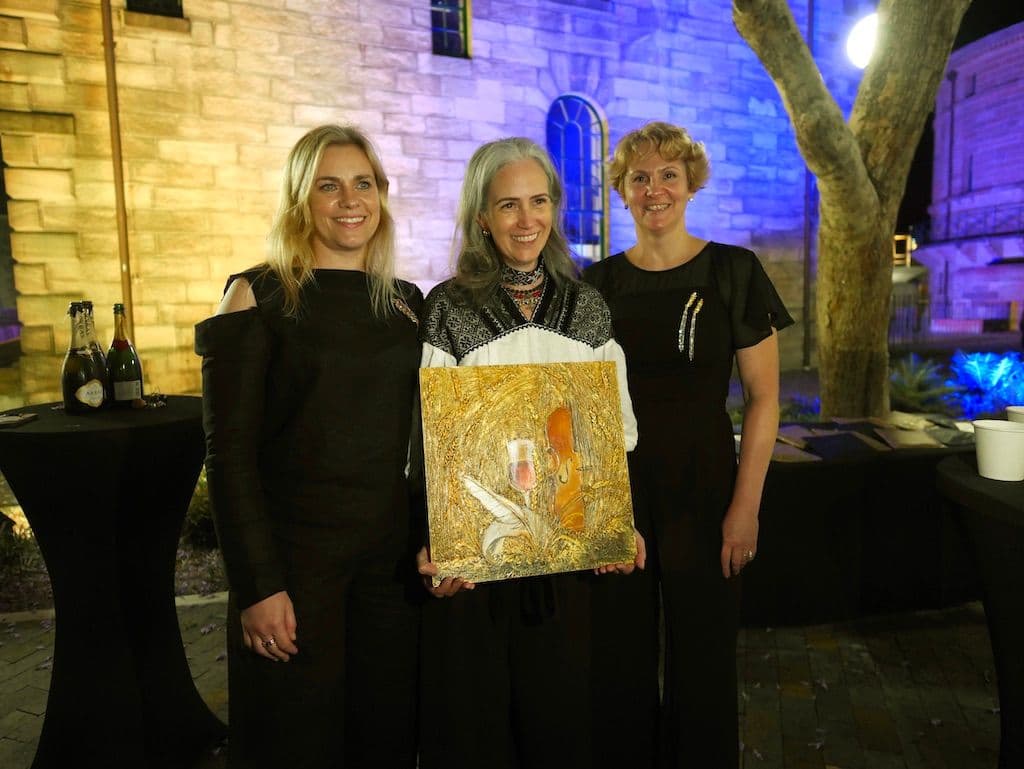
Being part of the Heartlands multimedia performance at Cell Block Theatre, Sydney, was a true privilege and an honour. It was a project driven by an incredibly motivated and generous team — a real dream team — and the result was powerful. A person, who came up with the idea of this unique event never held in Sydney before, creative director and producer of Heartlands – Linda Gough. For this performance, I created the artwork of a golden wheat field rising from black soil. Ukraine is often called the breadbasket of Europe, and its fertile land has long nourished not only grain, but literature, music, and cultural memory. This image became the visual heart of the event, reflecting both abundance and endurance. Heartlands offered audiences a deep experience of Ukrainian culture through poetry, music, storytelling, food, and shared presence. To my knowledge, it was the most substantial Ukrainian literary performance ever staged in the Southern Hemisphere, and I am proud to have supported it. My role extended across the full visual identity of the event. I created the key artwork used throughout all materials, designed print collateral including posters, programmes, and food signage, developed digital assets for multiple platforms, and contributed to stage design. During the performance, my artwork formed the visual backdrop on the large screen behind the performers, shaping the atmosphere of the evening.