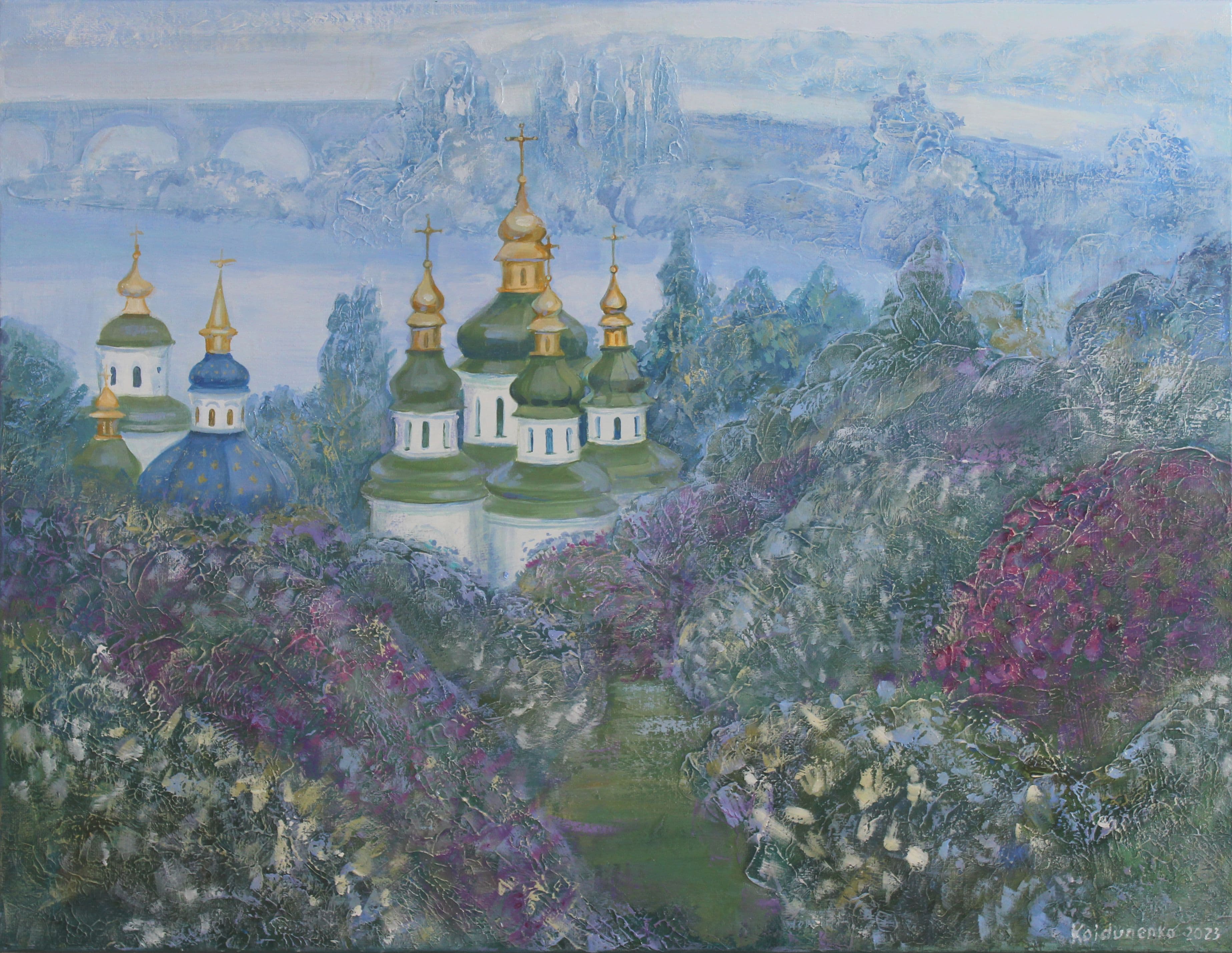
For me, as for many of my collectors, moving to Australia has been a blessed and life-changing experience. At the same time, it doesn’t erase the feeling of missing home. Memory travels with us — through seasons, colours, familiar landscapes, and small visual details that stay deeply rooted inside.
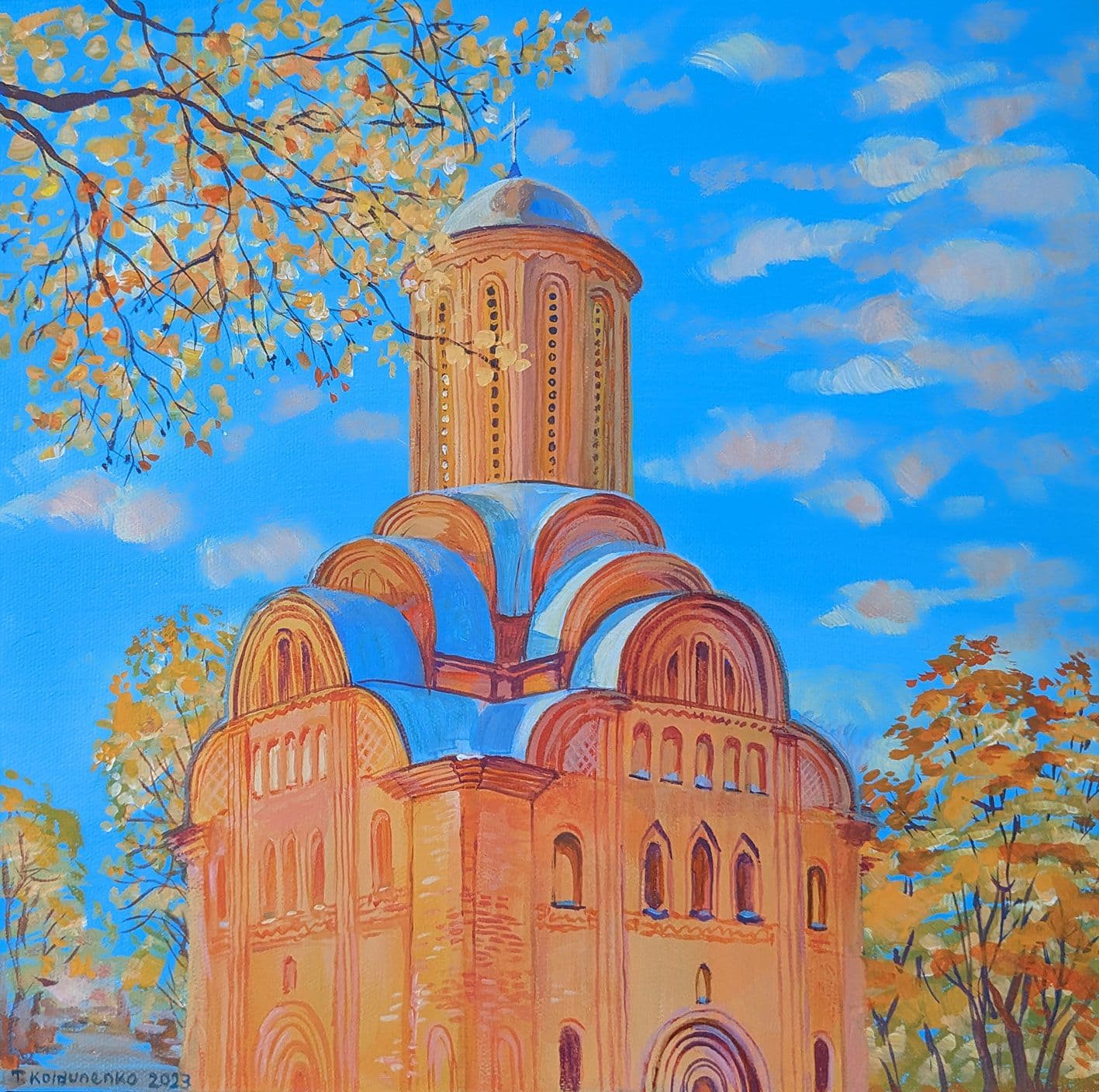
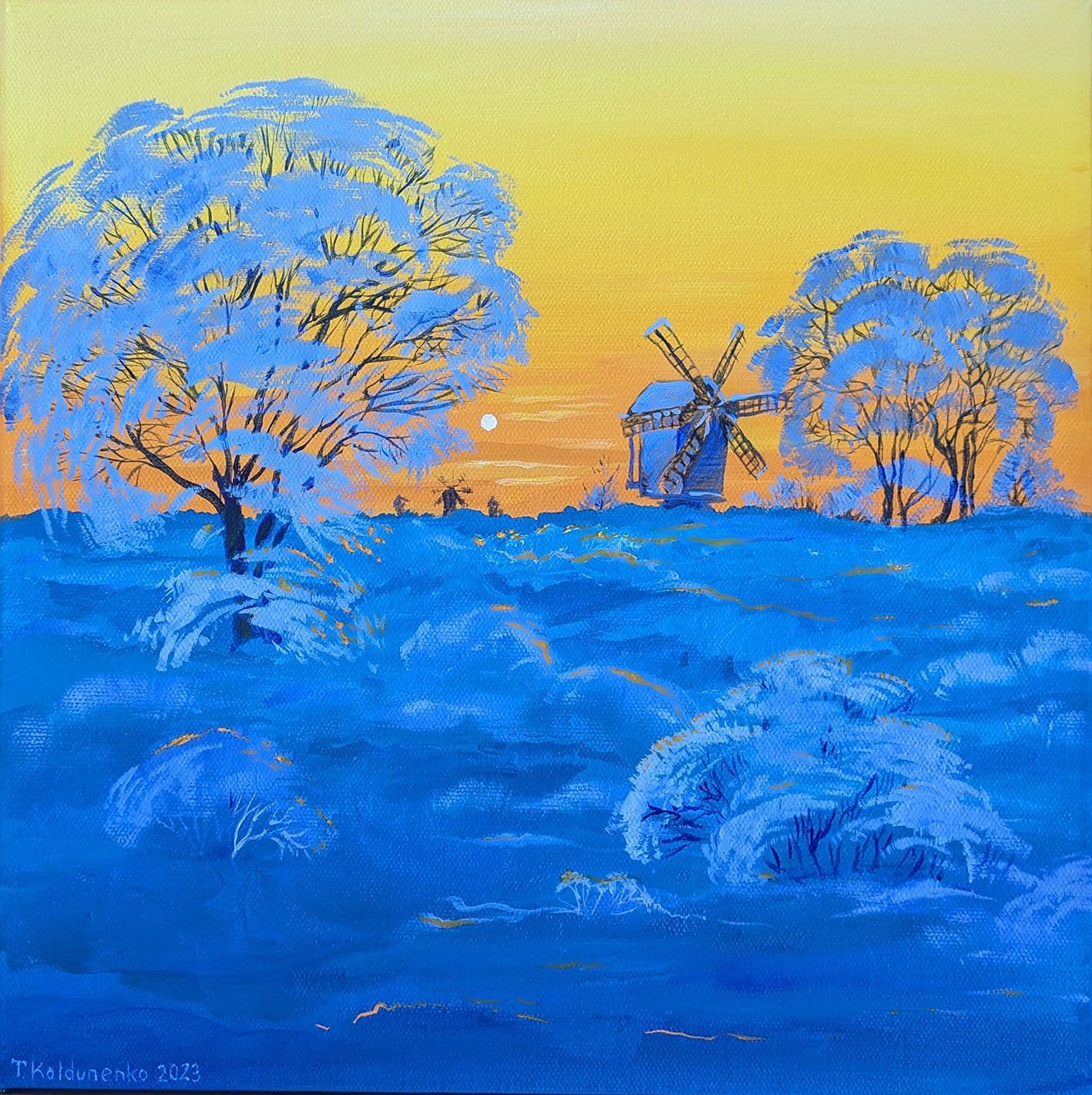
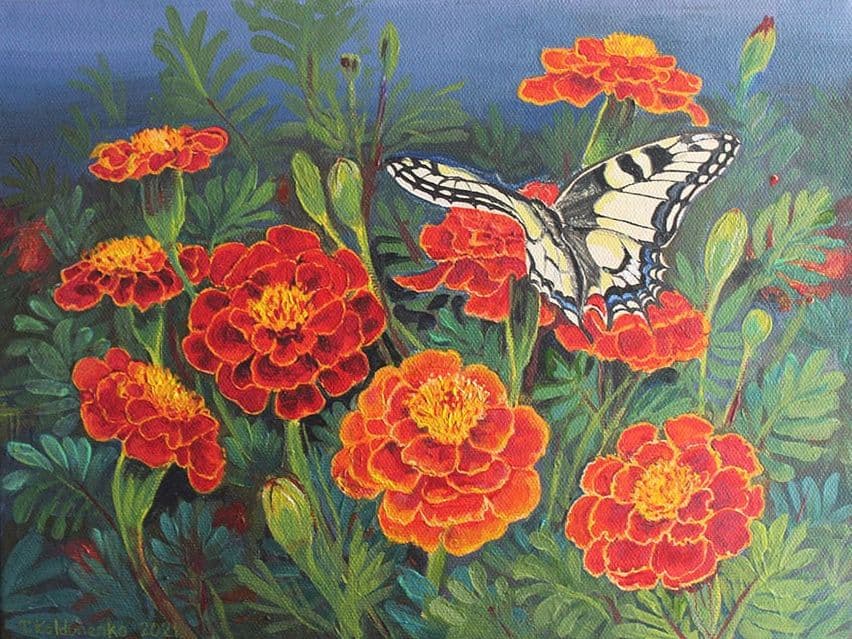
Quite often, Ukrainian collectors commission artworks that reconnect them with home. These might be flowers remembered from a childhood garden, the softness of snow, the glow of golden autumn, or the unmistakable outlines of traditional Ukrainian architecture. These subjects carry emotional weight — they speak of belonging, memory, and personal history.
I find great meaning in creating these works, because I share the same feelings. Painting nostalgic themes allows me to revisit places and atmospheres that shaped me, while offering others a visual connection to what they hold dear. The artwork becomes more than an image; it becomes a bridge between past and present, between where we come from and where we are now.
Through these commissions, nostalgia turns into something tangible — a way to honour memory, identity, and the enduring connection to home, even when life unfolds far from it.
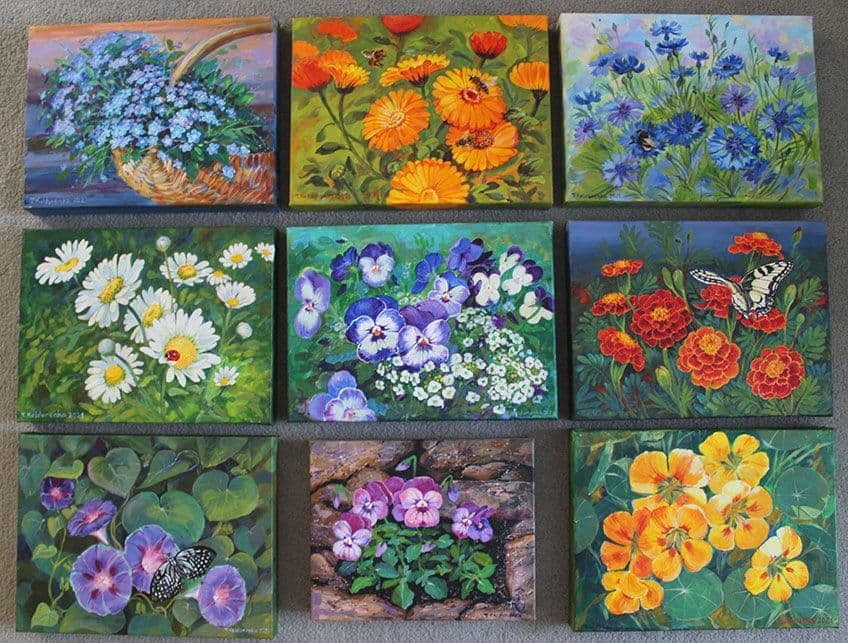
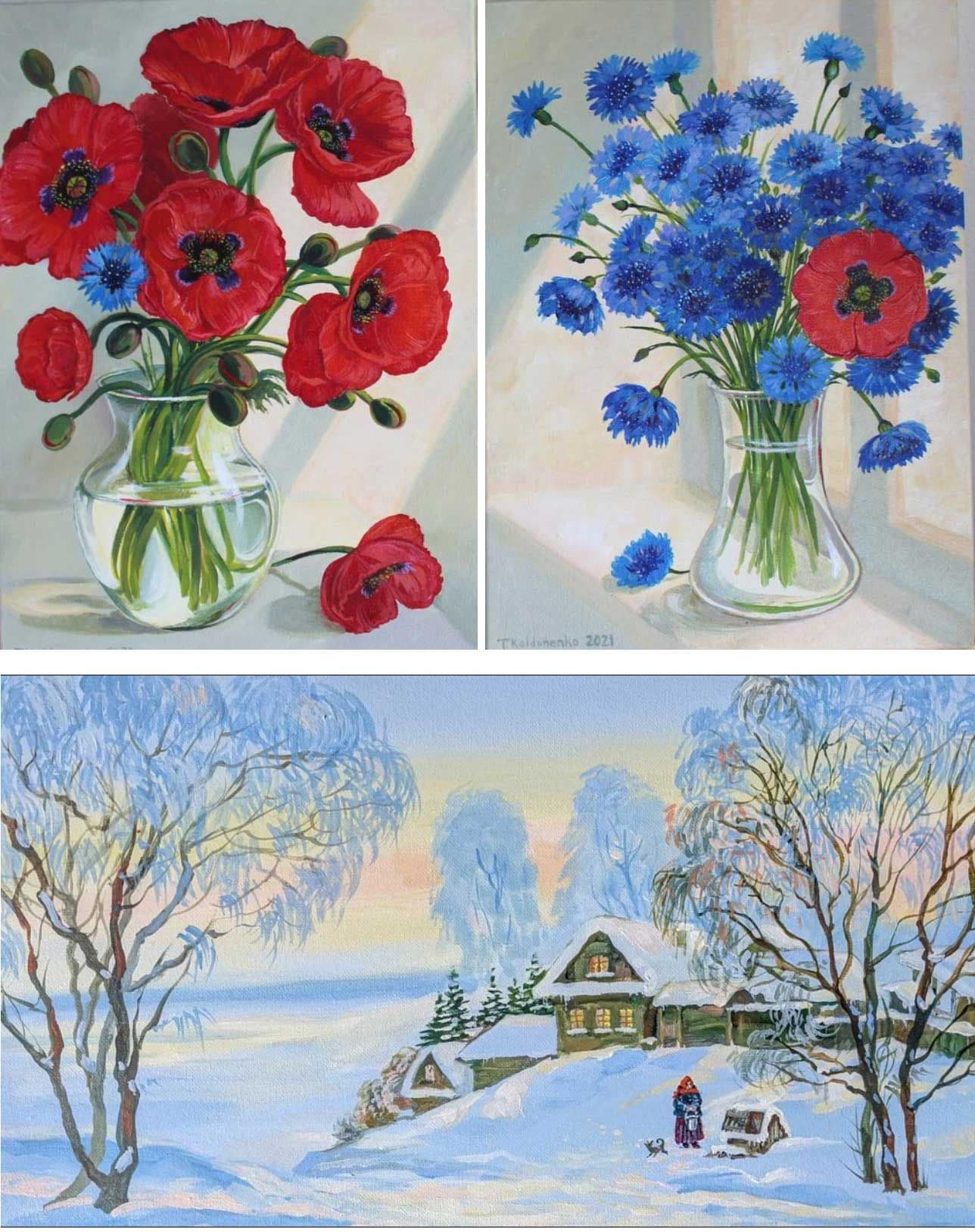
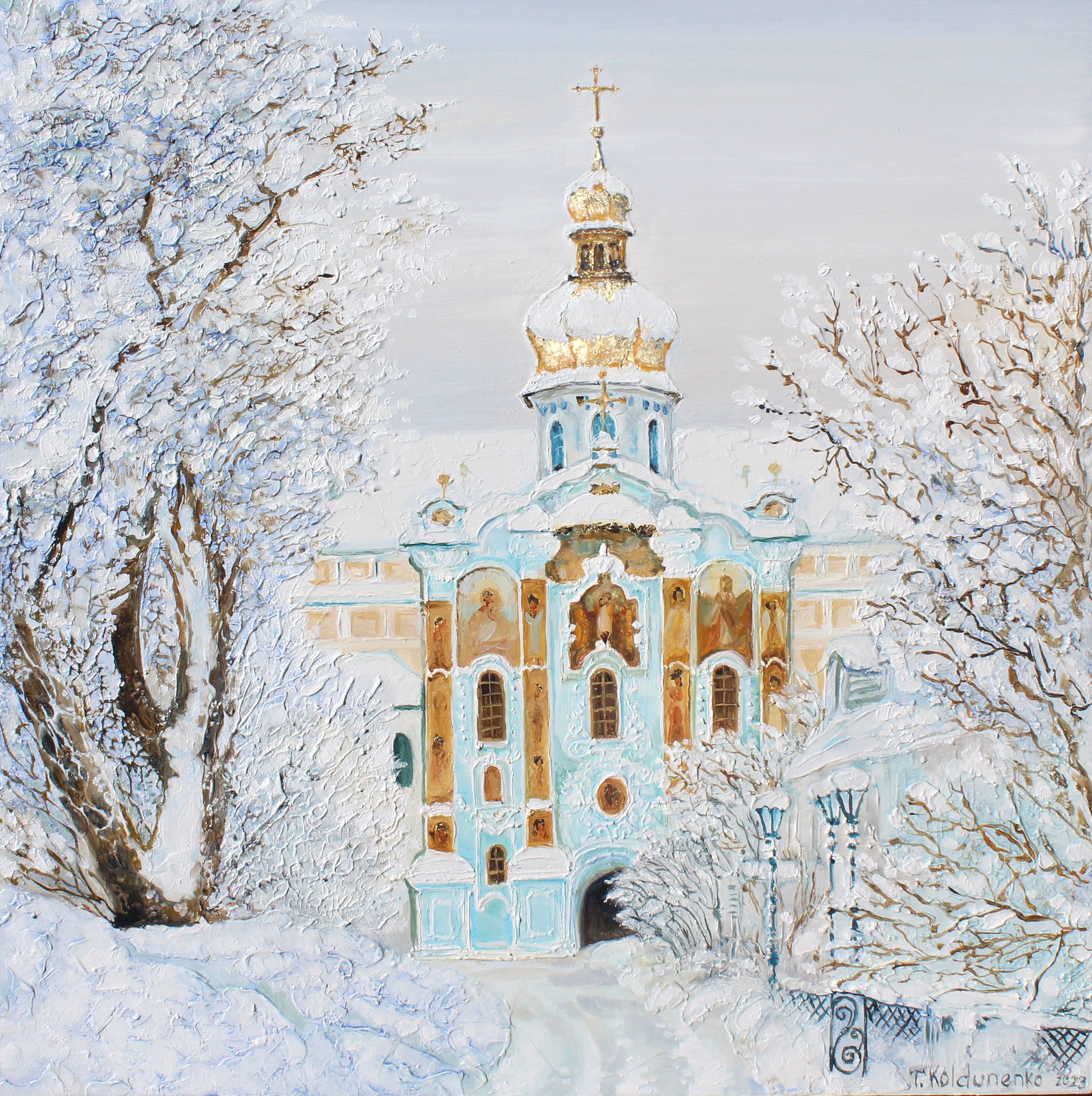
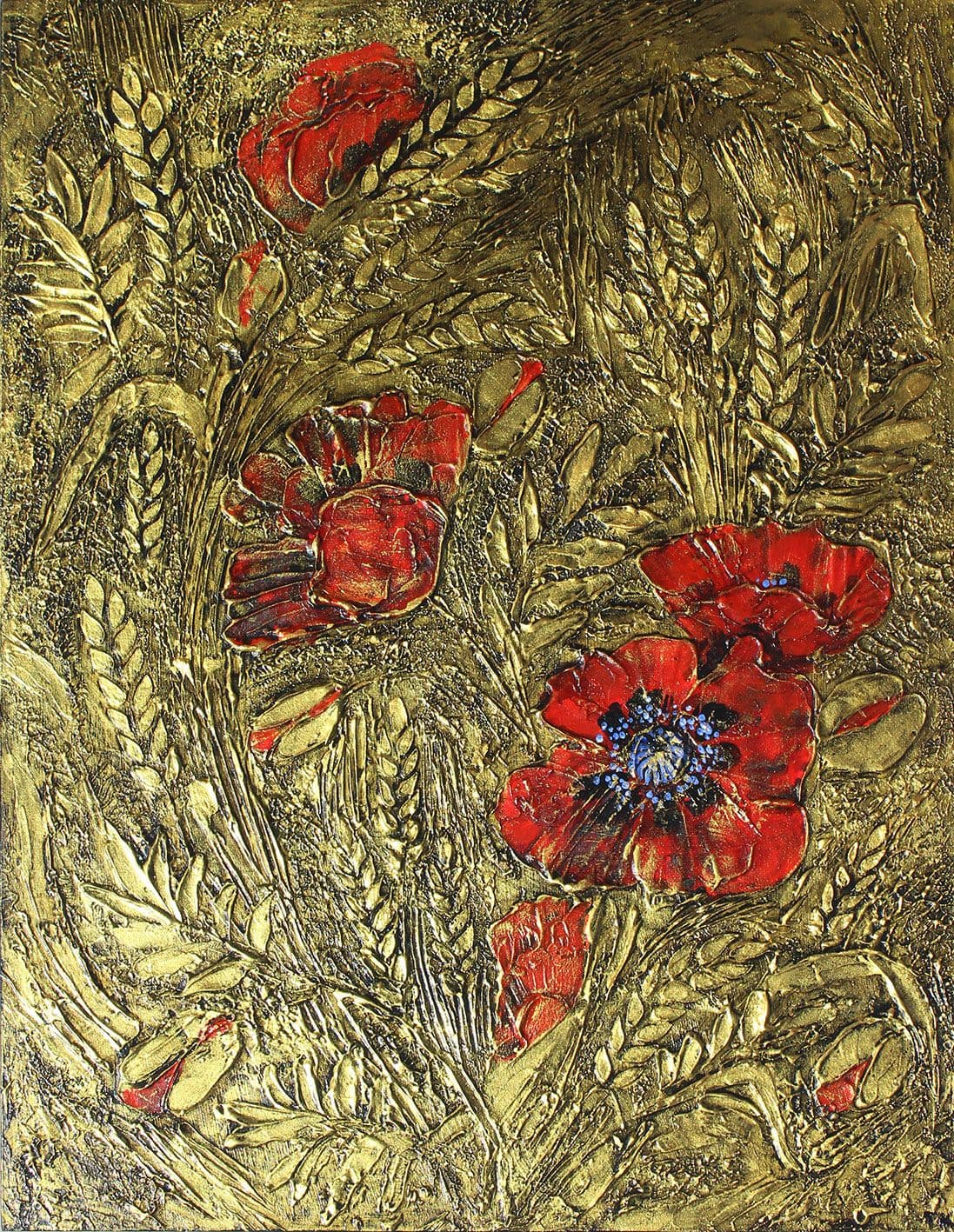
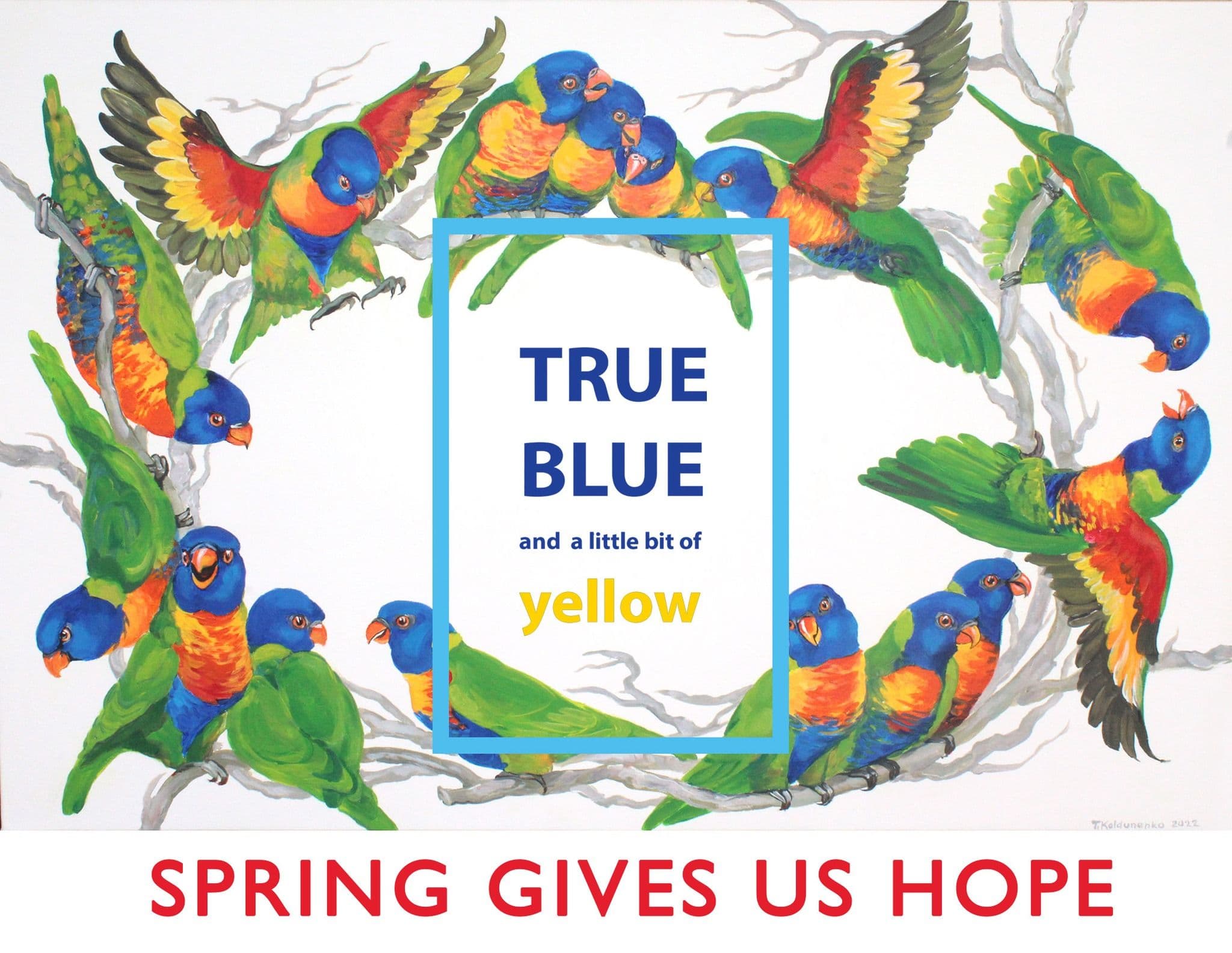
Spring Gives Us Hope was a fundraising exhibition by True Blue & a Little Bit of Yellow, held at Mona Vale Pop-Up Gallery on Sydney’s Northern Beaches from 17–28 October 2022. Unstoppable in our commitment, we continued to paint, exhibit, and raise funds to support those in need, using art as a way to respond, connect, and help. The exhibition was filled with colour and optimism — flowers, birds, and vibrant palettes came together to reflect renewal, resilience, and the emotional lift that spring brings. It was an uplifting visual response during a difficult time, offering light and hope through art. We are deeply grateful to everyone who visited, supported the exhibition, and purchased artworks. Your generosity made a real difference. Knowing that, once again, art could help support the people of Ukraine is something that continues to warm our hearts.
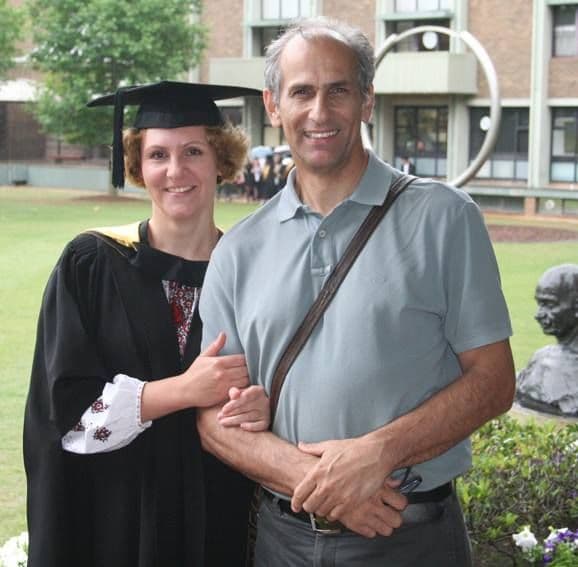
My Master of Design (Hon.) at COFA, UNSW focused on one question: How can we improve children’s engagement with printed materials to support better learning outcomes? My research shows that the more areas of the brain engaged in processing information, the stronger the memorisation and recall. I explored how to activate as many of these pathways as possible — story for narrative memory, colour for emotional response, sound and action for sensory cues, spatial awareness for orientation, and visual coding for recognition. In short: designing visuals that teach, entertain, and stay in a child’s memory. But my journey with children’s design began long before my Master’s. Over the years, I’ve illustrated several children’s books and created my own comic book about the adventures of a Ukrainian boy in Australia — writing 20 stories and drawing all of the comic illustrations myself. These projects shaped my understanding of how we see, learn, and connect with visual narratives — a foundation that continues to guide my work today.